Current Calgary infill homes for sale
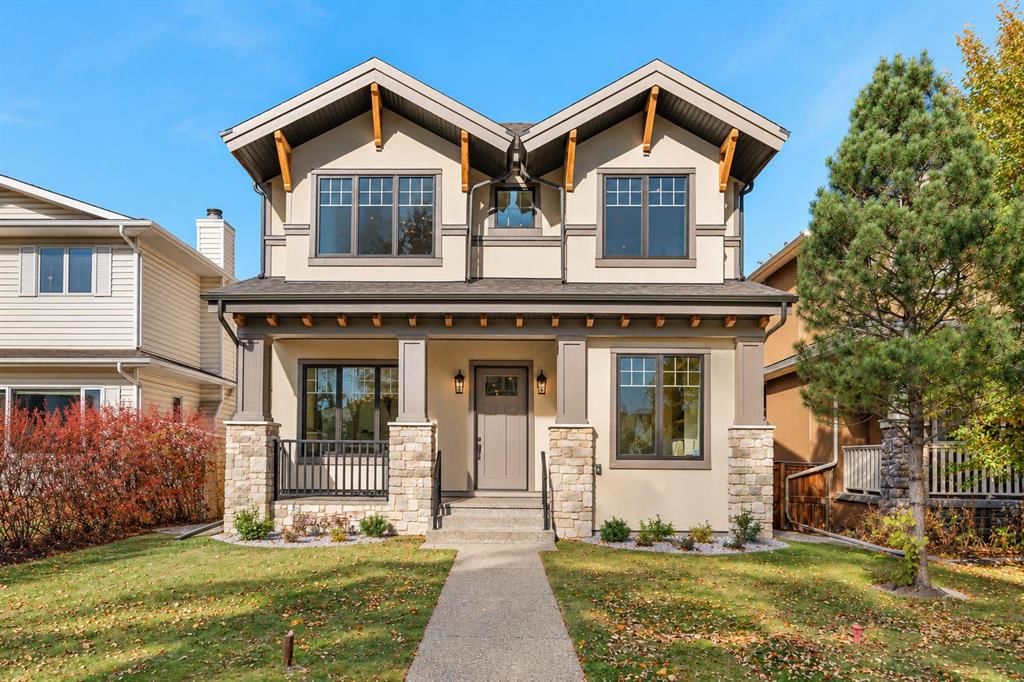 $2,199,900654 27 Avenue NW
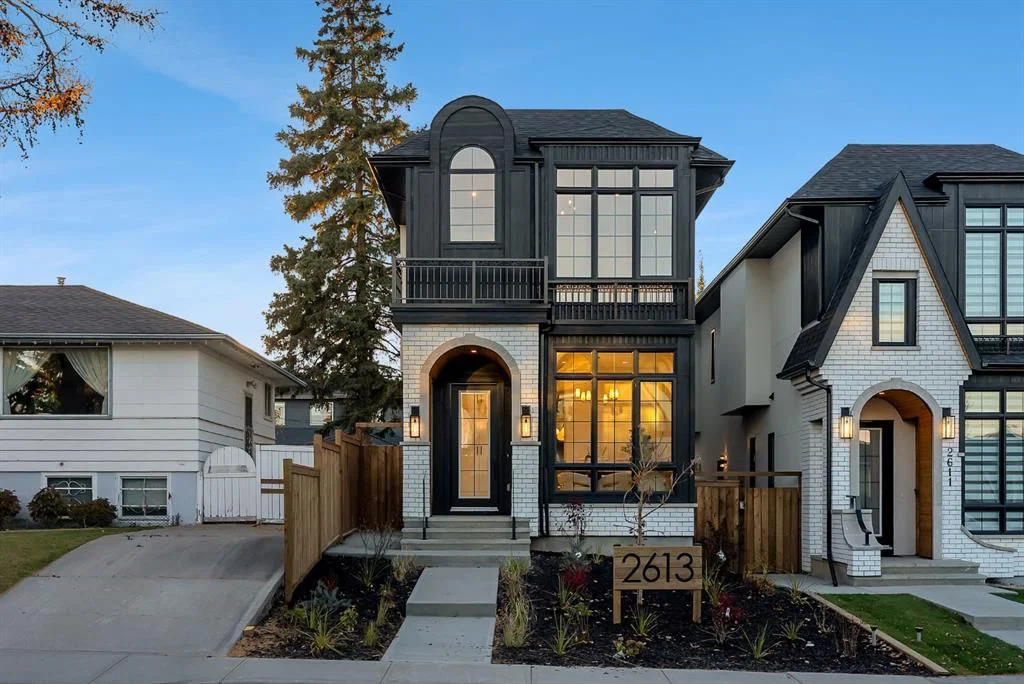 $1,399,0002613 35 Street SW
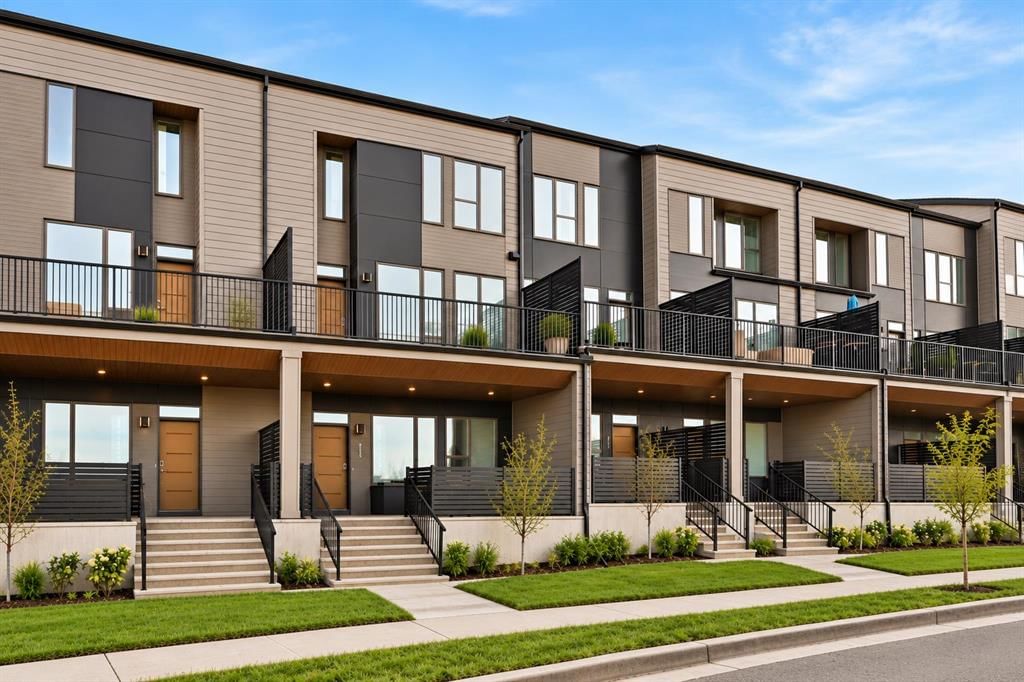 $849,900706 Sovereign Common SW
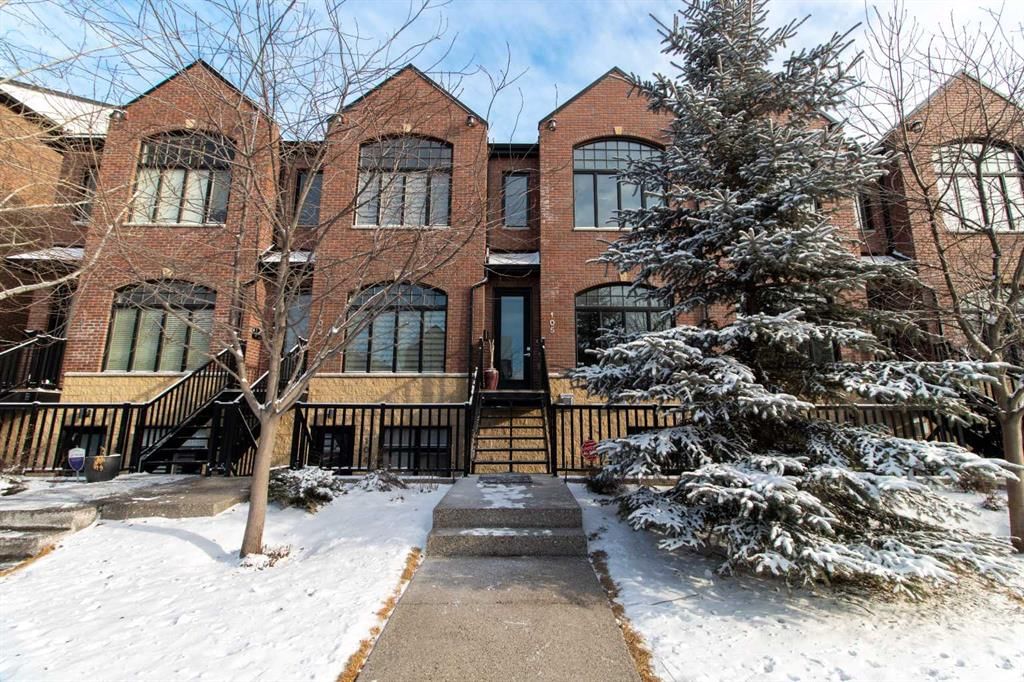 $619,000105, 2214 30 Street SW
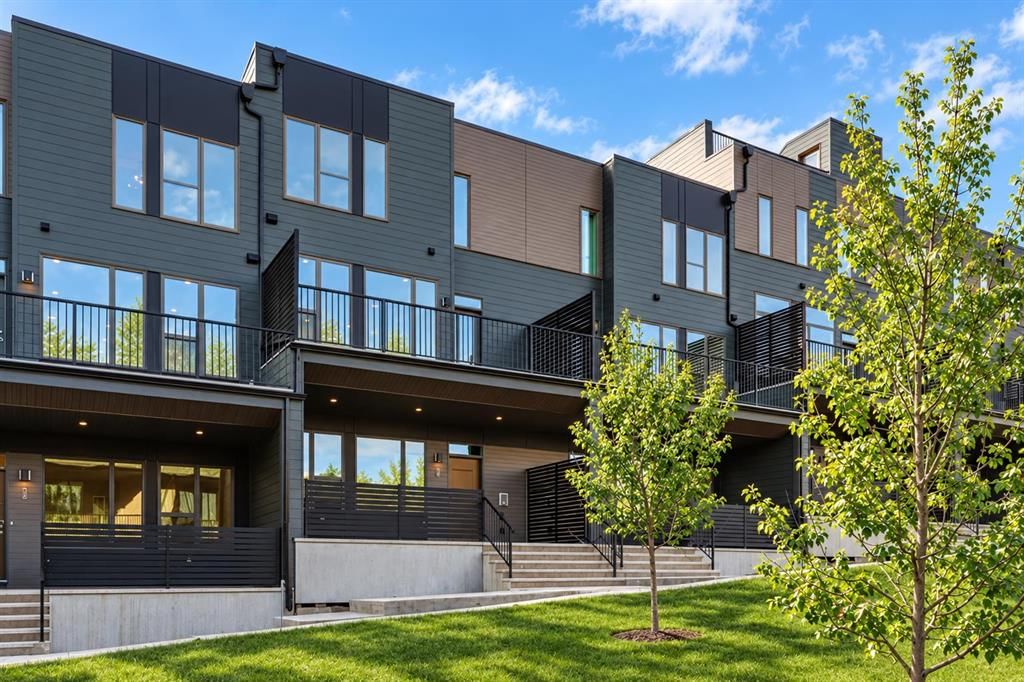 $859,900718 Sovereign Common SW
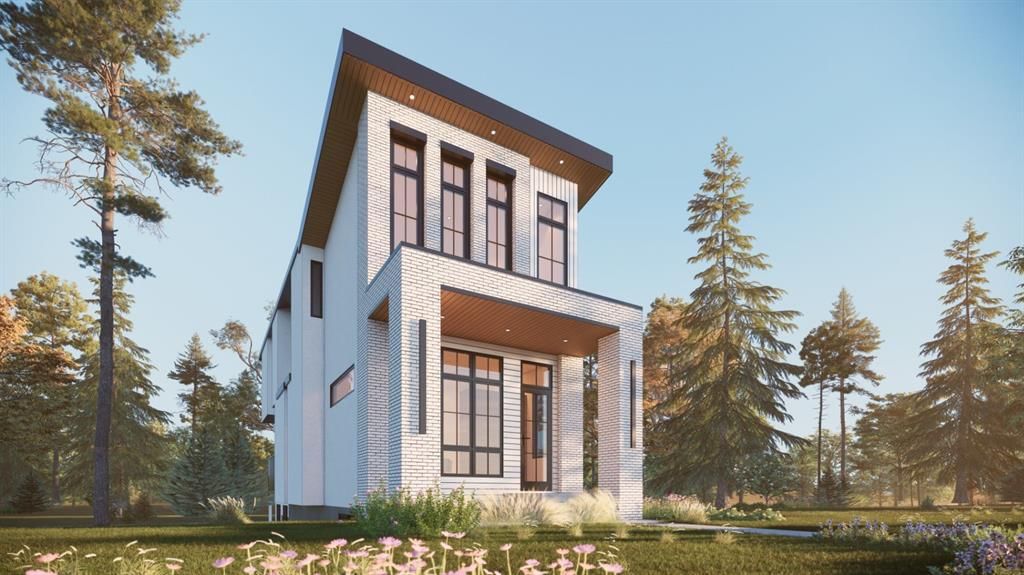 $1,450,0002236 34 Street SW
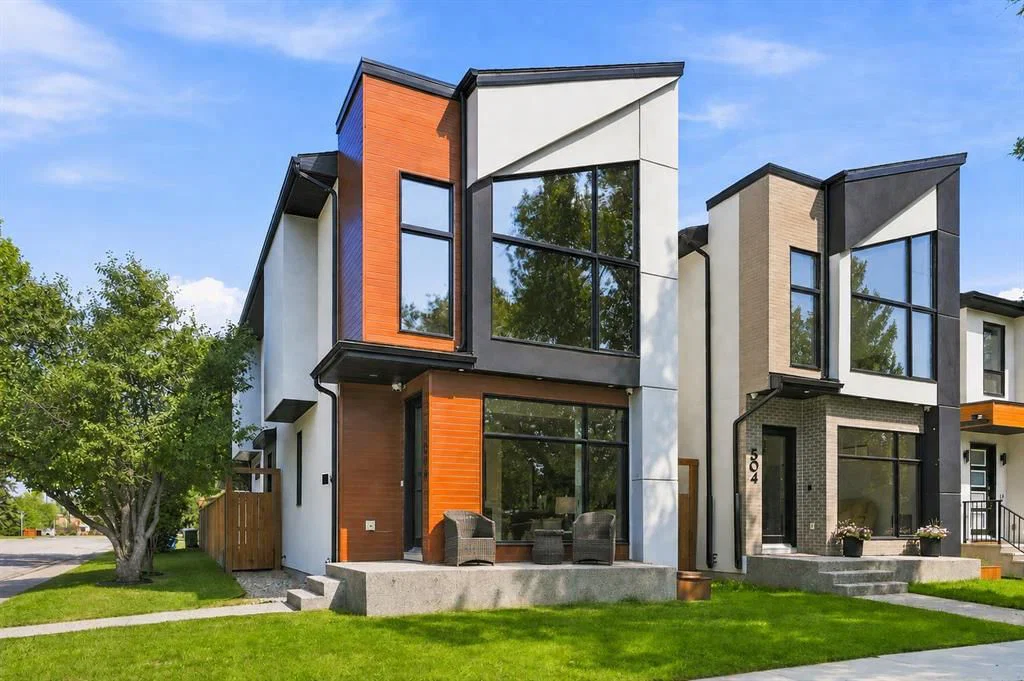 $1,249,9001504 4 Street NE
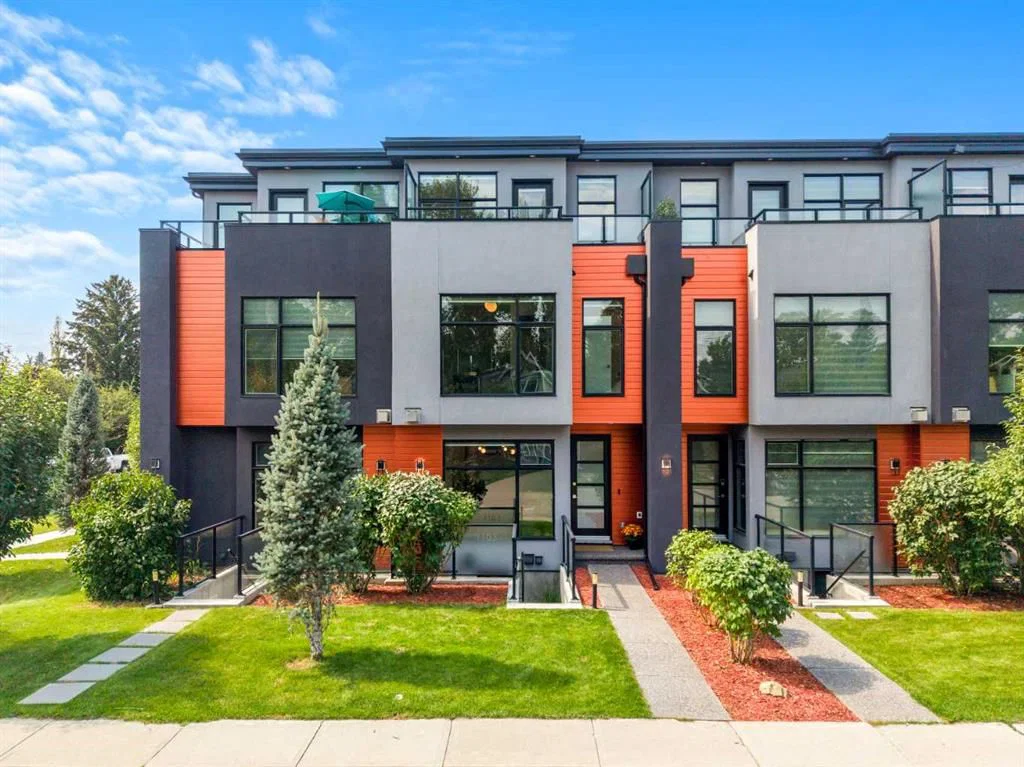 $724,9001103 4 Street NE
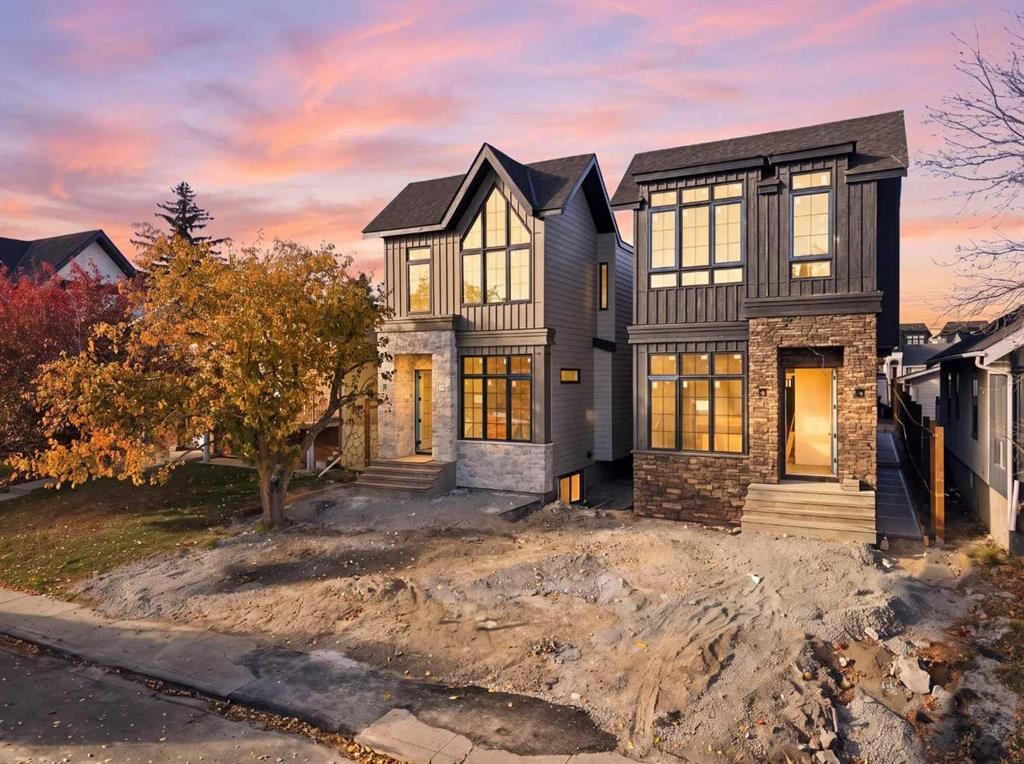 $1,339,800816 21 Avenue NW
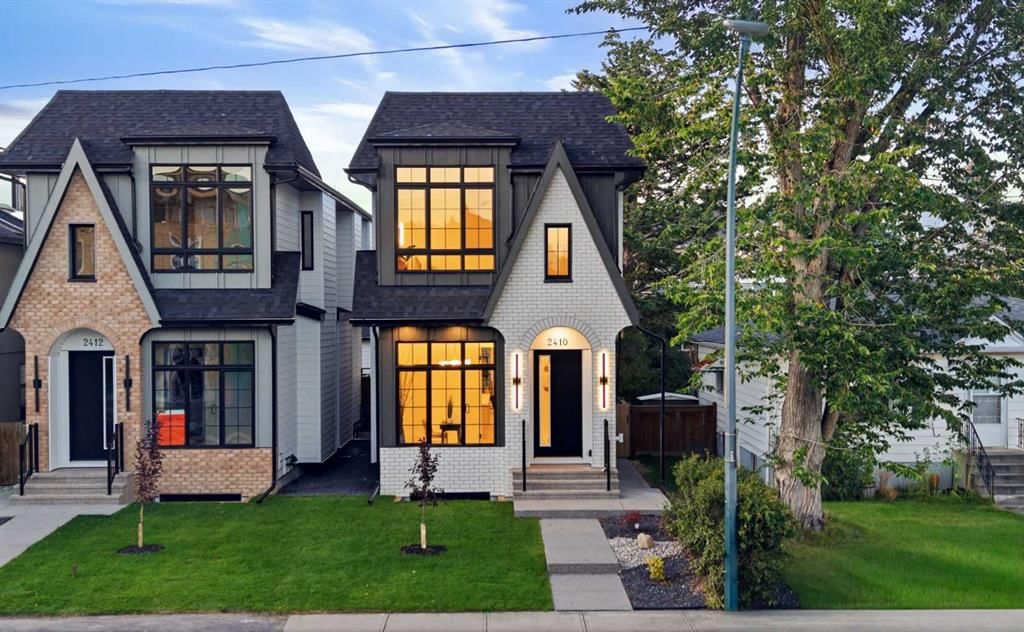 $1,474,9002412 1 Avenue NW
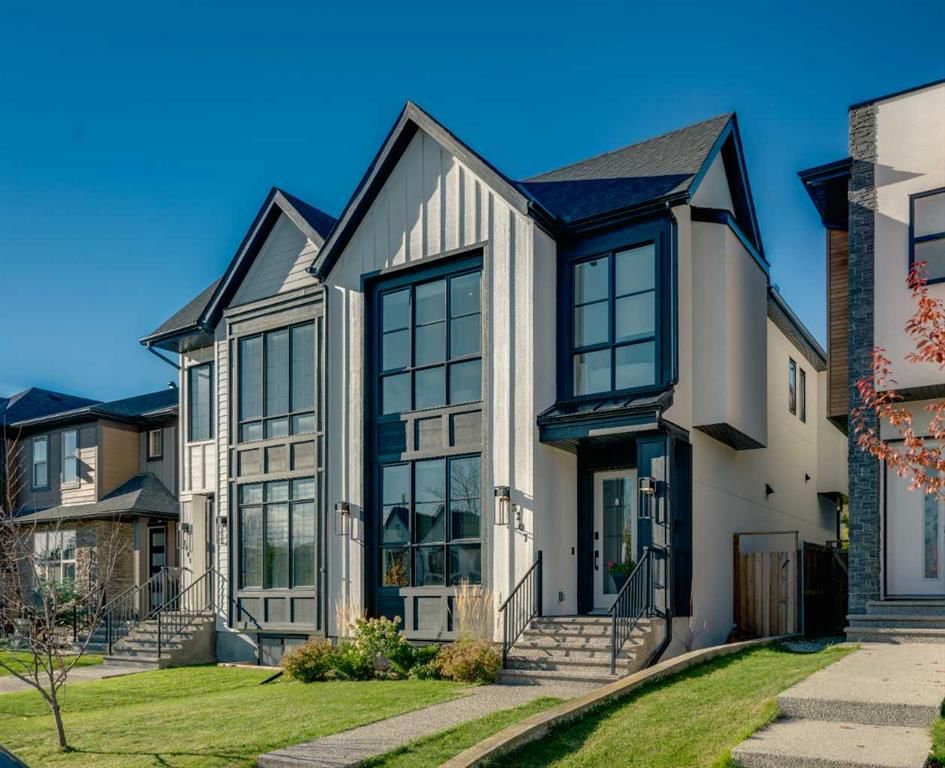 $1,099,9003207 Kinsale Road SW
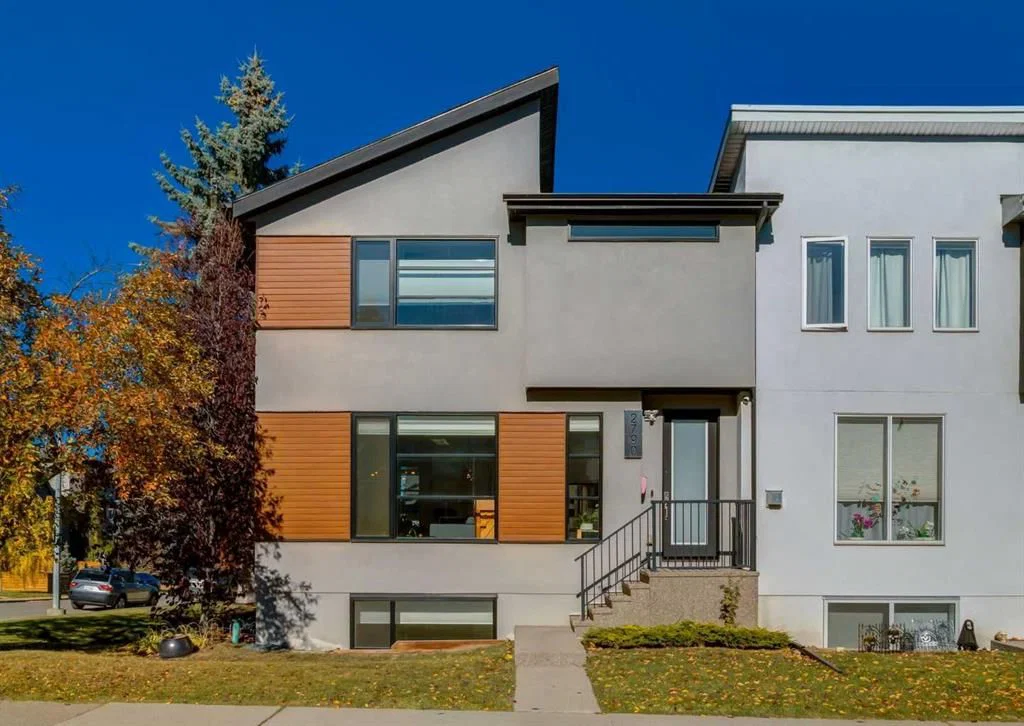 $724,9002790 19 Avenue SW
Showing 12 of 223 matching active MLS® listings in Altadore,Banff Trail,Capitol Hill,Highland Park,Killarney/Glengarry,Mount Pleasant,Parkdale,Renfrew,Richmond,Shaganappi,South Calgary,Tuxedo Park,West Hillhurst,Windsor Park,Winston Heights/Mountview.
More homes for sale in Altadore,Banff Trail,Capitol Hill,Highland Park,Killarney/Glengarry,Mount Pleasant,Parkdale,Renfrew,Richmond,Shaganappi,South Calgary,Tuxedo Park,West Hillhurst,Windsor Park,Winston Heights/Mountview
- 2220 8 Street NE · $1,899,000 · 3 bed · Detached
- 2029 35 Avenue · $1,829,000 · 3 bed · Detached
- 2, 1929 36 Street SW · $649,800 · 2 bed · Row/Townhouse
- 311 Killarney Glen Court SW · $325,000 · 3 bed · Row/Townhouse
- 3, 1930 26A Street SW · $525,000 · 2 bed · Row/Townhouse
- 2329 Bowness Road NW · $4,200,000 · 3 bed · Detached
- 2209 29 Avenue SW · $1,599,999 · 4 bed · Semi Detached (Half Duplex)
- 115, 408 27 Avenue NE · $475,000 · 2 bed · Row/Townhouse
- 2314 22 Avenue SW · $1,195,000 · 3 bed · Semi Detached (Half Duplex)
- 2302 6 Street NE · $1,099,000 · 3 bed · Semi Detached (Half Duplex)
- 421 19 Avenue NE · $1,050,000 · 3 bed · Semi Detached (Half Duplex)
- 2300 6 Street NE · $1,099,000 · 3 bed · Semi Detached (Half Duplex)
- 2211 27 Street SW · $1,299,000 · 3 bed · Semi Detached (Half Duplex)
- 1&2, 922 17 Avenue NW · $1,478,880 · 3 bed · Full Duplex
- 434 23 Avenue NW · $1,099,000 · 3 bed · Semi Detached (Half Duplex)
- 2428 36 Street SW · $1,224,900 · 3 bed · Semi Detached (Half Duplex)
- 4023 16A Street SW · $2,899,500 · 3 bed · Detached
- 316 28 Avenue NE · $1,095,000 · 3 bed · Detached
- 2183 49 Avenue SW · $719,900 · 3 bed · Row/Townhouse
- 1905B 17 Street NW · $998,000 · 3 bed · Row/Townhouse
- 2417 31 Avenue SW · $1,299,900 · 3 bed · Detached
- 2238 34 Street SW · $1,450,000 · 3 bed · Detached
- 2106 6 Street NW · $575,000 · 2 bed · Row/Townhouse
- 615 55 Avenue SW · $1,488,888 · 3 bed · Detached
- 2618 26 Street SW · $2,190,000 · 3 bed · Detached
- 2528 7 Avenue NW · $1,249,900 · 3 bed · Semi Detached (Half Duplex)
- 2125 Bowness Road NW · $2,799,000 · 3 bed · Detached
- 228 33 Avenue NE · $865,000 · 3 bed · Semi Detached (Half Duplex)
- 1028 18 Avenue NW · $1,198,000 · 3 bed · Detached
- 2008 48 Avenue SW · $2,275,000 · 3 bed · Detached
- 2413 32 Street SW · $1,399,000 · 3 bed · Detached
- 8, 828 8 Avenue NE · $490,000 · 2 bed · Row/Townhouse
- 3115 Kilkenny Road SW · $1,240,000 · 3 bed · Semi Detached (Half Duplex)
- 2531 2 Avenue NW · $1,199,900 · 3 bed · Semi Detached (Half Duplex)
- 4124 18 Street SW · $1,574,900 · 3 bed · Detached
- 3209 16 Street SW · $819,900 · 2 bed · Row/Townhouse
- 70A Montrose Crescent NE · $1,395,000 · 3 bed · Detached
- 2826 31 Street SW · $1,750,888 · 3 bed · Detached
- 224 18A Street NW · $1,799,000 · 4 bed · Detached
- 2221 Halifax Crescent NW · $1,499,000 · 3 bed · Detached
- 3308 2 Street NW · $1,199,900 · 3 bed · Detached
- 1908 5 Street NE · $1,179,900 · 3 bed · Detached
- 2420 21 Street NW · $1,149,000 · 3 bed · Semi Detached (Half Duplex)
- 1906 5 Street NE · $1,179,900 · 3 bed · Detached
- 1632 21 Avenue NW · $1,099,888 · 3 bed · Semi Detached (Half Duplex)
- 1616 50 Avenue SW · $1,899,990 · 3 bed · Detached
- 3502 3 Street NW · $839,000 · 3 bed · Semi Detached (Half Duplex)
- 725 53 Avenue SW · $1,295,000 · 3 bed · Semi Detached (Half Duplex)
- 736 35 Street NW · $1,175,000 · 3 bed · Semi Detached (Half Duplex)
- 2857 12 Avenue SW · $699,000 · 3 bed · Row/Townhouse
- 2851 12 Avenue SW · $724,900 · 3 bed · Row/Townhouse
- 814 22 Avenue NW · $1,288,800 · 3 bed · Detached
- 420 32 Avenue NW · $1,038,000 · 3 bed · Semi Detached (Half Duplex)
- 1906 43 Avenue SW · $1,375,000 · 3 bed · Detached
- 39A Moncton Road NE · $1,149,988 · 4 bed · Detached
- 2354 7 Street NW · $720,000 · 3 bed · Row/Townhouse
- 4614 16 Street SW · $1,250,000 · 2 bed · Semi Detached (Half Duplex)
- 1937 44 Avenue SW · $1,375,000 · 3 bed · Detached
- 2352 7 Street NW · $749,000 · 3 bed · Row/Townhouse
- 39B Moncton Road NE · $1,149,988 · 4 bed · Detached
What counts as an infill home
A house built from 2015 onward on a lot inside the established city that already had a house on it. The old one comes down and one or two new ones go up in its place. That is the whole idea: the city grows inward, on streets that already have services, schools, trees and bus routes, instead of outward onto new land.
This page filters on the year the home was built together with the ground-oriented property types — detached, semi-detached and half duplex, row and townhouse, and full duplex. New apartment buildings are excluded deliberately. A year filter on its own does not mean infill: in several inner-city communities almost all of the new construction is apartment towers, and in Calgary's East Village 34 of 37 recent listings are apartments. Those are new condominium markets, and they are covered by our condo pages. Calling them infill would use the word to mean something it does not.
Why infill happens where it does
It follows the arithmetic of land. When a lot close to downtown is worth more than the house standing on it, rebuilding becomes the rational thing to do, and a lot that can take two attached homes rather than one detached house spreads its land cost across two sales. That is why infill concentrates in a ring of established communities a few kilometres out — close enough that land is valuable, old enough that the housing stock is at the end of its life, and zoned to allow more than one home where the district permits it.
It also means rebuilding runs block by block rather than evenly. Two streets in the same community can look a decade apart, which is why the community pages below are more useful than any citywide figure.
How infill differs from suburban new construction
Both are new houses and almost nothing else about them is the same. An infill sits on an existing lot on an existing street — usually narrower, often with a lane, surrounded by mature trees and houses from another era, with schools, shops and transit already built. A new suburban house sits on a new lot in a community where those things are still coming. Infill trades lot size and garage space for a location that is already finished, and it costs more per square foot for exactly that reason.
The practical differences matter more than the philosophical ones. Infill lots are tight, so construction access, grading and drainage between neighbours are live issues. Streets are narrow and parking is often on-street. And you are buying into an existing neighbourhood rather than one that will be defined by whoever moves in next.
How new builds trade against the houses they replaced
| Community | Listed now | Sold, built 2015+ | Share of house sales | Median new | Median older |
|---|---|---|---|---|---|
| Altadore | several | 71 | 42% | $1,325,000 | $1,058,750 |
| Banff Trail | several | 25 | 41% | $1,082,500 | $852,250 |
| Capitol Hill | several | 32 | 43% | $898,950 | $734,075 |
| Highland Park | several | 15 | 32% | $875,000 | $663,250 |
| Killarney/Glengarry | several | 81 | 39% | $1,080,000 | $715,000 |
| Mount Pleasant | several | 47 | 38% | $1,060,000 | $801,500 |
| Parkdale | several | 21 | 45% | $1,150,000 | $940,000 |
| Renfrew | several | 34 | 31% | $972,500 | $648,000 |
| Richmond | several | 38 | 30% | $1,165,000 | $876,500 |
| Shaganappi | several | 46 | 71% | $759,250 | $882,000 |
| South Calgary | several | 28 | 33% | $883,000 | $843,750 |
| Tuxedo Park | several | 19 | 25% | $900,000 | $599,750 |
| West Hillhurst | several | 37 | 30% | $1,349,000 | $885,000 |
| Windsor Park | several | 13 | 27% | $1,085,000 | $812,500 |
| Winston Heights/Mountview | several | 15 | 23% | $1,027,250 | $650,000 |
Sold figures cover September 2025 to August 2026 and are aggregates for that window — 522 sales of houses built 2015 or later across 15 communities. “Median older” is the median for houses in the same community built before 2015, over the same window, on the same four property types, so the only variable between the two columns is the year the house was built. Listed-now counts are read live.
What to check before you buy a new build
New does not mean unexamined, and a new house is not a lower-risk purchase than an older one — it is a differently-risked one.
Get an independent inspection. A house finished last year can still have grading, drainage, envelope or mechanical problems, and they are far cheaper to argue about before possession than after. Ask who the builder is and walk two or three of their earlier projects; quality across a building wave this size varies more than the finishes suggest. Confirm the warranty. Alberta requires new homes to carry coverage, and it runs from the date the home was first occupied rather than from your possession date, so a spec house that sat can have materially less left than you assume — our guide to Alberta new home warranty sets out what each stage protects. Check what is actually included: landscaping, fencing and the garage are the items most often still outstanding.
What can be built on a given lot is set by its land use district, and that is also what decides whether the empty lot beside you becomes one house or four. Our R-CG guide covers the district most inner-city rowhouse and duplex infill is built under. Confirm the district for a specific address with the City rather than relying on a listing.
Browse infill by community
Each of these is its own page with live MLS® listings and its own measured picture. A community appears here only where new ground-oriented houses are at least half of its recent new stock — which is what separates an infill market from a condo market that happens to be new.
Thinking about buying or building an infill?
We can set a saved search across every community above, and talk through which builders and which streets are worth your time — no obligation.
Talk to a REALTOR® All Calgary listingsListing counts on this page are read live from the MLS® feed each time it loads. Sold figures cover September 2025 to August 2026. How we calculate these figures.