
Summary
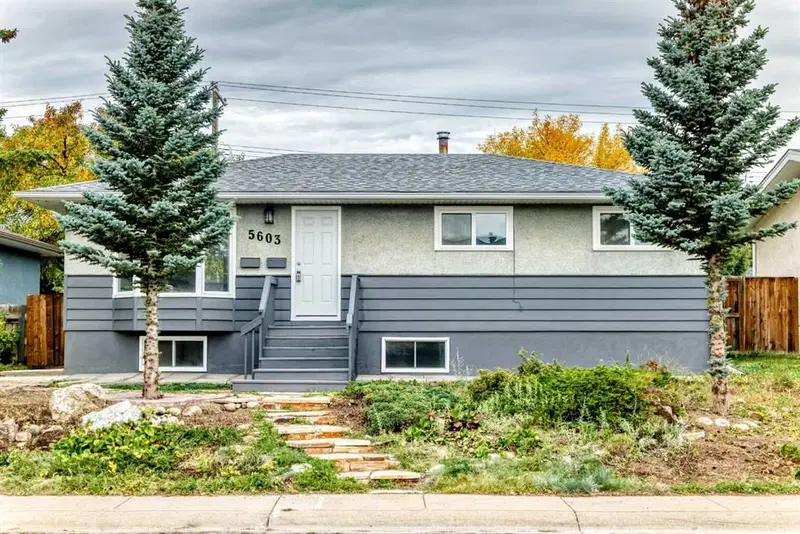
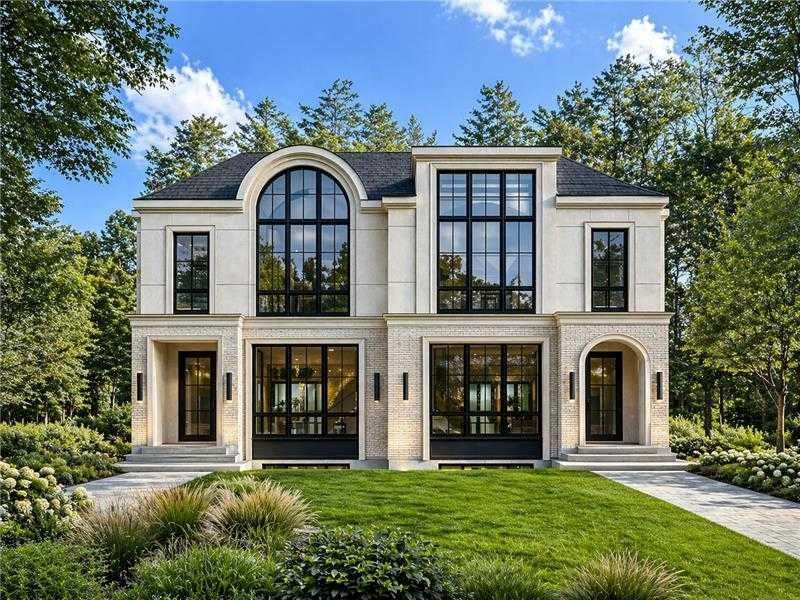
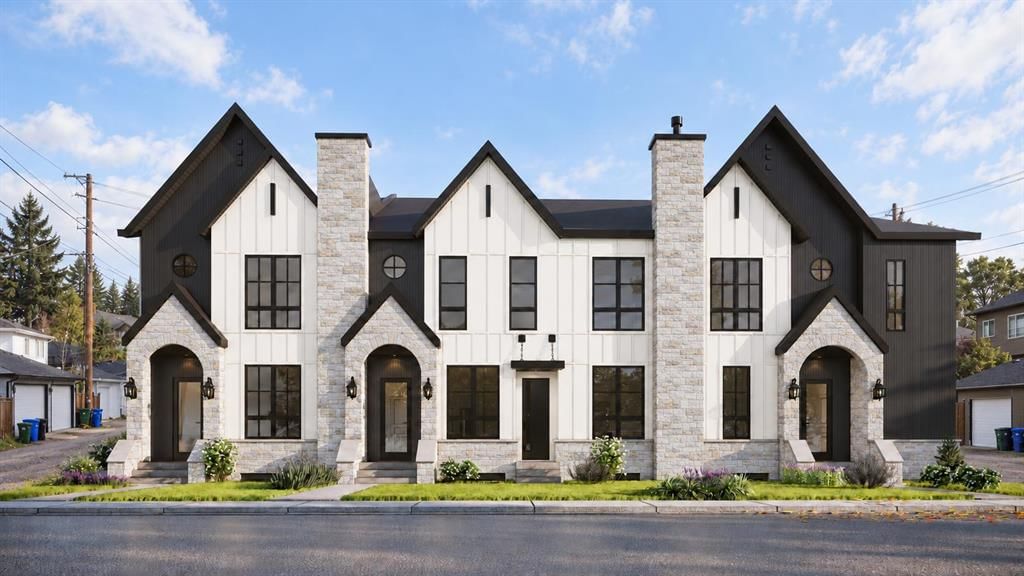
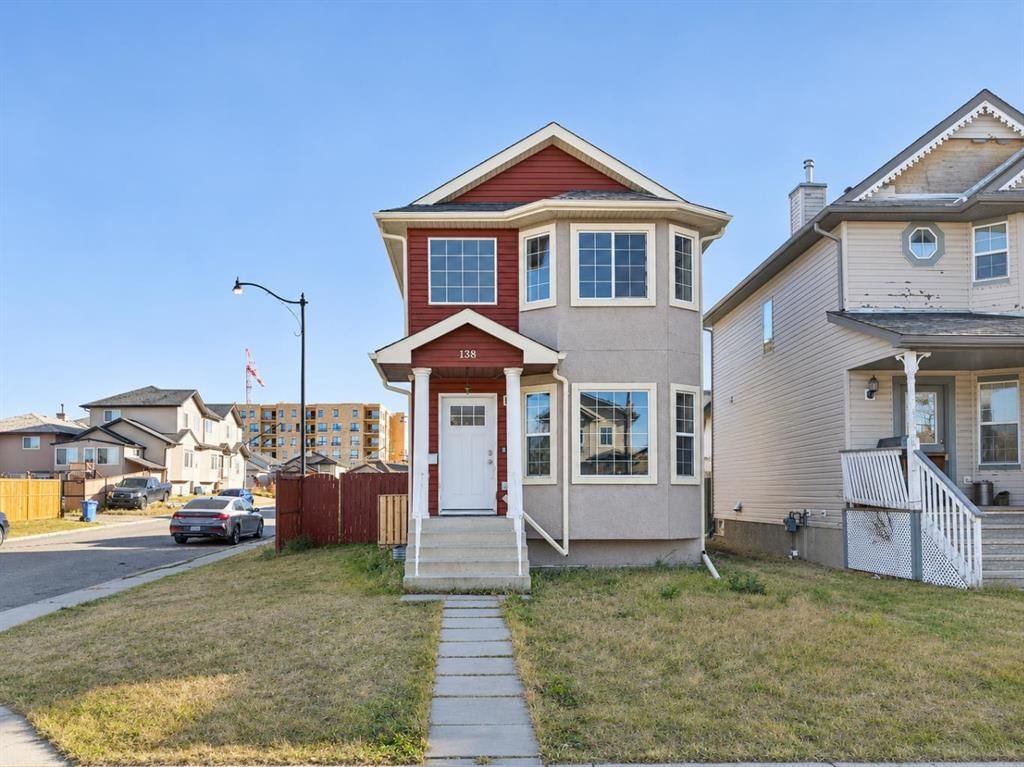
The page lists Calgary homes for sale with legal secondary suites, described as self-contained basement or garden suites with their own entrance, kitchen, and bathroom. It explains the difference between legal and illegal suites and what buyers should check before buying a suited home.
Key Facts
- The median list price for active suited homes in Calgary is $797,000.
- The average days on market for suited homes in Calgary is 49 days over the last 90 days sold.
- 256 suited homes sold in Calgary in the last 90 days with an average sold price of $760,291.
- The City's current guidance for basement suites is a minimum floor-to-ceiling height of 1.95 m, dropping to 1.85 m under ducts and beams.
- Since the citywide rezoning repeal took effect on 4 August 2026, land use is decided parcel by parcel, and an affected property may have a secondary suite or a backyard suite, not both.
- Council approved Bylaw 26P2026, which makes secondary suites a permitted use in all low-density districts.
Frequently Asked Questions
What counts as a legal suite in Calgary?
A legal secondary suite is registered with the City of Calgary, meets safety code requirements — separate egress, minimum ceiling heights, interconnected smoke alarms, proper ventilation — and appears on the City's public secondary suite registry.
Can suite income help me qualify for a mortgage?
Often, yes. Many lenders count a portion of legal suite rental income toward your qualification, which can raise your buying power meaningfully. The suite generally must be legal for its income to count.
How much do basement suites rent for in Calgary?
Rents vary by area, size, and condition, but a legal one or two-bedroom basement suite in Calgary typically rents for enough to cover a significant portion of a monthly mortgage payment — which is why suited homes are called mortgage helpers.
How do I know if a suite is legal?
Check the City of Calgary's secondary suite registry, and confirm permits for the suite's construction. Listings sometimes describe non-registered suites as 'illegal suite' or 'non-conforming' — treat those as a renovation project, not rental income.
Are suited homes harder to sell later?
It depends on the suite and the buyers in the market when you sell. A registered suite with its permits and final inspection on file appeals to buyers who want rental income or room for family, while an unregistered suite can raise questions from buyers, lenders and insurers.
Related Entities
- Companies
- City of Calgary
- Products
- Calgary Suited Homes for Sale, Calgary Home Buyer Guide
- Locations
- Calgary, West Springs, Springbank Hill, Tuscany, Mahogany, Beltline, Sage Hill, Seton
- Technologies
- MLS®
Calgary Suited Homes for Sale
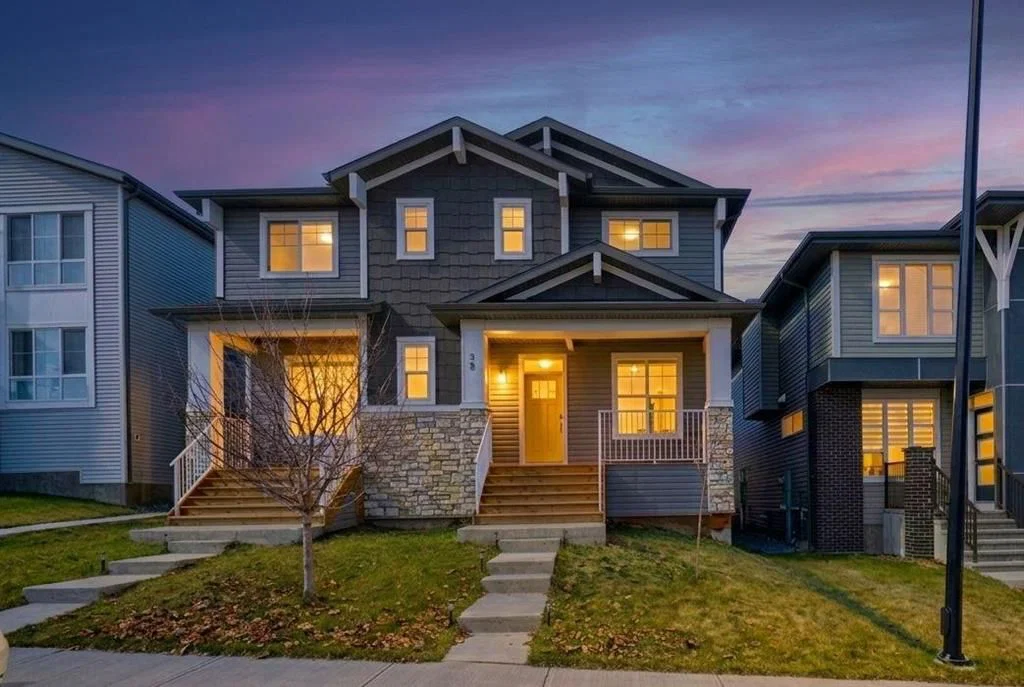
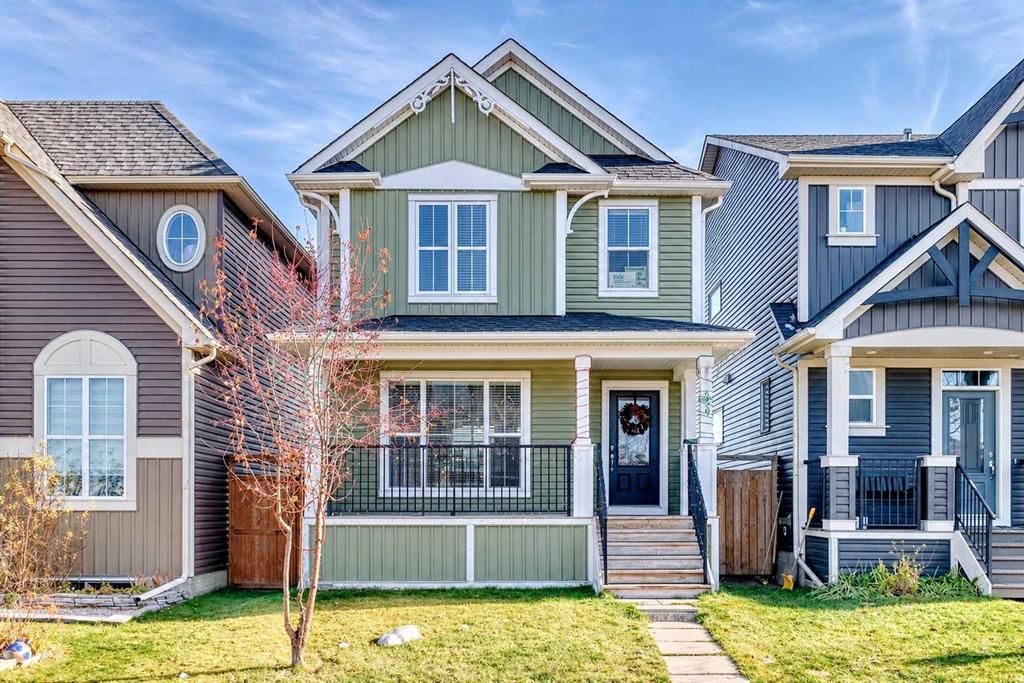
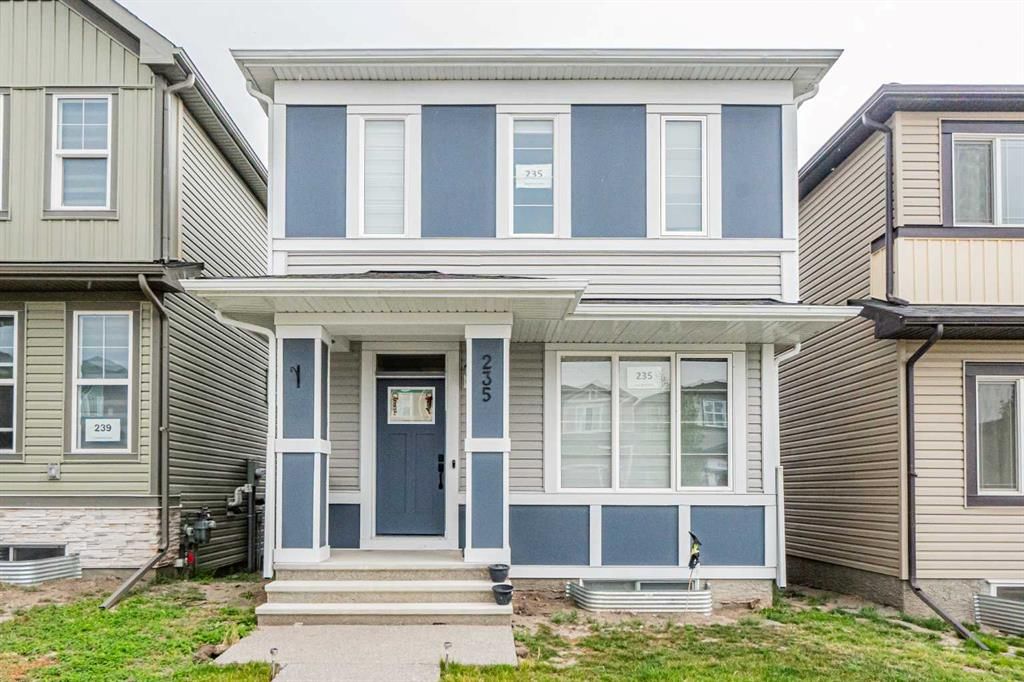
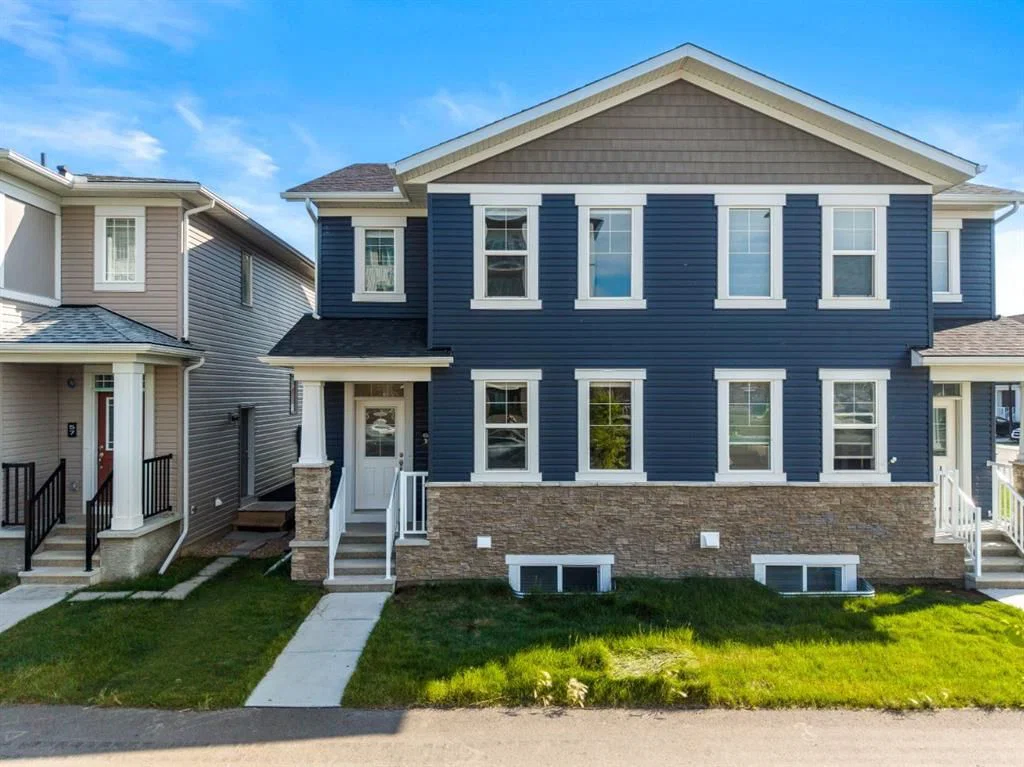
Search homes for sale in Calgary with legal secondary suites — self-contained basement or garden suites with their own entrance, kitchen, and bathroom. The search finds listings whose MLS® description uses the words “legal suite”, so it also picks up some that say “illegal suite”, and a description is not the City’s approval. Check each address using our secondary suite legality guide before you rely on it.
Suited homes serve two big groups of Calgary buyers: households using rental income to offset the mortgage — the classic “mortgage helper” — and multi-generational families who want parents, adult children, or caregivers close but independent.
Legal vs. Illegal Suites — Why It Matters
In Calgary, a legal suite is registered with the City, built or upgraded to safety code — separate egress, proper ceiling heights, interconnected smoke alarms, and more — and appears on the City's secondary suite registry. An “illegal” or non-conforming suite may look identical in photos but carries real risk: the City can order it decommissioned, insurance may not cover it, and lenders may not count its income.
The difference shows up directly in value and financing. Many lenders will use a portion of legal suite income to help you qualify — which can meaningfully raise your buying power. Always verify a suite's registration status before writing an offer; we check the registry as a standard step for our buyers.
The Numbers on a Mortgage Helper
A typical legal one or two-bedroom basement suite in Calgary rents for enough to cover a significant share of a monthly mortgage payment. That changes what buyers can comfortably afford — some households effectively step up a full price bracket by buying suited.
Run your own scenario with our investment calculator or affordability calculator, and talk to a mortgage broker about how suite income affects your qualification.
What to Check Before Buying a Suited Home
Verify the suite is on Calgary's secondary suite registry and that permits match what was actually built. Look at the mechanical setup — shared versus separate furnaces and laundry affect tenant appeal — plus soundproofing, parking for the suite, and whether the layout gives both units real privacy. If the suite is occupied, review the lease terms you would inherit.
How do I find a Calgary home with space for a future secondary suite?
Search for the layout, not the word "suite". Then treat every home as a feasibility question until the City's rules, the permits and a qualified designer or contractor say otherwise. A listing that says "suite potential" is giving an opinion, not an approval.
Layout and building questions to ask of each home
- Ceiling height. The City's current guidance for basement suites is a minimum floor-to-ceiling height of 1.95 m, dropping to 1.85 m under ducts and beams. Measure it, because a low basement is one of the most expensive problems to fix.
- Bedroom windows. Every bedroom in the suite needs a window that opens fully and meets the City's emergency-exit size. Small basement windows usually mean cutting the foundation and digging a window well.
- Entrance. The suite must be reachable from outside without going through the main home. A shared stairwell can work if each unit has its own entrance. Side doors, rear doors and walkouts help.
- Separation and systems. Ask what it would take to provide smoke-tight separation between the units, interconnected smoke and carbon monoxide alarms, heating and ventilation, hot water, and plumbing for a second kitchen and bathroom. Electrical and plumbing work need their own permits.
- Parking and the lot. The City's suite guidance says the current Land Use Bylaw requires a parking stall for a suite, reduced in some situations. Check whether the property can provide one.
Then check the rules for that address. Since the citywide rezoning repeal took effect on 4 August 2026, land use is decided parcel by parcel, and an affected property may have a secondary suite or a backyard suite, not both. The City's rezoning page also records Council approving Bylaw 26P2026, which makes secondary suites a permitted use in all low-density districts. A development permit can still be needed where the design does not meet the Land Use Bylaw, and a building permit is always needed. Confirm what applies to the specific address with the City's Planning Services Centre before you pay for the potential. Start with how to find a property's zoning, the R-CG rules in effect since 4 August 2026 and our secondary suite legality guide.
Where to look. Bungalows tend to have the largest open basement floor plates (see Calgary bungalows), and unfinished or partly finished basements are often easier to plan than a finished one you would have to remove (see homes with finished basements for the trade-offs). Whether building a suite makes sense for you at all is covered in should I add a suite to my Calgary home. If the plan affects what you can afford, get the lender's view on future rental income before you write the offer.