Read this first
What Most New Construction Buyers Don't Know Until It's Too Late
The builder's sales rep is not your agent
The friendly person who greets you in the show home represents the builder — not you. They are legally prohibited from giving you independent advice, cannot tell you a clause is unfavourable, and cannot advocate for your interests. They are there to sell you a home. This isn't a criticism — it's simply how new construction sales work.
The solution is equally simple: bring your own Calgary REALTOR®. It costs you nothing — the builder pays the buyer's agent commission in most cases. And it changes everything.
On the resale MLS®, you negotiate with a seller who has their own agent — both sides represented, the contract relatively balanced. In new construction, the builder's contract has been refined over years by their lawyers, and in the excitement of floor plans and finishes it's easy to skip the fine print. We've seen buyers face price increases at closing, possession delays of six months or more, material substitutions they didn't anticipate, and upgrade costs far above what the same work costs after possession. None of it surprised the builder — it was all in the contract.
Know what you're signing
Builder Contract Clauses That Favour the Builder
Builder contracts run 30–60 pages, and most buyers skim them. These are the clauses we review carefully on every new construction purchase — and what each one means for you.
Price Escalation Clause
Allows the builder to increase the purchase price before possession — typically tied to material costs, labour costs, or construction cost indices. You agree to one price at signing; at possession the builder invoices a higher one — and the contract says you agreed to this possibility.
Watch for: Any clause referencing “price adjustments,” “cost escalations,” “material cost increases,” or “index-linked pricing.” Some contracts cap the escalation, others do not. We identify this clause in every contract and explain exactly how much exposure you have.
Possession Delay Clause
Gives the builder the right to delay your possession date — sometimes repeatedly — without financial penalty. Your June 1st possession becomes September 15th, you've given notice on your rental, and you now need three and a half months of short-term accommodation.
Watch for: How many times the builder can delay, what counts as an acceptable reason, whether there is any compensation to you, and what your options are beyond a certain threshold. Most contracts allow multiple delays with very limited buyer recourse.
Material Substitution Clause
Allows the builder to substitute specified materials, finishes, or fixtures with alternatives of “equal or better value” — as determined by the builder. The brick, windows, appliances, or flooring you chose may change if supply chains shift or the builder gets a better deal elsewhere.
Watch for: How broadly the substitution right is written, whether “equal value” is defined, and whether you have any approval right. Vague substitution clauses give builders enormous latitude to change what you get without your consent.
Deposit Structure & Forfeiture
New construction deposits are often large and typically non-refundable if you cannot complete. Unlike a resale contract where conditions protect you, new construction deposits are frequently at risk from the day you pay them.
Watch for: Total deposit amount and installment schedule, conditions (if any) under which it is refundable, what constitutes buyer default — and whether the builder can keep your deposit AND resell the home and keep that profit too.
Specification Change Clause
Allows the builder to change plans, specifications, or features — lot size, square footage, window placement, garage size, exterior design — without your approval, as long as the change is deemed “minor” or within a specified percentage.
Watch for: How “minor change” is defined, whether there is a size or value threshold, and what your remedies are if a change materially affects your enjoyment or the value of the home.
Financing Condition Limitations
Many new construction contracts have no standard financing condition — or limit it to a very short window at signing. If you cannot secure financing when possession arrives 12–18 months later, you may be in default with your deposit at risk.
Watch for: Whether a financing condition exists at all, how long it runs, and what happens if your financial situation changes between signing and possession. Always discuss this with Al Zayat before signing any new construction contract.
Builder's Right to Terminate
Some contracts let the builder terminate the agreement — returning only your deposit, without interest and without compensation for costs you have incurred (financing fees, legal fees, moving plans) — if the builder decides not to proceed or cannot secure their own financing.
Watch for: Under what conditions the builder can terminate, whether you receive interest and out-of-pocket costs, and what your recourse is if the project is cancelled mid-construction.
GST Treatment
New construction homes in Canada are subject to GST — unlike resale homes. Whether GST is included in the purchase price or added on top varies by contract, and the GST New Housing Rebate rules are specific: not all buyers qualify for the full rebate.
Watch for: Whether the contract price includes GST or is “plus GST,” and your net exposure after any rebate. Confirm with your accountant and with Al Zayat on how GST affects your financing.
Our approach to builder contracts
CalgaryListings Group reviews every builder contract clause by clause before our clients sign. We explain each one in plain language, flag anything unusual or particularly unfavourable, and help you decide whether the contract is acceptable, negotiable, or worth walking away from. We've done this hundreds of times — we know what's standard and what isn't, and we'll tell you honestly which is which.
Live from the Calgary MLS®
New Construction Homes on the Market Right Now
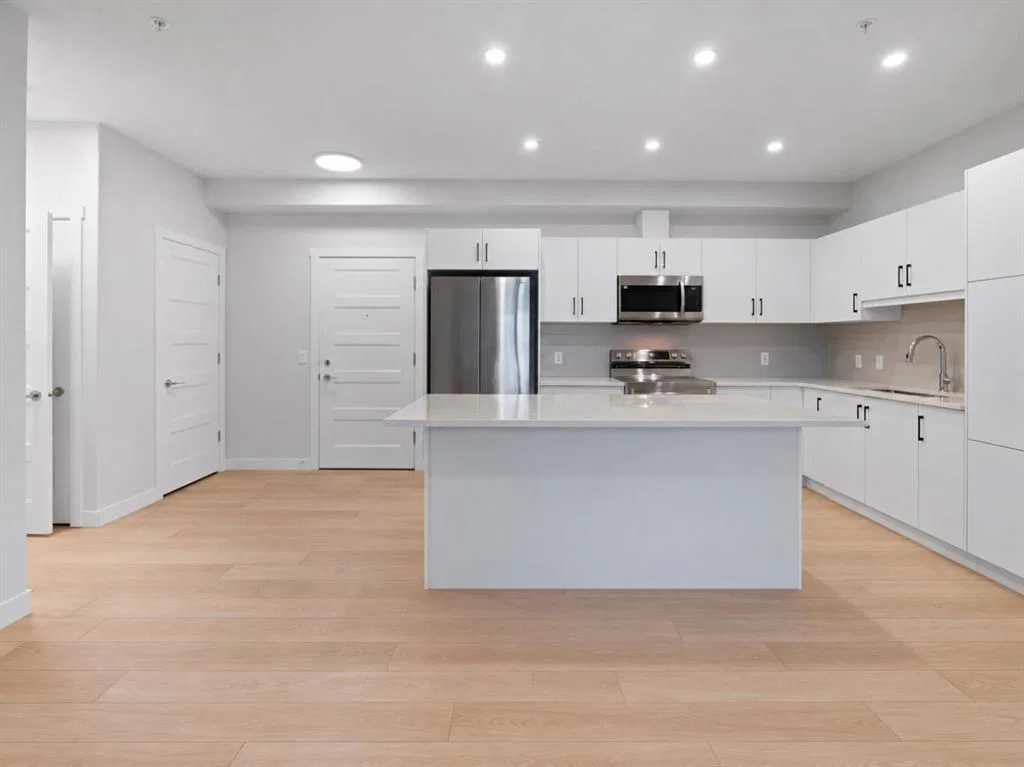
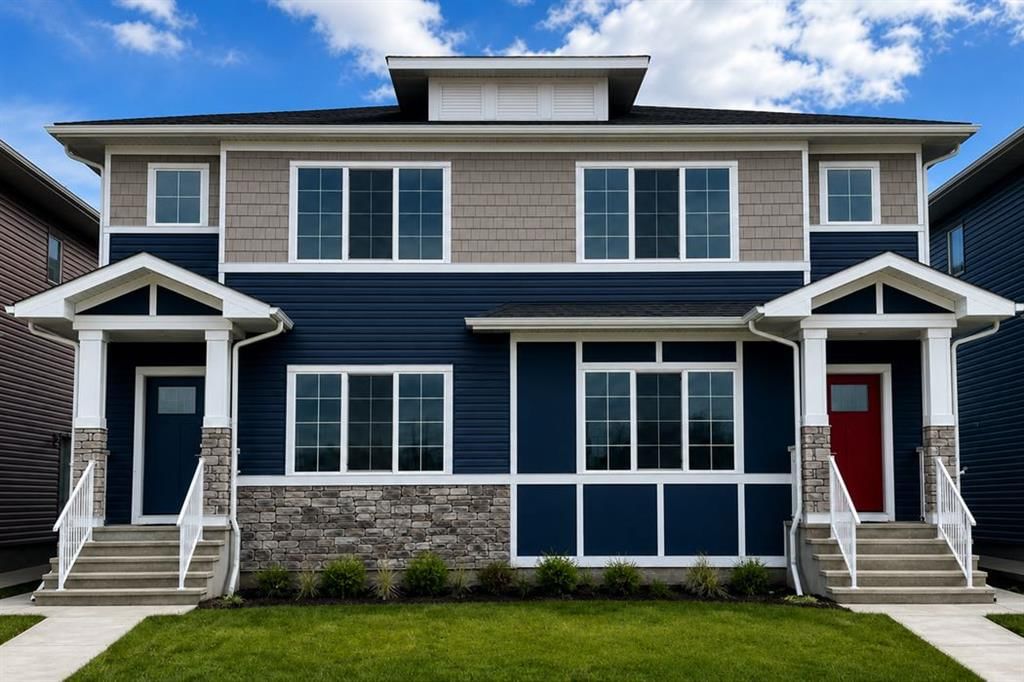
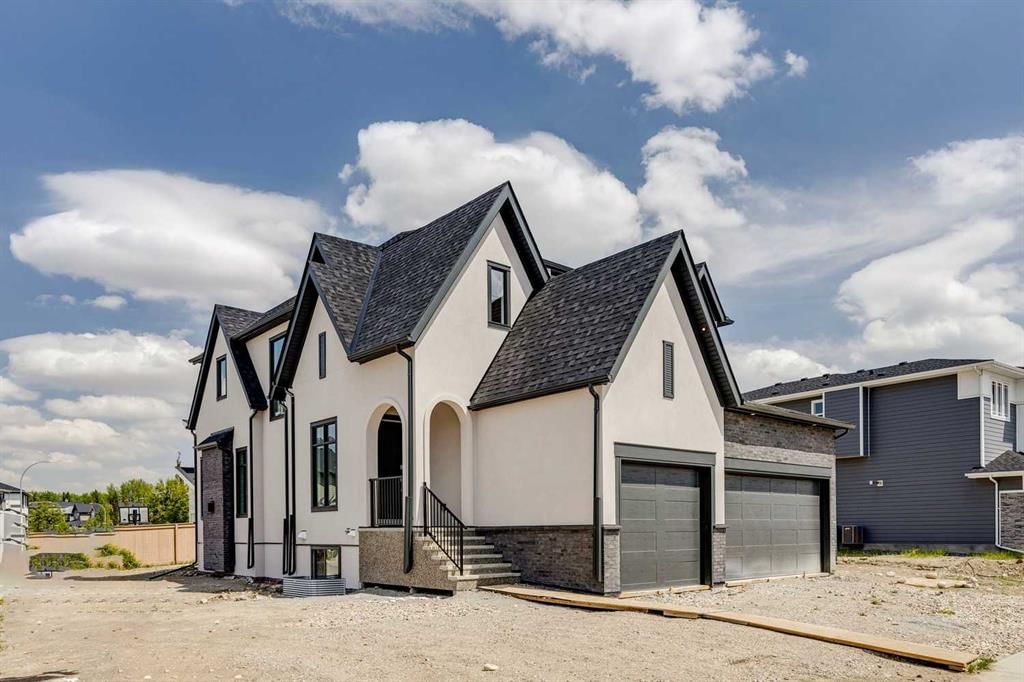
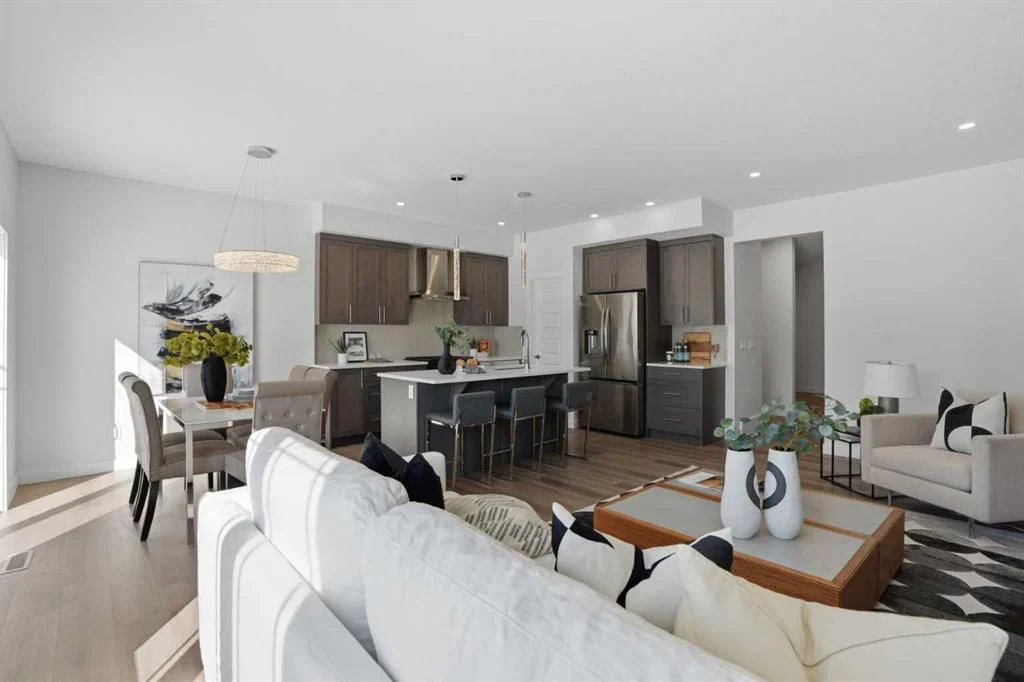
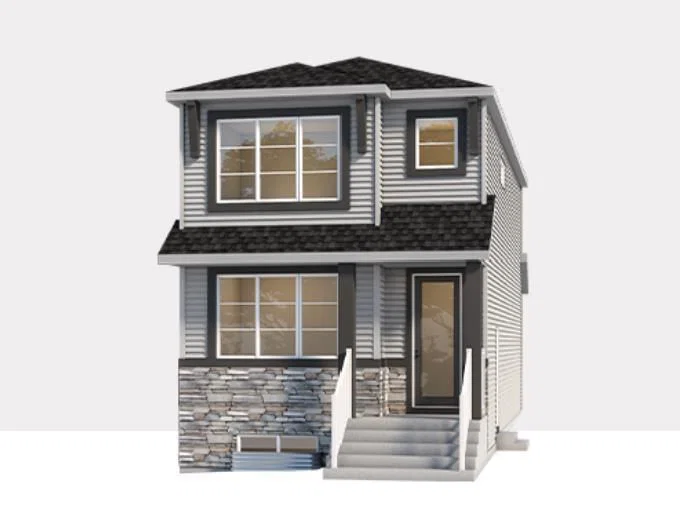
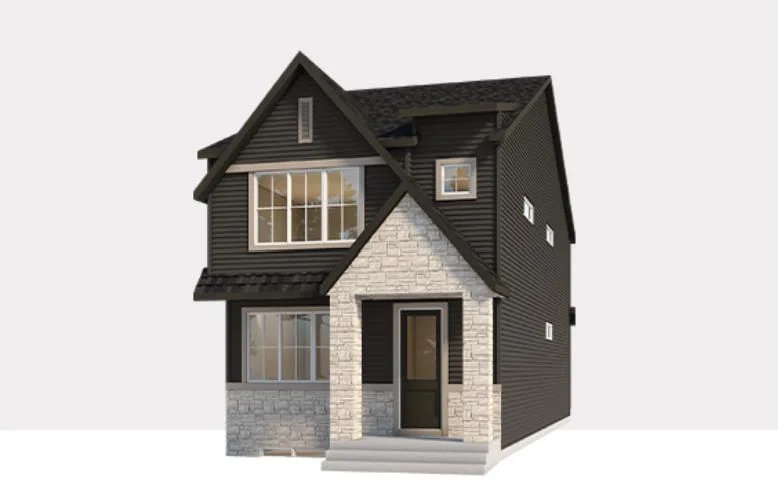
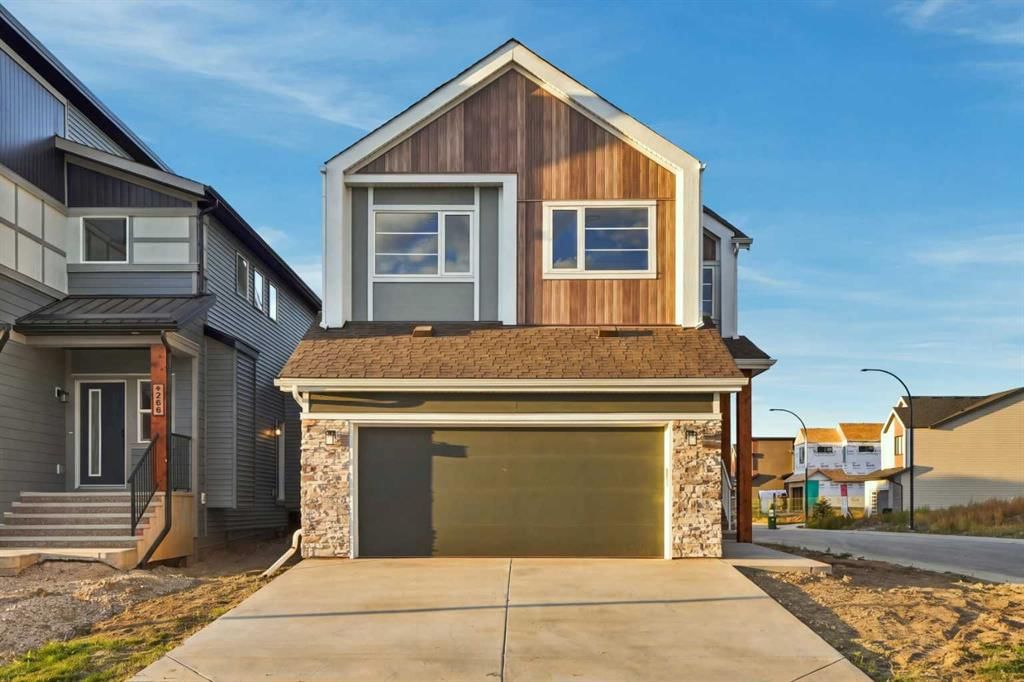
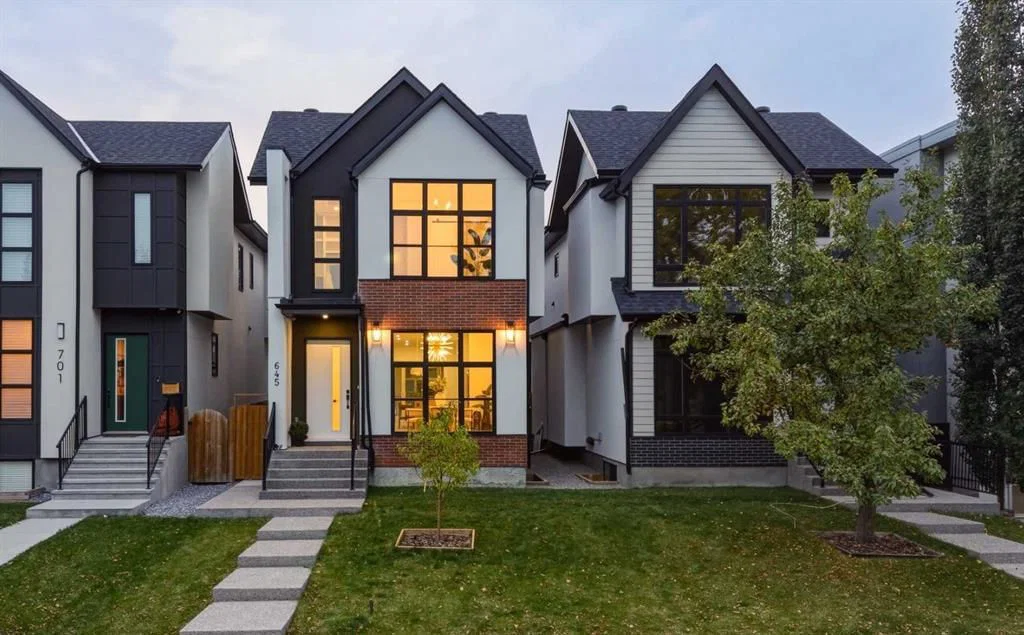
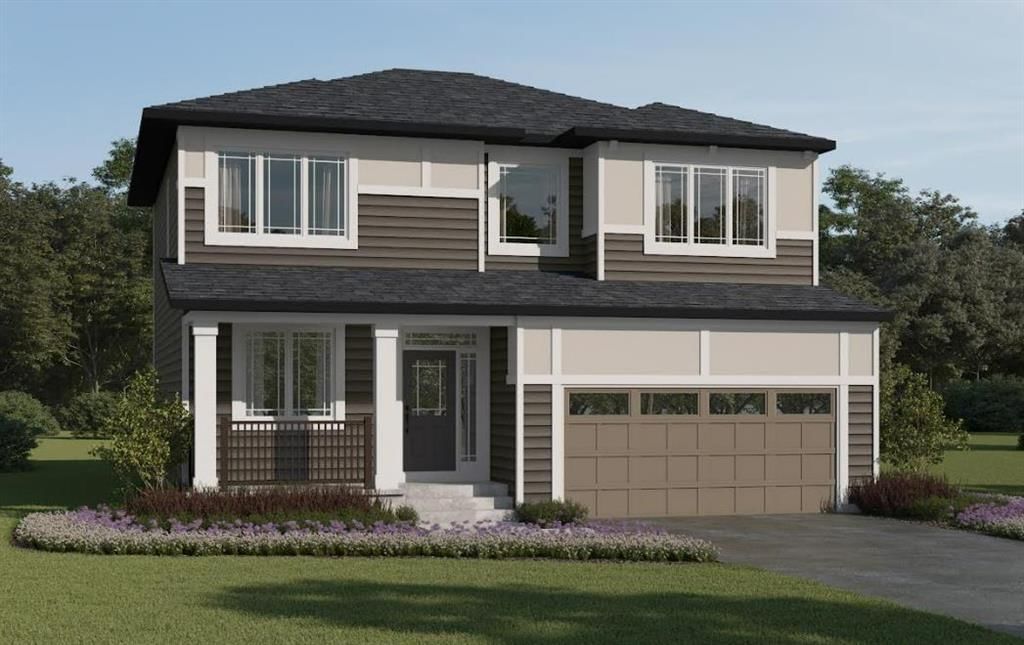
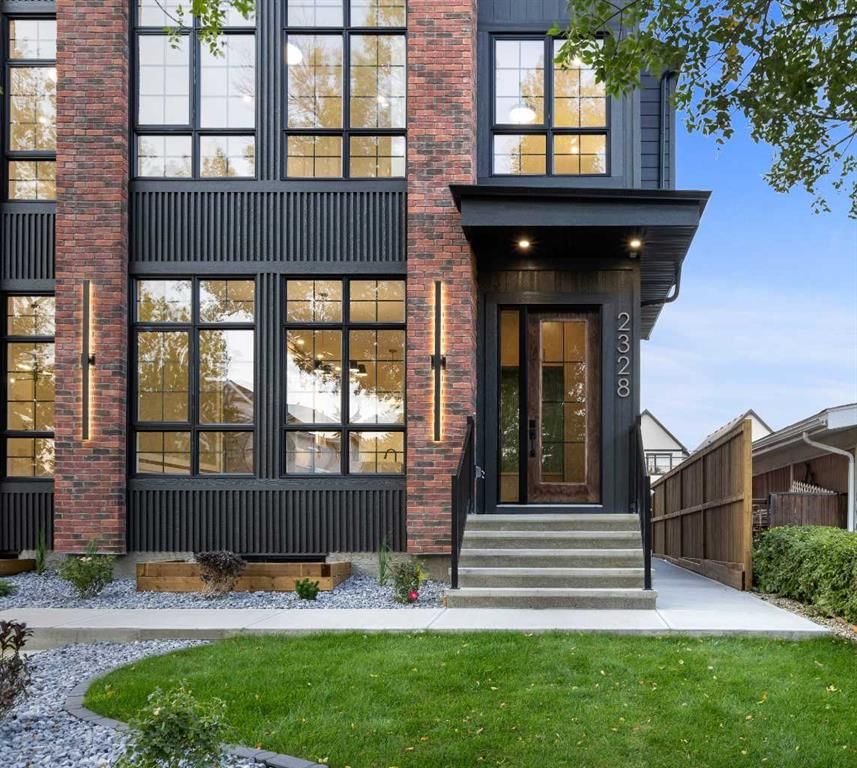
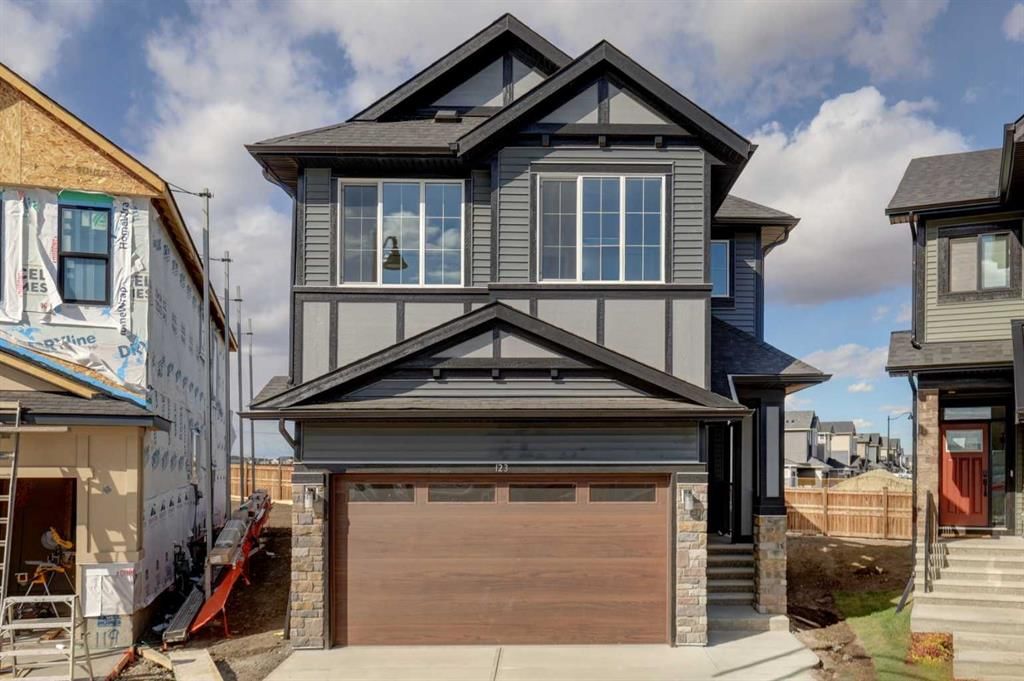
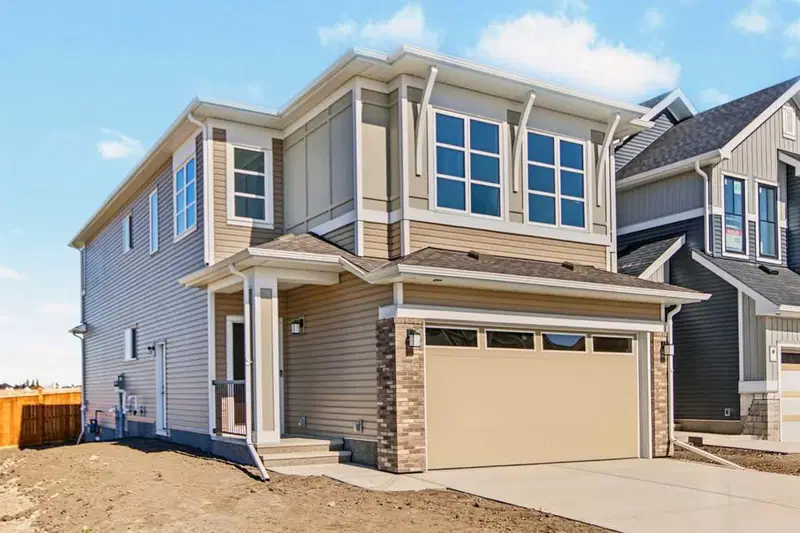
Every listing below was built in 2025 or later — spec homes, quick possessions, and new infills, refreshed every 10 minutes. Use the filters to narrow by type, price, or community, and every card links back to its full neighbourhood guide.
Where New Construction Is Happening in Calgary
Every community below is actively building today — each links to a full neighbourhood guide with live listings, market data, and buyer fit. Inner-city buyers: new infills run continuously through communities like Killarney, Richmond, Banff Trail, and Capitol Hill.
North
On Tsuut'ina Nation lands
The design centre
Which Upgrades Are Worth It — And Which Aren't
The design centre appointment is one of the most exciting parts of buying new — and one of the most expensive. Builder upgrades are typically marked up well above post-possession cost, but some genuinely are worth doing now: structural items, things that are much cheaper during construction, and anything covered by the new home warranty.
✓ Generally worth selecting now
- Structural options — walkout basement, extra square footage, additional bedrooms, loft conversion — almost impossible to add later and much cheaper now.
- Rough-ins — basement bathroom rough-in, gas line for BBQ or fireplace, EV charging conduit — cheap now, expensive to retrofit.
- Lot upgrades — corner lot, larger lot, backing onto green space or ravine — affects long-term value and can't be changed later.
- Garage upgrades — triple garage, extended depth, higher ceiling for a future lift — structural changes that pay off in usability and resale.
- Window placement & size — strategic extra windows — far cheaper to specify now than cut through later.
- Ceiling heights — 9ft or 10ft main-floor ceilings over the standard 8ft — structural, and changes the feel of the whole home.
✗ Often better done after possession
- Flooring — builder upgrade pricing often runs well above what your own contractor charges — same or better product for less after possession.
- Countertops — granite and quartz are highly competitive after-market; builder markup is often high.
- Cabinetry tweaks — paint colour, hardware, or minor changes are better done independently — unless it's the structural layout you're changing.
- Appliances — builder packages rarely beat a retailer's package deal.
- Lighting fixtures — standard builder lighting is replaceable — don't overpay for fixtures you'll swap anyway.
- Paint — builder paint is usually builder-grade. A painter after possession, better product, less money.
Our advice
Set a design centre budget before you go — and stick to it. It's easy to add a large sum to the price in a single afternoon. Spend on structural and non-reversible items; everything cosmetic can be done better and cheaper after possession.
After the purchase price
The Surprise Costs — What the Show Home Price Doesn't Include
The show home is furnished, landscaped, fenced, and finished with blinds and organizers — but almost none of that comes with the house. Most new-build buyers spend a significant amount in the first two years making the home actually liveable. Budget for these before you fall in love with the base price:
🌱 Landscaping & Sod
New homes come with dirt, and landscaping is no joke — budget for it, because the cost climbs quickly with lot size, trees, irrigation, and any hardscaping. Most Calgary builders require front landscaping within the first year under architectural controls, and the back yard is entirely on you.
🪢 Fencing
Lot lines arrive unfenced. Costs depend on lot size and corner exposure, and while neighbours conventionally split shared runs, your neighbours may not exist yet — early buyers in a phase often carry full cost or wait years to be reimbursed by convention, not obligation.
🪟 Deck or Patio
That show home deck is an upgrade. Many specs include only a small landing at the back door — or a door opening onto a drop. Check what your grade and contract actually include, and remember decks need permits.
🕉 Window Coverings
Every window arrives bare — and possession day means neighbours can see straight in. Whole-home coverings are one of the first cheques you'll write, and the bill climbs quickly with motorized blinds or drapery in a larger home. Builder-offered window packages exist — compare them against an independent quote before you commit.
🗄 Closets & Home Organizers
Standard spec is a single wire shelf per closet. Proper closet systems, pantry shelving, garage storage, and mudroom lockers are all post-possession costs — and they're the difference between the show home feel and moving-box chaos.
❄ Air Conditioning
Many builders include only the A/C rough-in. The unit itself, installation, and electrical hookup come later — and Calgary's hot-summer demand means peak-season installs book out months ahead.
📦 Appliances
Some spec and pre-sale contracts include no appliances at all, or an allowance that doesn't survive contact with a showroom. Verify the appliance schedule in writing before you sign — "as shown in show home" is not a spec.
💵 GST & Adjustments
New homes attract 5% GST — resale homes generally don't — and the federal GST New Housing Rebate is available below federal price thresholds. GST is often (but not always) baked into the advertised price. Add legal fees, title registration, and builder adjustments resale buyers never see. Confirm "GST included?" in writing, and read how GST on new homes works in Alberta.
📈 First-Year Tax Catch-Up
Your first property tax bills are based on the land value; once the city assesses the finished home a supplementary assessment catches up — and the catch-up can be a sizeable one-time bill. If your lender collects tax with payments, expect a recalculation.
🚧 Living in a Construction Zone
Budget patience too: unpaved roads, construction dust and debris, tradesperson parking, and 7am hammering for the years the phase builds out — plus driveway and city sidewalk timing that may lag possession by a season.
📉 Builder Competition on Resale
For years after you buy, the builder keeps selling brand-new homes a few streets over — same floor plans, full warranty, design-centre incentives, and pricing you can't match. Until the community builds out (often many years in Calgary's newest areas), reselling means competing head-to-head with the show home. This can be tricky in some neighbourhoods and barely matters in others — it's one of the first things we assess when you're choosing between communities, and a key reason early-phase pricing and lot choice matter for your exit.
🏫 Infrastructure That Isn't Built Yet
The community plan shows schools, shopping, parks, and transit — but on possession day much of it is a rendering. School sites can sit empty for years and your designated schools may be a drive away in another community; groceries and services often mean leaving the neighbourhood; parks, pathways, and rec amenities arrive with buildout, not with your keys. It can take years for a new community to come together — check what's actually funded and under construction versus simply drawn on the plan, and budget the commuting reality in the meantime.
Our advice
Get every inclusion in writing before signing, and set aside a reserve for the first-two-years list above — ask the builder for the written allowance on every item so you know exactly what is and isn't included. When comparing a new build against a resale home that already has landscaping, fencing, blinds, A/C, and window coverings — add these costs to the new-build price so you're comparing the same finished product. Every one of these costs varies with lot, home size, and finishes — get quotes before you sign, not after.
What's available
Types of New Construction in Calgary
Pre-Sale / Off-Plan
You buy before construction begins — from plans and a show home. Longest lead time (12–24+ months); the trade for the wait is first choice of lot and plan at the phase's opening pricing. Highest contract risk — the most important one to review carefully before signing.
Spec Home
Built by the builder without a pre-sold buyer — finished or near-finished. You see exactly what you get, possession is faster, and there's less customisation. The builder is motivated to sell, so negotiating room exists.
Quick Possession
A completed or nearly complete home available within 30–90 days. Limited or no upgrade selection, but ideal for firm timelines or buyers who sold first and need to move.
Semi-Custom Build
A defined lot with a defined plan you can modify within the builder's parameters. More customisation than a spec home, less than fully custom. Common in newer Calgary communities.
New Construction Condo
Pre-sale or newly completed condos from developers. Subject to condo document review AND builder contract review — two layers of due diligence — and often sold with assignment clauses that affect resale before possession.
Townhome / Semi-Detached
New attached homes, often in inner-ring or infill communities, from entry-level townhomes to high-end inner-city infills. Some are freehold, some condo-structured — always verify ownership type.
Your protection
Alberta New Home Warranty — What's Covered
New homes built in Alberta must carry warranty coverage under the New Home Buyer Protection Act — one of the genuine advantages of buying new. Understanding what is and isn't covered, and how to claim, protects your investment after possession.
Defects in materials and labour — finishes, fixtures, workmanship
Delivery & distribution systems — plumbing, electrical, HVAC, mechanical
Building envelope — exterior cladding, windows, roof, waterproofing
Structural defects — foundation, load-bearing components, framing
Important: check the licence and the warranty provider
New homes in Alberta must carry warranty coverage under the New Home Buyer Protection Act (for homes whose building permit was applied for on or after February 1, 2014), and residential builders must hold a provincial licence. The Alberta New Home Warranty Program is one of several approved warranty providers. Before you sign, look up the builder’s licence status and the home’s warranty provider on the provincial public registry — we check both as part of our due diligence.
Our approach
How We Protect New Construction Buyers in Calgary
Here's exactly what we do differently when representing a new construction buyer — and why doing this before visiting a show home matters.
Talk to Us Before the Show Home
This is the most important step. Once you've signed a builder registration card or toured without registering a REALTOR®, it may be too late to have representation — most builders require your agent to be registered at or before your first visit. We set this up before you walk in the door.
Pre-Approval Before You Select
New construction timelines run 12 to 24 months or more, and rates, lending rules, and your situation can all change. Al Zayat reviews your pre-approval specifically in the context of a new construction purchase — including what happens if rates change by possession.
Builder & Community Research
Not all Calgary builders are equal. We research the builder's reputation, track record, warranty registration, and what past buyers experienced — plus the community's development plan, what surrounds your lot, and what the neighbourhood looks like in five years.
Contract Review — Every Clause
We review the builder's purchase contract before you sign — price escalation, possession delays, material substitution, deposit forfeiture, GST treatment, and every clause that gives the builder unusual flexibility — explained in plain language.
Design Centre Strategy
We help you set a design centre budget and split upgrades into builder-now versus after-possession. That conversation is where most regrettable design centre spending gets caught.
Pre-Delivery Inspection (PDI)
Before possession, we attend the builder walkthrough — or coordinate an independent inspector — to ensure a comprehensive deficiency list is documented and signed off. What's on that list is what they're obligated to fix.
Possession & Beyond
On possession day we confirm the home matches the agreed specifications, deficiencies are addressed, and title transfers clean. We stay in contact through your warranty period and help you document and submit warranty claims effectively.
Be prepared
New Construction Buyer Checklist
Before the Show Home
- Contact CalgaryListings Group to register your agent
- Get pre-approved with Al Zayat — new construction context
- Research the builder's reputation and warranty registration
- Understand the community's development plan
- Know your budget including design centre allowance
- Understand what lot placement means for your home
Before You Sign
- Have your REALTOR® review the full contract
- Identify any price escalation clauses — understand exposure
- Understand possession delay provisions and your options
- Confirm GST treatment — included or additional
- Understand deposit structure and forfeiture terms
- Verify builder's Alberta New Home Warranty registration
At the Design Centre
- Set a firm budget before you go — and stick to it
- Prioritise structural and non-reversible upgrades
- Skip cosmetic upgrades — flooring, counters, paint
- Get all selections documented in writing
- Confirm all selections are included in the contract
- Understand lead times for special-order items
Before Possession
- Attend the PDI — or bring an independent inspector
- Document every deficiency in writing
- Confirm builder sign-off on the deficiency list
- Arrange home insurance from possession day
- Confirm mortgage funding is in place with Al Zayat
- Do a final walkthrough on possession day itself
Common questions
New Construction Buyer FAQ
The Calgary New Construction Buyer's Guide
Builder contracts decoded. The clauses to watch for. Which upgrades are worth it. How to protect your deposit. What the warranty covers — everything you need to buy new construction in Calgary without being caught off guard. No spam, unsubscribe any time.
Where to find new homes under $700,000
Three different searches, returning three different houses.
- The outer-ring communities building now. The map above lists them. At this budget you are generally looking at attached product, or the smaller detached plans in the north, northeast and southeast, and at the front of a phase rather than its last lots. Buying in a brand-new community.
- Quick possession and spec homes. Already built and already specified, and priced to move because the builder is carrying them. You give up choice and gain certainty on price and date, which at this budget is often the better trade. Calgary quick possession homes.
- Recently built resale. A home finished in the last few years usually already has landscaping, fencing, window coverings and a deck. Compare it against a new build only after adding those costs to the new build. Detached homes $500,000–$700,000.
Check one thing at this end of the market: how much the builder still has to sell around you, and at what price. For the first years you compete on resale with a show home a few streets over.
What is actually negotiable with a Calgary builder
Two separate negotiations, and buyers usually attempt only the first.
Price and incentives. Builders protect list price because it sets the comparable for every unsold home in the phase. What moves instead is value: design centre allowance, appliances, landscaping or fencing, basement development, window coverings, air conditioning, or closing costs — and there is more of it late in a phase than early. Which upgrades are worth taking.
The contract. The one people assume is fixed. It is a standard form, so wholesale rewriting is not on offer, but specific terms are often adjustable: a cap on a price escalation clause, an outside date beyond which a delay gives you a remedy, a holdback against deficiencies, deposit instalment timing, and a written schedule of inclusions instead of “as shown in the show home”.
The rule for both: nothing counts until it is in the contract or an addendum signed by someone with authority to sign it. A verbal assurance from a sales representative is not a term.
How new build deposit schedules work
A resale deposit is one payment, due within a couple of business days of acceptance, held in a brokerage trust account and credited to your purchase at closing. Deposit versus down payment.
A new build is usually a schedule instead: an amount on signing, then further instalments on dates or on construction milestones — permit, foundation, framing, drywall, occupancy. It is still credited against the purchase price at closing and it is still separate money from your down payment. What changes is the size, the timing, and the risk.
Answer these in writing before you pay anything:
- Who holds it — a trust account, or the builder? Those are not the same thing.
- Is any of it refundable, and in what circumstances? Read that alongside the deposit forfeiture clause above.
- What protection applies if the builder does not complete, and is it written into the contract or only described to you?
- Are the instalments dates or milestones? Milestones move.
Have your lawyer read the deposit terms before the first cheque. Deposit money in a new build is generally at risk earlier, and for longer, than buyers coming from resale expect.
If the date, the price or the plan changes
The clauses above explain what a builder is permitted to do. This is what to do when one of them is used.
The possession date moves. Get the new date in writing, then work backwards through everything hanging off it: your rate hold, your rental notice, storage, and whether your approval survives the new timeline. Does a pre-approval expire. Ask what the contract entitles you to, and ask early — a second delay is easier to plan for than the first.
The price moves. Ask for the calculation in writing and check it against the clause permitting it, including any cap. Then check the new number against your approval, because an increase you can absorb may still be one your lender will not.
The plan changes. Specification and substitution clauses generally turn on whether a change is “minor” or of “equal or better value” as the builder determines. Compare what was drawn against what is being built, and put any objection in writing — a conversation on site is not a record.
In all three: your lawyer reads the contract, we read the file, the decision is yours. What a real estate lawyer does.
Before You Visit a Show Home — Talk to Us First
A 30-minute conversation before your first show home visit costs you nothing and protects you from the most common new construction mistakes. Builder contracts. Upgrade strategy. Financing risk. Community research. Let's cover it all before you sign anything.