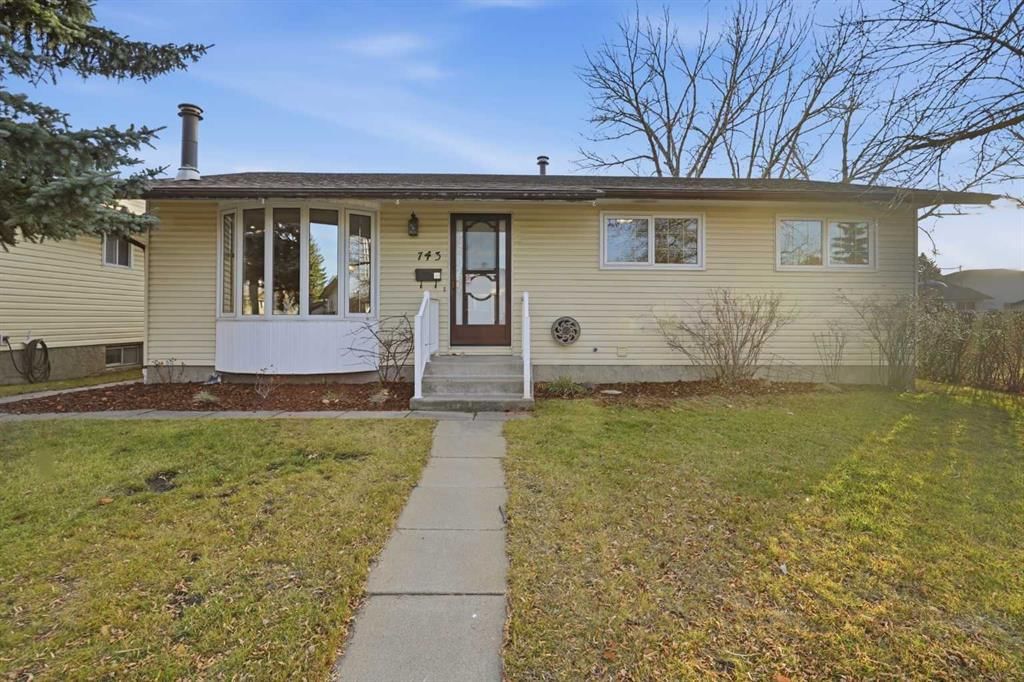
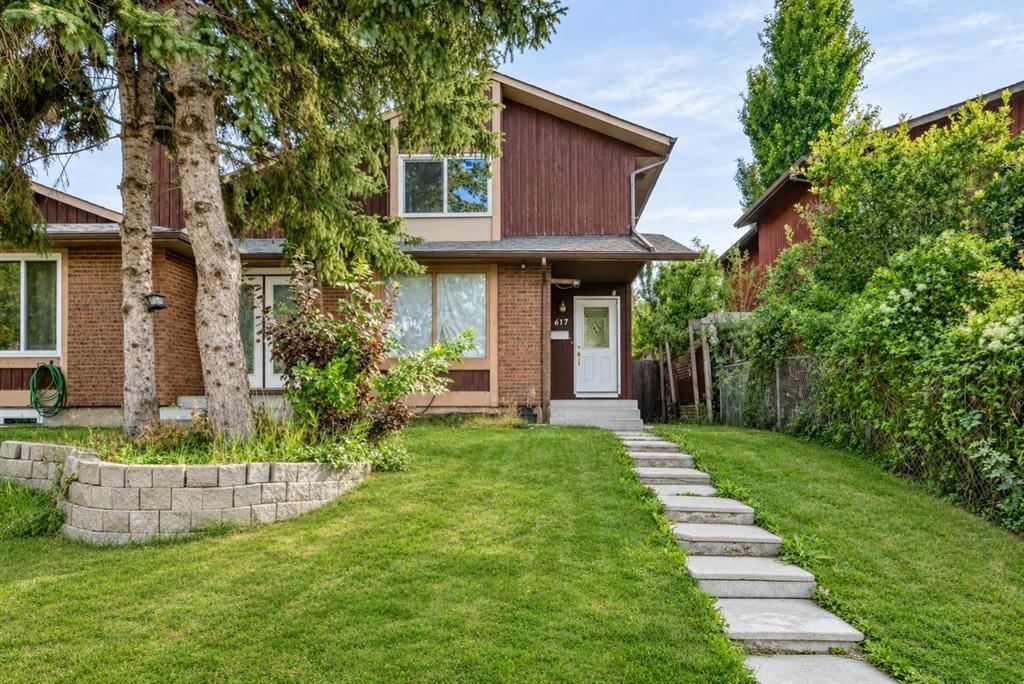
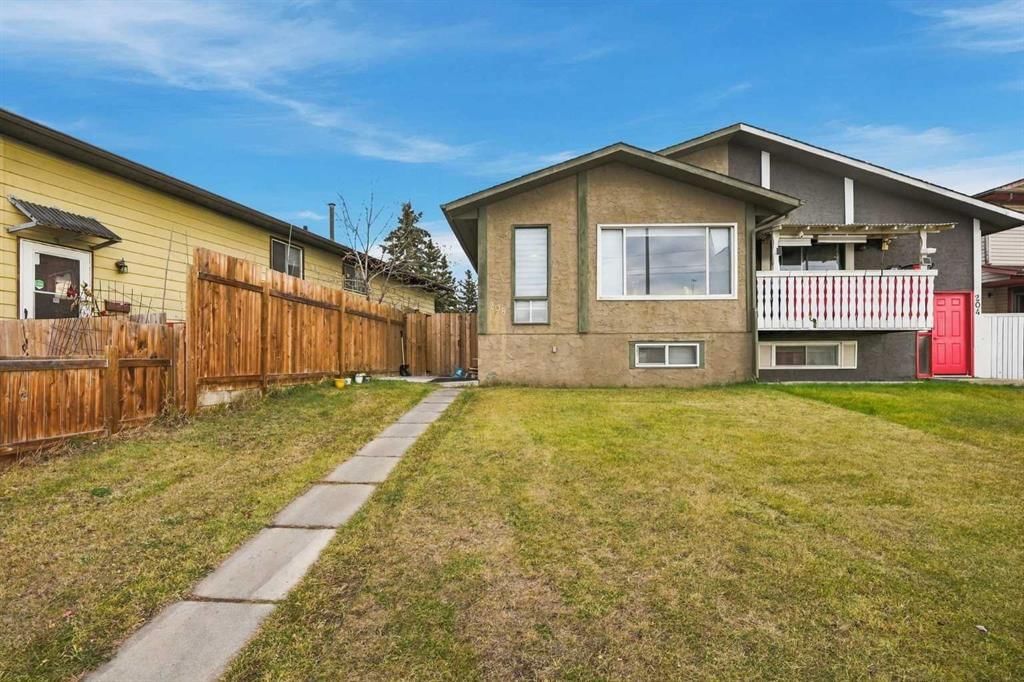
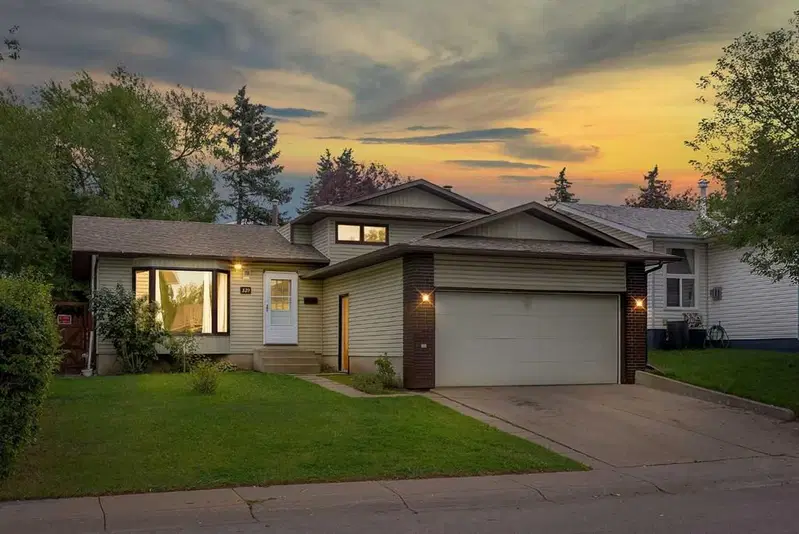
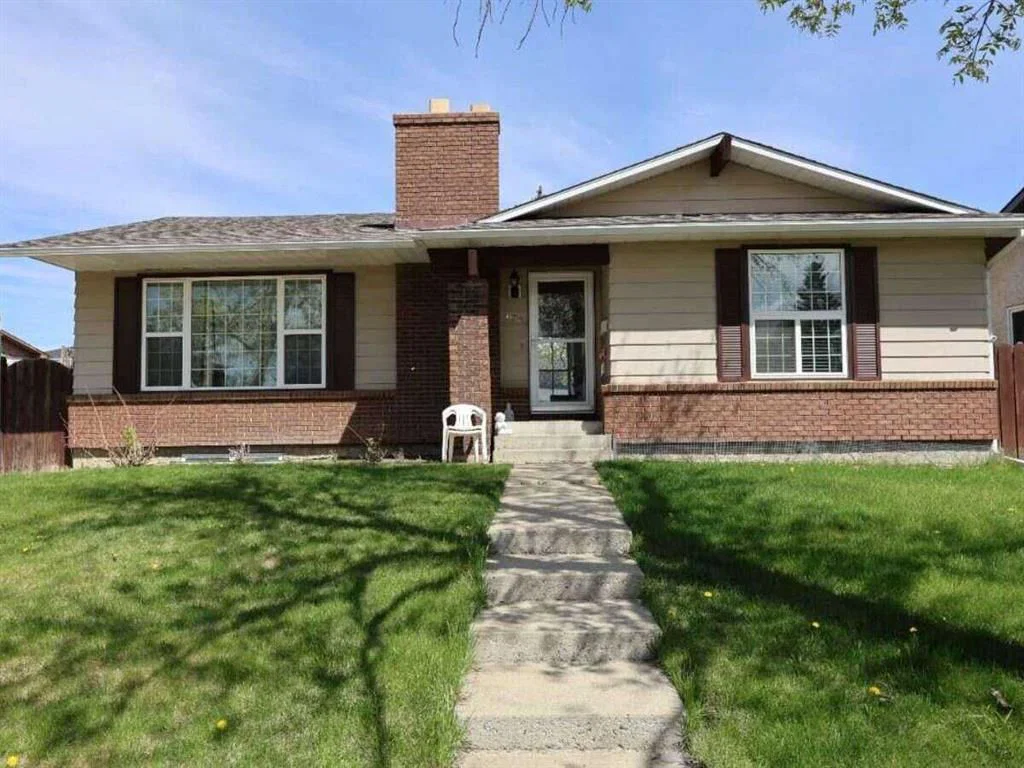
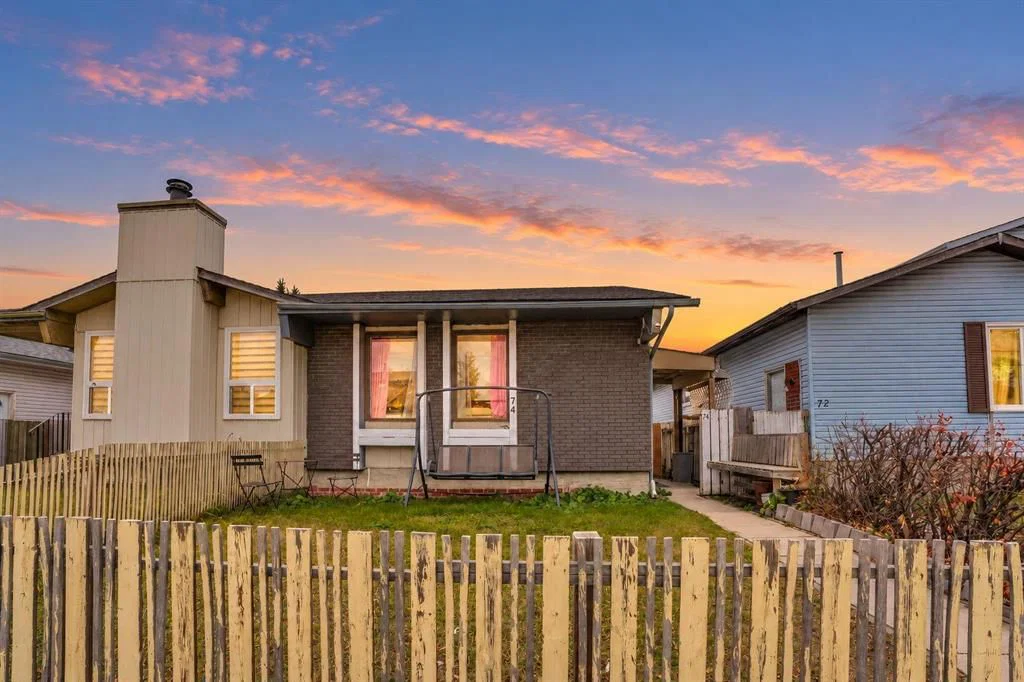
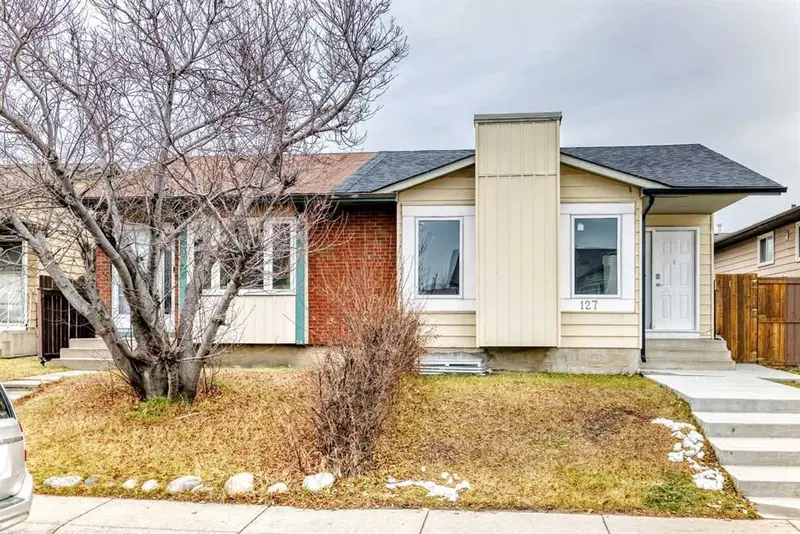
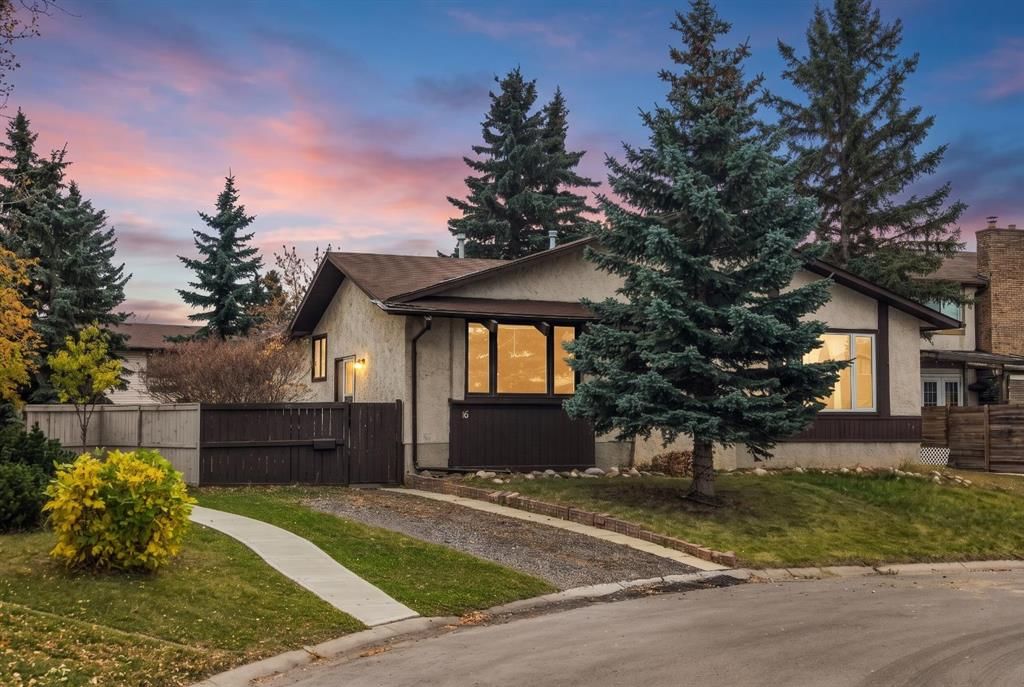


Summary
Whitehorn is an established 1970s-80s community in northeast Calgary with its own Blue Line LRT station and Peter Lougheed Centre at the southern edge. The page provides live MLS® data showing 28 active listings with a median list price of $437,400 and a median sold price of $514,000 over the last 90 days. It also includes community details on schools, commute times, census demographics, and market trends, along with buying and selling advice from Calgary Listings Group.
Key Facts
- Whitehorn has 28 active MLS® listings with a median active list price of $437,400.
- The median sold price in Whitehorn over the last 90 days is $514,000 based on 17 sales.
- The average days on market for sold homes in Whitehorn over the last 90 days is 27 days.
- North East Calgary's total residential benchmark price was $465,600 in October 2026, down 7.3% year over year.
- Detached homes in North East Calgary had 4.23 months of supply in October 2026, indicating buyer leverage.
- Whitehorn had 11,085 residents in 2021 with an average household size of 3.2 people.
- 66% of homes in Whitehorn were built before 1981.
- Whitehorn reported 183 indicator crimes from November 2025 to October 2026, a 25% increase year-over-year.
- The Whitehorn LRT provides an approximately 18-minute commute to downtown Calgary.
Frequently Asked Questions
Who are the best real estate agents for Whitehorn?
There is no official ranking of Whitehorn agents, and any agent calling themselves the best is offering an opinion rather than a fact. Judge instead on evidence: which streets they have actually sold on, whether they distinguish the station-walk blocks, the hospital-side streets, the northern crescents and the renovated tier rather than quoting one community figure, and whether the price they suggest is backed by closed sales rather than asking prices.
How do I know if an agent really knows Whitehorn?
Give them a question only local work answers — ask them what renovation actually separates the Whitehorn homes that sell quickly from the ones that sit. An agent who knows the community will answer with specifics and tell you where to verify it; one who does not will answer about Calgary generally.
What should I ask before listing a home in Whitehorn?
Ask three things: whether your home is in the renovated tier or the original tier, and which sales prove it; which closed comparable sales sit behind the price they are suggesting, not asking prices; and who will actually represent you. Under Alberta’s designated agency rules the individual REALTOR® represents you, not the brokerage, so ask who specifically will be on your file.
Is Whitehorn a good neighbourhood in Calgary?
Whitehorn is Rundle's northern twin — an established 1970s-80s community with its own Blue Line station and Peter Lougheed Centre at the southern edge. It suits transit commuters, health-care households, and value families who want anchors at honest prices.
Is Whitehorn affordable?
Yes — Whitehorn's overall 12-month median sold price is around $500,000, with detached homes near $555,000 and semi-detached/duplex homes near $388,500 — spanning townhomes through renovated family homes.
What types of homes are in Whitehorn?
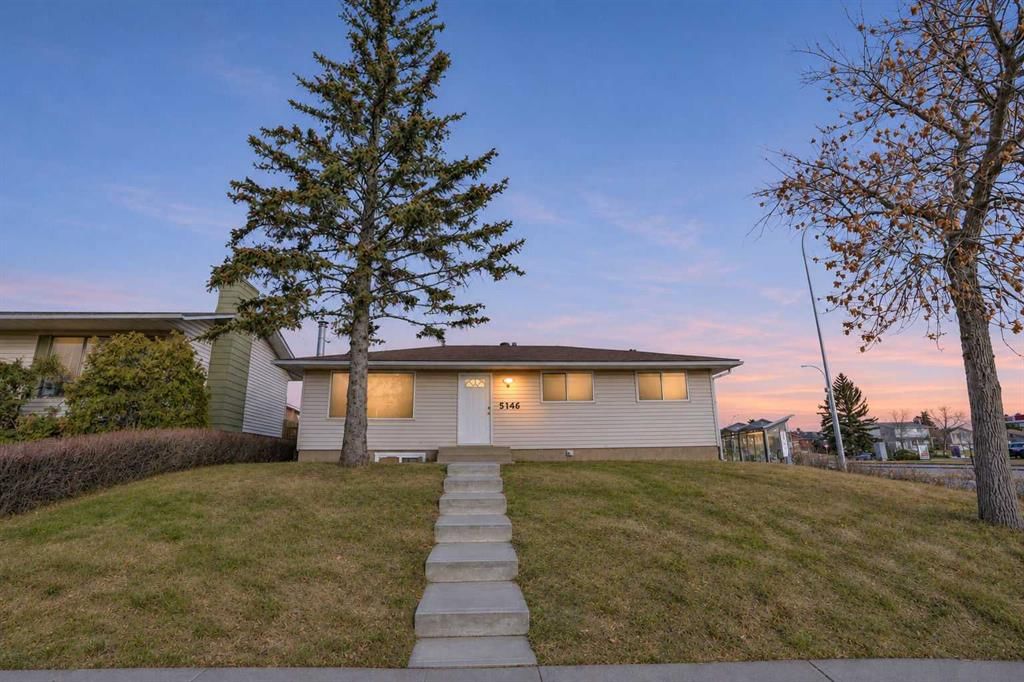
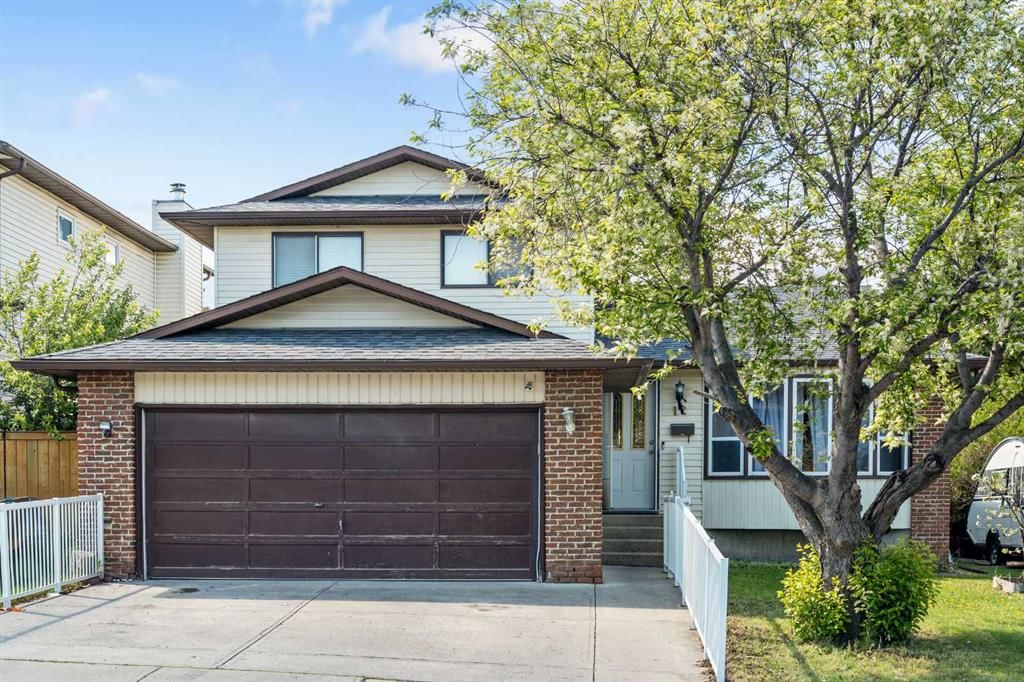
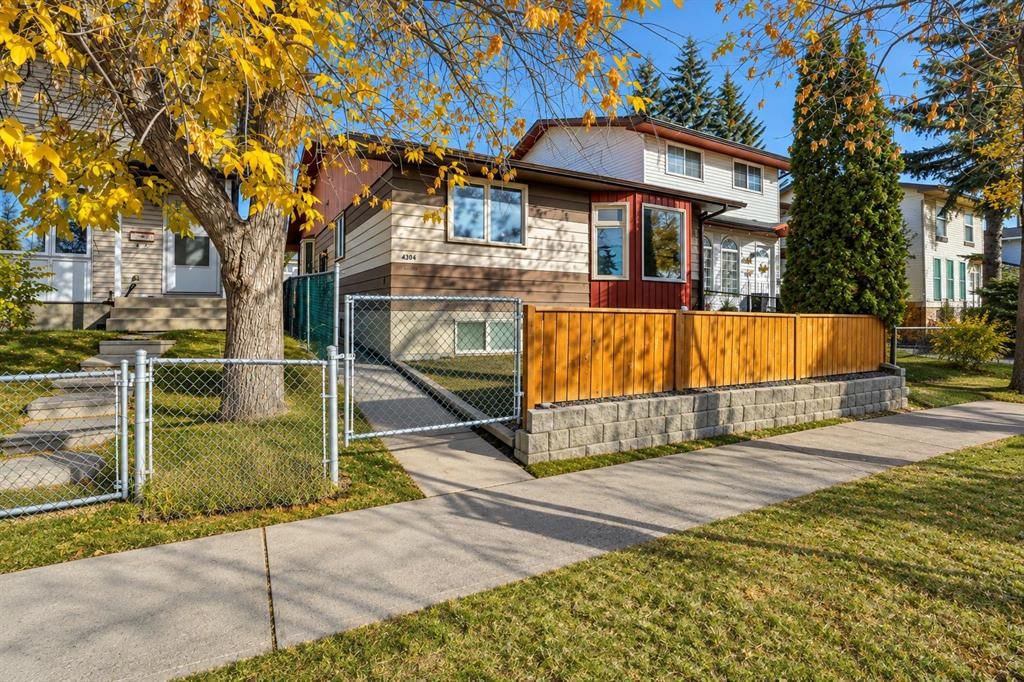
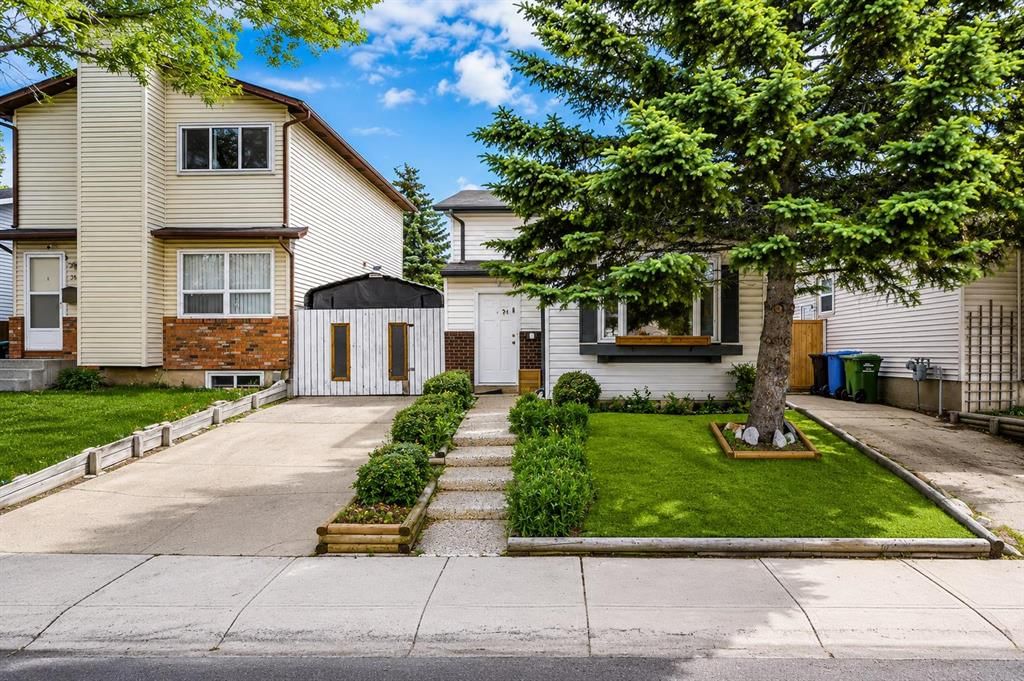
1970s-80s bungalows, bi-levels, and two-storeys with townhome rows toward the station and corridors.
Is Whitehorn good for families?
Yes — Colonel J. Fred Scott and Annie Gale serve the area with Catholic options close, and the wave pool sits one community south. Verify designations before purchasing.
What is special about Whitehorn's location?
The station-and-hospital pairing — Whitehorn LRT inside, Peter Lougheed at the edge — plus 36th Street’s services and McKnight’s airport run.
How far is Whitehorn from downtown Calgary?
About 18 minutes by LRT from the community’s own station, or 15 to 18 by car.
What should buyers know about Whitehorn?
Same craft as its twin — hospital and station blocks have their own rhythms, 70s-80s diligence applies, and the renovated spread is the negotiation.
Related Entities
- People
- Crystal Tost
- Companies
- Calgary Listings Group, Peter Lougheed Centre, Calgary Board of Education, Calgary Catholic School District, CREB®, Calgary Police Service
- Locations
- Whitehorn, Calgary, North East Calgary, Rundle, Temple, Pineridge, Marlborough, Castleridge, Sunridge Mall, Pacific Place, Village Square, Colonel J. Fred Scott School, Annie Gale School, Lester B. Pearson High School
- Technologies
- MLS®, Leaflet
Latest in Whitehorn Updated November 16, 2026
- Market PulseThe Whitehorn market this week: 30 homes on the market right now, median asking price $426,000, typical sale in about 32 days, 18 sales closed in the last 90 days.Nov 16
- New OpeningsRecently opened in Whitehorn: Huua (food spot, #1 5008 Whitehorn Dr Ne); Ezybento (food spot, #33 4525 52 St Ne).New
- Development25 building permits filed in Whitehorn — 9 for brand-new construction. Most recent new build: Garage at 3527 48 St Ne (applied Oct 29).Last 4 months
Whitehorn Homes for Sale
For buyers, Whitehorn offers a polished suburban lifestyle with a higher-end feel. For sellers, it is a neighbourhood where presentation, pricing strategy, property condition, and exposure matter because buyers are often comparing across several northeast Calgary communities at once.
At Calgary Listings Group, our team helps buyers and sellers understand not just what is available in Whitehorn, but how each property fits the market, the street, the resale picture, and the buyer's long-term goals.
What We’d Tell You Before You Buy in Whitehorn
Whitehorn is not a neighbourhood where you can judge value by square footage alone. Two homes can look similar online and feel completely different once you factor in the street, lot position, finish level, natural light, floor plan, basement development, garage setup, and resale picture.
If you are buying here, the real question is not just “is this a nice home?” It is “does this home make sense compared with what else has sold, what else is active, and what buyers will care about when you eventually sell?” That is where Whitehorn gets tricky — and where good advice matters.
Ask us to check the recent Whitehorn sold data, the competing listings, the street, the property type, and the resale story. A home can be beautiful and still be overpriced. It can also look ordinary online and be one of the better buys in the community. Ask us what we think before you offer →
What We’d Tell You Before You Sell in Whitehorn
Whitehorn buyers expect polish. That does not mean every home needs to be fully renovated, but it does need to feel clean, cared for, current, and properly positioned against the homes it is competing with.
The mistake sellers make in Whitehorn is assuming the community name will do all the work. It will not. Buyers at this level compare hard. They notice deferred maintenance, tired paint, weak photography, dated lighting, messy landscaping, and pricing that ignores recent sold data.
We would look at your exact pocket of Whitehorn, your property type, your condition, your competition, and the most recent solds before giving you a number. Neighbourhood averages are useful context, but they are not a pricing strategy. Get a Whitehorn pricing opinion →
What Makes Whitehorn Popular
Whitehorn runs the same winning formula as Rundle from the north side: its own Blue Line station, Peter Lougheed Centre at the southern edge, and 1970s-80s family streets at a median around $514,000 — anchors first, aesthetics second, arithmetic always.
What sets Whitehorn apart is the platform-to-price ratio: an 18-minute train replaces the commute, health-care shifts keep demand durable, and the lots still fit family life.
The craft is block rhythm — hospital and station streets run their own hours — plus standard vintage diligence. Colonel J. Fred Scott and Annie Gale serve the area; verify designations before you buy.
Types of Homes in Whitehorn
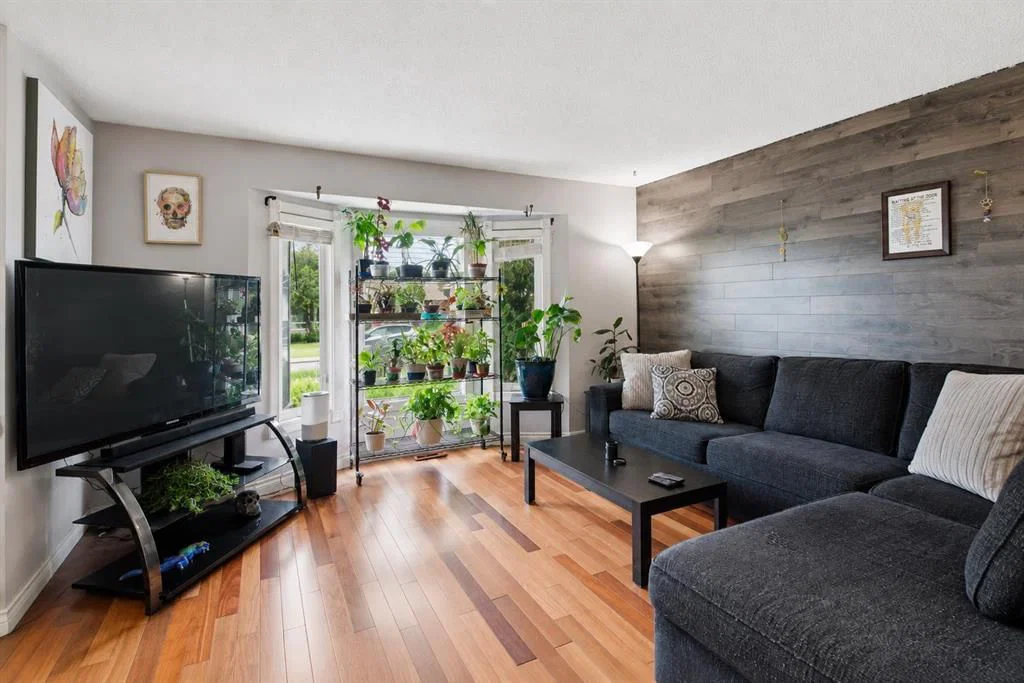
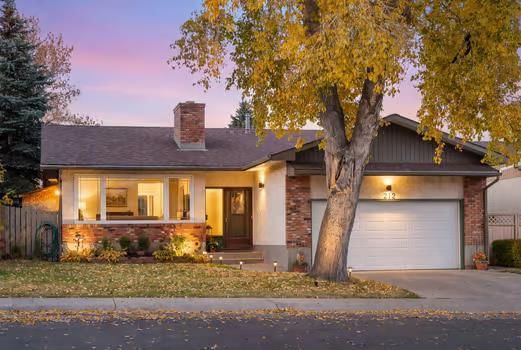
Whitehorn real estate includes a mix of detached homes, estate homes, luxury properties, townhomes, and condos. The detached market is especially important, but the community also has lower-maintenance options for buyers who want the location without the size or maintenance of a larger home.
Detached Homes
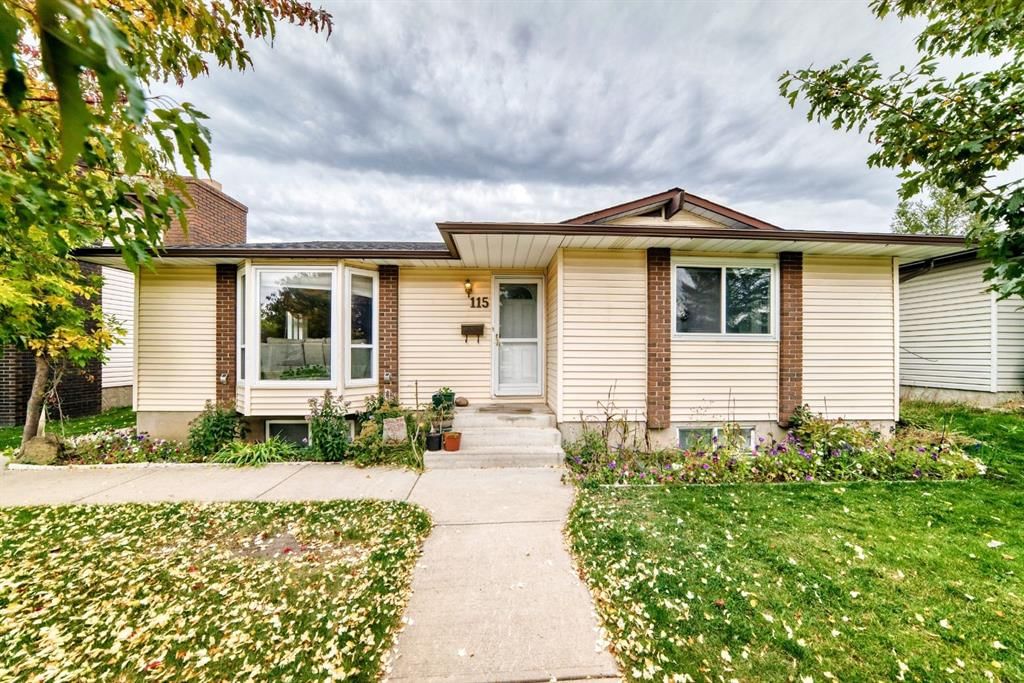
Detached homes in Whitehorn often appeal to move-up buyers, executive families, and relocation buyers. Many homes include front attached garages, larger floor plans, developed basements, and family-friendly layouts. Higher-end homes may include walkout basements, triple garages, mountain or valley views, custom finishing, and larger lots.
Browse Whitehorn detached homes →
Luxury Homes
Whitehorn's top end is its renovated two-storeys on the northern crescents — finished product trading on station-and-hospital adjacency against Rundle's southern streets. Luxury buyers will usually look closely at architecture, finish quality, lot placement, privacy, garage space, ceiling heights, kitchen design, outdoor living, and overall condition.
Townhomes
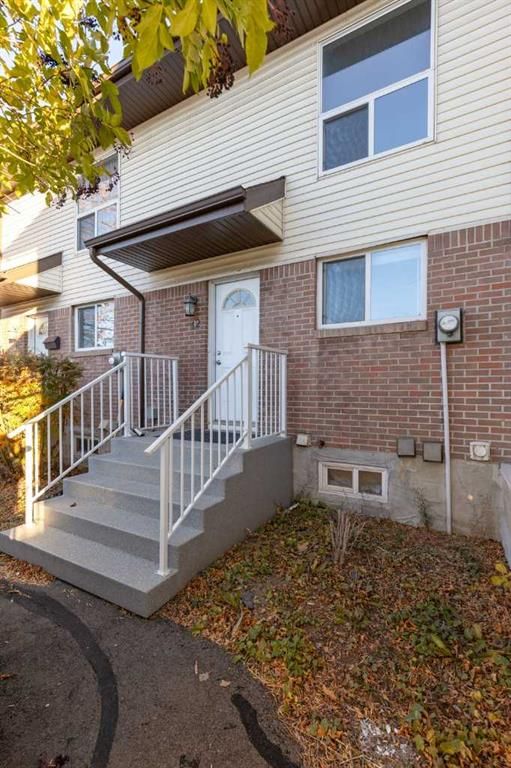
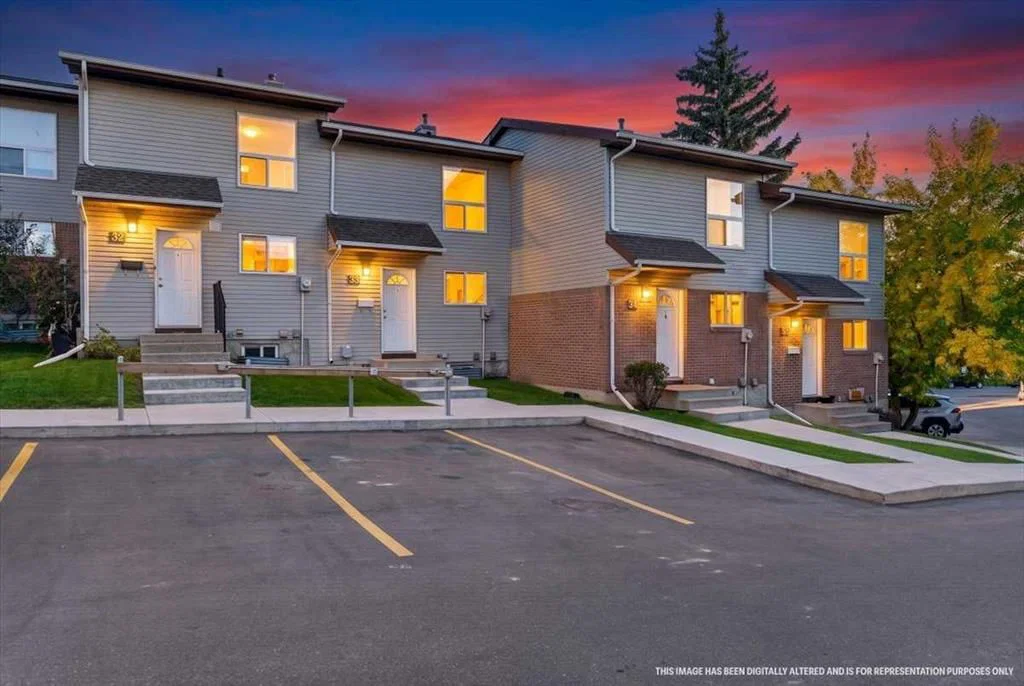
Townhomes in Whitehorn can be a strong fit for buyers who want the northeast location without a detached-home budget. They may appeal to professionals, downsizers, first-time move-up buyers, and families wanting access to the area's amenities. Buyers should review condo documents, reserve fund health, bylaws, parking, visitor parking, pet restrictions, and monthly condo fees before committing.
Condos
Whitehorn condos can provide a more affordable entry point into the neighbourhood. They may work well for singles, young professionals, investors, downsizers, or buyers who want a lock-and-leave lifestyle. Buyers should pay close attention to the building, management, condo fees, parking, storage, financials, and resale demand.
Where Whitehorn Buyers Should Be Careful
Not all homes in Whitehorn are equal. Buyers should look closely at exterior materials, roof age, window condition, mechanical systems, basement quality, grading, drainage, garage layout, and any signs of deferred maintenance.
For townhomes and condos, condo document review matters. Monthly fees, reserve fund planning, insurance costs, bylaws, pet restrictions, parking rules, and future capital work can all affect whether a property is a good purchase.
For luxury homes, buyers should not assume a high price automatically means high quality. Custom finishes, smart-home systems, landscaping, exterior envelope, renovation history, and maintenance records should all be reviewed carefully.
Living in Whitehorn
A good fit if you want
- Your own station — 18 minutes downtown
- The hospital at the edge
- Honest 70s-80s family lots
- Durable health-care demand
- The wave pool one community south
- Anchors that outlast trends
Maybe not the best fit if you want
- A polished streetscape
- New construction
- To skip vintage diligence
- Quiet at shift change everywhere
- Boutique character
Daily Life in Whitehorn
What does living here actually feel like, day to day? Here is the honest version, from a team that spends real time in this community.
The morning commute
Whitehorn LRT runs downtown in about 18 minutes, with Memorial and McKnight driving it in 15 to 18 and the airport 10 north.
The school run
Colonel J. Fred Scott and Annie Gale serve the area with Catholic options close. Verify designations for the exact address.
Groceries & errands
Sunridge Mall and the 36th Street corridor carry the essentials minutes south.
Coffee & eating out
Pacific Place’s grocers and the Castleridge homes for sale kitchen row split the flavour duties, each minutes away.
Walking, river & parks
Community parks and school fields inside, Village Square’s wave pool one community south, and Prairie Winds’ hills north.
Where traffic backs up
Being straight with you: 36th Street, McKnight, and shift changes carry the volume. The northern crescents stay calmer.
What weekends feel like
A train downtown, a Prairie Winds toboggan afternoon, a Pacific Place run — and the airport ten minutes for early flights. The twin that works.
Whitehorn Pocket by Pocket
Most community pages treat Whitehorn like one blob. It is not. Price, noise, walkability, and buyer competition change street by street — and knowing the pockets is where local advice earns its keep.
The northern crescents
Whitehorn’s calmer half — the family pick away from the anchors.
Best for: families wanting quietThe station-walk blocks
Minutes to the platform — the transit premium, honestly traded.
Best for: rail commutersThe hospital-side south
Steps from Peter Lougheed — durable demand, shift rhythm included.
Best for: health-care households & investorsThe renovated tier
Finished homes command the spread — price against real sales.
Best for: move-in-ready buyersThe original stock
Entry-priced bones on family lots.
Best for: renovatorsThe townhome rows
Attached entries toward the corridors — documents decide.
Best for: entry buyersRhythm check
Visit at shift change and rush hour — the anchors set the tempo block by block.
EveryoneSchools Near Whitehorn
School access is one of the major reasons many buyers consider Whitehorn. Distances and drive times below are measured from the community centre; every family should verify against the specific home address.
Colonel J. Fred Scott School Public (CBE)
Verify with the school →Annie Gale School Public (CBE)
Verify with the school →Lester B. Pearson High School Public (CBE)
Verify with the school →St. Wilfrid School Catholic (CCSD)
Verify with the school →School boundaries, transportation, admissions, and programming change. Verify directly with the Calgary Board of Education, the Calgary Catholic School District, and individual private or independent schools before purchasing.
Commute Times from Whitehorn
Estimated from the centre of the community in typical off-peak conditions — peak-hour trips run longer, especially eastbound on Bow Trail in the morning. Tap any card for live directions.
Highway 1 West (to the mountains)
1 hour 31 mins by transit
Whitehorn vs Nearby Communities
Many buyers considering Whitehorn are also looking at Rundle homes for sale, Temple homes for sale, Pineridge homes for sale, Marlborough homes for sale, and Castleridge homes for sale.
Whitehorn vs Rundle
The twins: Rundle sits closer to Sunridge; Whitehorn to the calmer north. Near-equivalent — the specific home decides. See our full Rundle guide →
Whitehorn vs Temple
Temple adds the wave-pool corner and McKnight run; Whitehorn adds the station inside. Corridor leans Temple; rail leans Whitehorn. See our full Temple guide →
Whitehorn vs Pineridge
Pineridge brings lower entries and the pool; Whitehorn brings the platform and hospital. Entry leans Pineridge; anchors lean Whitehorn. See our full Pineridge guide →
Whitehorn vs Marlborough
Two station originals: Marlborough has the mall inside; Whitehorn has the hospital beside. The anchors you use decide. See our full Marlborough guide →
Buying a Home in Whitehorn
Buying in Whitehorn requires more strategy than simply watching new listings. Desirable homes can move quickly, but overpriced homes can sit. The key is knowing the difference.
Our team helps buyers compare homes by location within the community, street and lot quality, property type, floor plan, finish level, basement development, garage configuration, renovation quality, school and commute needs, resale potential, condo document concerns where applicable, and current market competition.
We also help buyers decide when to move quickly and when to negotiate. That judgment matters in Whitehorn because price ranges, buyer expectations, and property quality can vary dramatically.
Selling a Home in Whitehorn
Selling in Whitehorn requires strong positioning. Buyers in this area expect quality, and they are usually comparing your home against other northeast options.
Before listing, sellers should pay attention to paint and presentation, lighting, staging, landscaping, clean windows, flooring condition, kitchen and bathroom presentation, mechanical maintenance, exterior curb appeal, professional photography and video, and accurate pricing based on property type — not just neighbourhood average.
Wondering what your Whitehorn home would compete against?
Get a Whitehorn Home Value ReviewChoosing an Agent for Whitehorn
Whitehorn is 1970s and 1980s family streets with its own LRT station and a major hospital at its southern edge. Homes here have been closing above the level of the standing inventory, which usually means the presentable ones go and the rest sit — and the difference between the two is mostly mechanical.
These four questions separate an agent who knows Whitehorn from one who knows Calgary generally.
- Why is Whitehorn closing above what is currently listed? That gap normally means renovated and well-presented homes are trading while tired ones accumulate. Ask which recent Whitehorn sales moved fast and what specifically had been done to them.
- If this Whitehorn home has a suite, is it legal, permitted and registered? A separate entrance, a second kitchen or a long-standing tenant are not proof of an approved suite. Ask for the development and building permits and the City’s registry record in writing before you value any rental income.
- What did the era of this Whitehorn house use, and what will an insurer say? Homes from this period in Calgary can carry aluminum branch wiring, polybutylene supply lines and asbestos-containing materials in pre-1990 finishes, and the first two affect insurability. Ask what has been replaced and get a written coverage position.
- How does the hospital shift pattern reach this specific Whitehorn block? Streets near Peter Lougheed run on a different daily rhythm of traffic and parking than the northern crescents. Ask to see the block at a shift change rather than at midday.
Where we stand. We have closed sales in Whitehorn, though it is not one of the communities we work most — and we would rather say that than dress it up. What we bring here is the market knowledge above and a straight answer about your specific street. Crystal Tost has been licensed in Alberta since 1997 and Calgary Listings Group is a team of 4 REALTORS® today, and the record spans the team over time.
Why Work With Calgary Listings Group
Our Calgary Listings Group team brings deep Calgary market experience, strong buyer and seller strategy, and a straightforward approach to real estate advice. We are not here to push every home as a good home. We are here to help clients make smart decisions.
For buyers, that means helping you understand value, risk, location, condition, and resale before you write an offer.
For sellers, that means honest pricing advice, strong preparation, professional marketing, and positioning your home properly in a competitive market.
Predicted Growth in Whitehorn
The City of Calgary projects population change from a 2014 baseline through 2042, compared against the city-wide average. Higher growth relative to Calgary overall signals increasing demand for housing in this area.
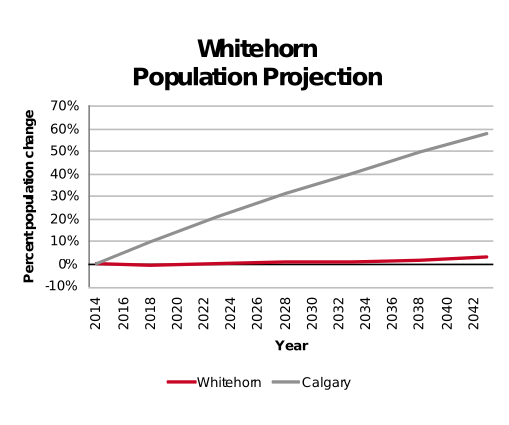
Source: City of Calgary Community Profiles — 2021 Census of Canada projections
Whitehorn Community Profile & Census Data
A look at who lives here
In 2021, Whitehorn had 11,085 residents in private households — 19% aged 0 to 14 (close to Calgary’s 18%), 66% aged 15 to 64, and 15% aged 65 and over. Its 3,465 households average 3.2 people against Calgary’s 2.6 — 16% are one-person households and 39% have four or more people. Of 2,905 census families, 81% are couple families, with married couples with children representing 48%; one-parent families account for 19%.
Ownership & the housing mix
Housing tenure runs 71% owner to 29% renter, close to Calgary’s 69/31 split. The dwelling mix is led by single-detached (64%), semi-detached (16%), duplex (11%). It is an established community — 66% of dwellings were built before 1981, so vintage, renovation history, and mechanical updates matter when comparing homes. Condition data shows 95% of dwellings need only regular maintenance or minor repairs, and 91% of households are suitable for the number of residents.
Shelter costs & income
Median monthly shelter costs were $1,300 for owned dwellings and $1,300 for rented, versus Calgary’s $1,720 and $1,350. About 20% of households spent 30% or more of income on shelter (Calgary: 23%). Median household income was $88,000 in 2020 against $98,000 city-wide.
Education & work
Among residents 15 and over, 45% hold a post-secondary credential and 20% hold a university degree at bachelor level or above, versus 61% and 36% across Calgary. The labour force participation rate was 61%, employment 52%, and unemployment 16%. Top industries: Retail trade (16%); Health care and social assistance (15%); Transportation and warehousing (13%). Top occupation groups: Sales and service occupations (32%); Trades, transport and equipment operators and related occupations (23%); Business, finance and administration occupations (15%).
Getting to work
72% of commuters drive, 15% use public transit, and 2% walk — against Calgary’s 77% driving, 9% transit, and 4% walking. Commute times: 23% under 15 minutes, 43% at 15–29 minutes, and 23% at 30–44 minutes.
Languages, newcomers & mobility
56% of residents speak English most often at home (Calgary: 75%), with Punjabi (Panjabi) and Filipino) the most common non-official home languages. In 2021, 49% of residents were immigrants, compared with 33% across Calgary — neutral demographic context from the census. On mobility, 11% of residents had moved in the year before the census and 34% within five years (Calgary: 42%) — a read on how settled the community is and how much resale turnover to expect.
What it means for buyers & sellers
Taken together, the census shows an established, mixed community — useful long-term context for weighing Whitehorn against its neighbours, alongside the live market data higher on this page.
Source: The City of Calgary Community Profiles — Whitehorn, based on the 2021 Census of Canada. Numbers may vary slightly between census tables due to rounding. Census data is long-term context; verify current market conditions against live MLS® data.