Latest in Glendale
Glendale Homes for Sale
For buyers, Glendale offers a polished suburban lifestyle with a higher-end feel. For sellers, it is a neighbourhood where presentation, pricing strategy, property condition, and exposure matter because buyers are often comparing across several premium west-side communities at once.
At CalgaryListings Group, our team helps buyers and sellers understand not just what is available in Glendale, but how each property fits the market, the street, the resale picture, and the buyer's long-term goals.
What We’d Tell You Before You Buy in Glendale
Glendale is not a neighbourhood where you can judge value by square footage alone. Two homes can look similar online and feel completely different once you factor in the street, lot position, finish level, natural light, floor plan, basement development, garage setup, and resale picture.
If you are buying here, the real question is not just “is this a nice home?” It is “does this home make sense compared with what else has sold, what else is active, and what buyers will care about when you eventually sell?” That is where Glendale gets tricky — and where good advice matters.
Ask us to check the recent Glendale sold data, the competing listings, the street, the property type, and the resale story. A home can be beautiful and still be overpriced. It can also look ordinary online and be one of the better buys in the community. Ask us what we think before you offer →
What We’d Tell You Before You Sell in Glendale
Glendale buyers expect polish. That does not mean every home needs to be fully renovated, but it does need to feel clean, cared for, current, and properly positioned against the homes it is competing with.
The mistake sellers make in Glendale is assuming the community name will do all the work. It will not. Buyers at this level compare hard. They notice deferred maintenance, tired paint, weak photography, dated lighting, messy landscaping, and pricing that ignores recent sold data.
We would look at your exact pocket of Glendale, your property type, your condition, your competition, and the most recent solds before giving you a number. Neighbourhood averages are useful context, but they are not a pricing strategy. Get an Glendale pricing opinion →
What Makes Glendale Popular
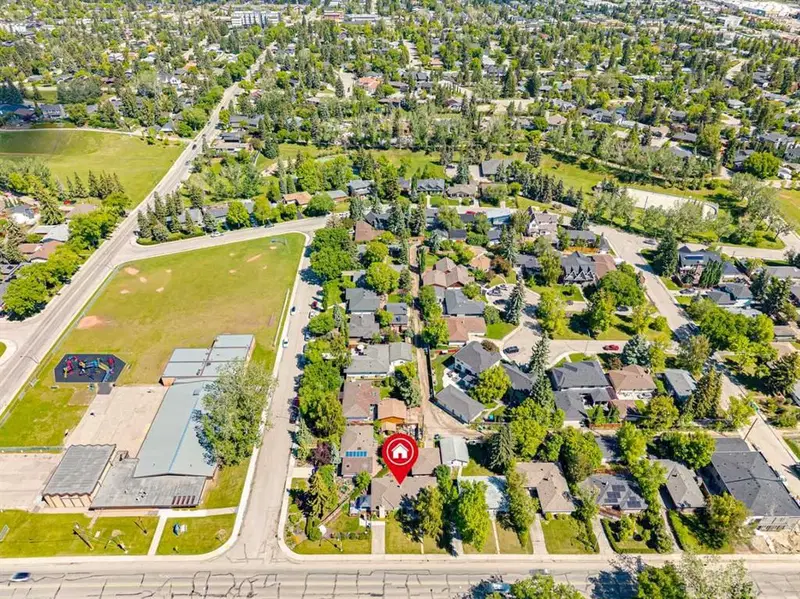
Glendale is what people mean when they say a community has kept its soul: a 1950s grid under a genuine elm canopy, organized around Turtle Park — concrete turtle and all — with the hall, rink, and sports courts still doing what they were built to do. Hosting one of the west side’s most intact mid-century atmospheres has quietly made it one of its most wanted addresses.
The practical case is just as strong: the 45 Street CTrain station sits at the community’s northeast corner — walkable LRT is rare currency among 1950s communities — downtown runs about 18 minutes by car, and Westside Recreation Centre and the Westhills retail are minutes west.
For families, Glendale School sits inside the community, A.E. Cross School is three minutes out, Holy Name School offers a Catholic French-immersion option nearby, and Ernest Manning and Central Memorial split the high-school geography. Verify designations before you buy.
Types of Homes in Glendale
Glendale real estate includes a mix of detached homes, estate homes, luxury properties, townhomes, and condos. The detached market is especially important, but the community also has lower-maintenance options for buyers who want the location without the size or maintenance of a larger home.
Detached Homes
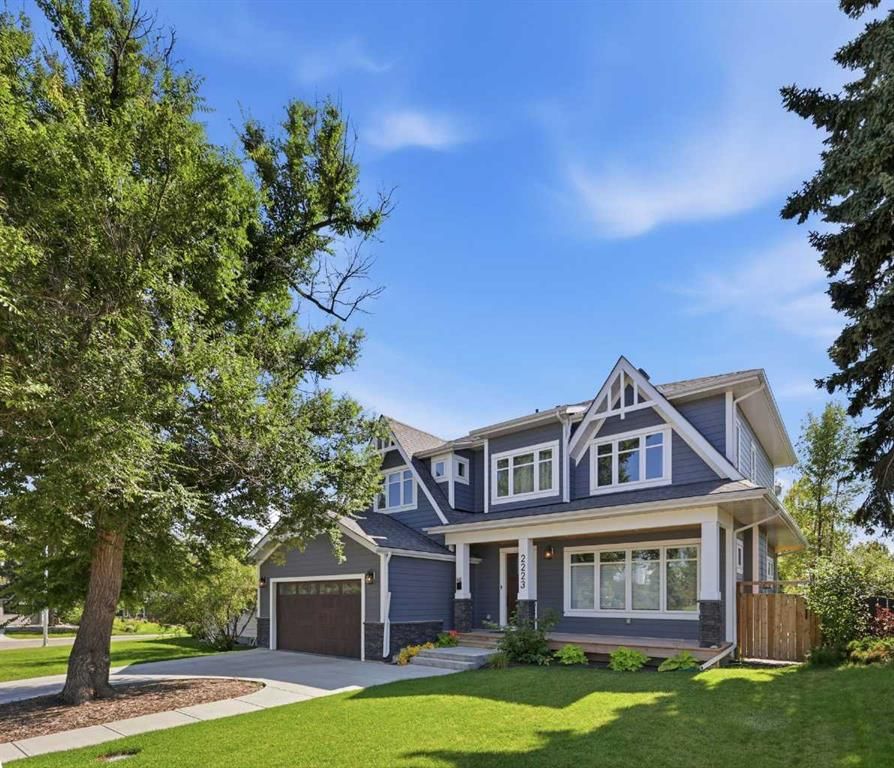
Detached homes in Glendale often appeal to move-up buyers, executive families, and relocation buyers. Many homes include front attached garages, larger floor plans, developed basements, and family-friendly layouts. Higher-end homes may include walkout basements, triple garages, mountain or valley views, custom finishing, and larger lots.
Browse Glendale detached homes →
Luxury Homes
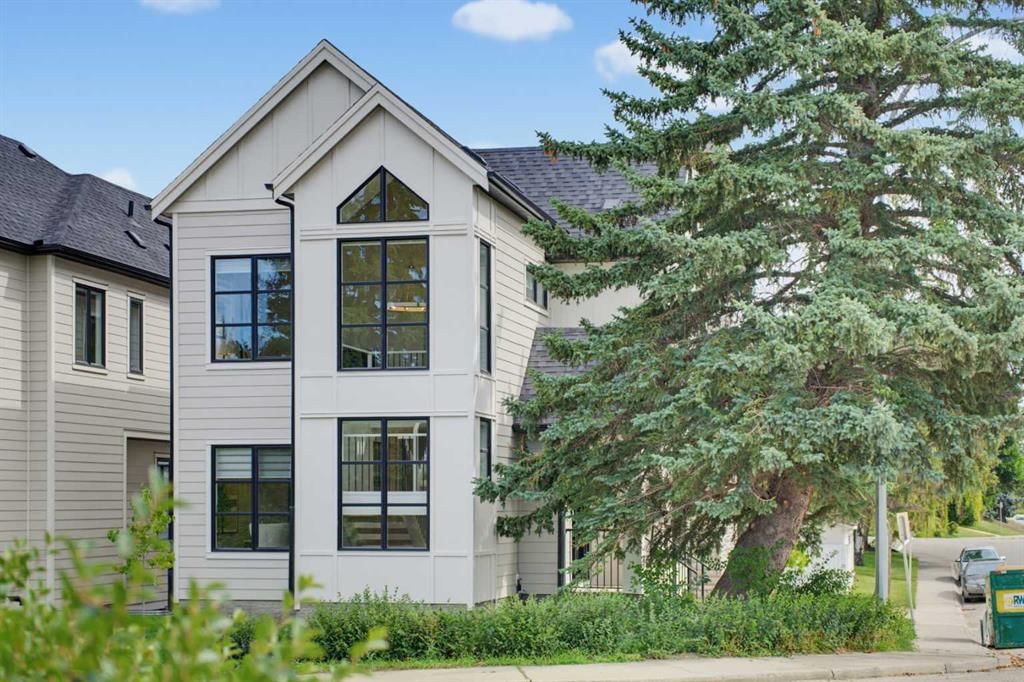
Glendale's top end is its full rebuilds and executive infills on the elm streets — homes pushing past $1.5 million that trade on canopy, lot, and Turtle Park proximity against Killarney's best and the inner west. Luxury buyers will usually look closely at architecture, finish quality, lot placement, privacy, garage space, ceiling heights, kitchen design, outdoor living, and overall condition.
Townhomes
Townhomes in Glendale can be a strong fit for buyers who want the west-side location without a detached-home budget. They may appeal to professionals, downsizers, first-time move-up buyers, and families wanting access to the area's amenities. Buyers should review condo documents, reserve fund health, bylaws, parking, visitor parking, pet restrictions, and monthly condo fees before committing.
Condos
Glendale condos can provide a more affordable entry point into the neighbourhood. They may work well for singles, young professionals, investors, downsizers, or buyers who want a lock-and-leave lifestyle. Buyers should pay close attention to the building, management, condo fees, parking, storage, financials, and resale demand.
Where Glendale Buyers Should Be Careful
Not all homes in Glendale are equal. Buyers should look closely at exterior materials, roof age, window condition, mechanical systems, basement quality, grading, drainage, garage layout, and any signs of deferred maintenance.
For townhomes and condos, condo document review matters. Monthly fees, reserve fund planning, insurance costs, bylaws, pet restrictions, parking rules, and future capital work can all affect whether a property is a good purchase.
For luxury homes, buyers should not assume a high price automatically means high quality. Custom finishes, smart-home systems, landscaping, exterior envelope, renovation history, and maintenance records should all be reviewed carefully.
Living in Glendale
A good fit if you want
- An elm-lined street with a real community centre
- The Blue Line within walking distance
- Generous 1950s lots with renovation upside
- Turtle Park, the rink, and after-dinner strolls
- Schools inside and beside the community
- Character that newer suburbs cannot copy
Maybe not the best fit if you want
- Deep condo or townhome selection
- New construction on every block
- Executive square footage without a rebuild
- A restaurant main street inside the community
- The lowest price point in the quadrant
Daily Life in Glendale
What does living here actually feel like, day to day? Here is the honest version, from a team that spends real time in this community.
The morning commute
The 45 Street station at the northeast corner puts downtown about 20 minutes away by train — no parking math required — while Bow Trail and 17th Avenue run it in about 18 by car. Sarcee connects everything else.
The school run
Glendale School is inside the community — a walk for most of the grid — with A.E. Cross three minutes out and Holy Name’s French immersion four. Bell times and Turtle Park pickups set the daily rhythm.
Groceries & errands
Westbrook Mall and the 17th Avenue strip sit just north, Westhills and Signal Hill Centre are about seven minutes southwest, and the daily stops scatter along 37th Street. Nothing on the list takes ten minutes.
Coffee & eating out
The 17th Avenue and Westbrook corridor catches most meals out, with Westhills’ row and cinema a few minutes on. Glendale itself stays purely residential — by design and by preference.
Walking & play
Turtle Park is the community’s living room — playground, sports courts, rink ice in winter, and the turtle presiding over all of it — while the elm canopy makes even errand walks pleasant. Edworthy Park and the river paths are minutes north.
Where traffic backs up
Being straight with you: 17th Avenue carries the community’s northern edge, Sarcee hums on the west, and 45th Street moves at peak. The interior grid is as quiet as 1950s planning intended.
What weekends feel like
Rink skates or court games at Turtle Park, a walked errand loop, Edworthy’s river paths — and the standing west-side offer of Highway 1 west when the mountains call. Unhurried, neighbourly, and slightly smug about the elms.
Glendale Pocket by Pocket
Most community pages treat Glendale like one blob. It is not. Price, noise, walkability, and buyer competition change street by street — and knowing the pockets is where local advice earns its keep.
The Turtle Park core
The blocks around the park, hall, and rink are the community’s heart and carry a genuine premium — the after-school scene happens within sight of the kitchen window.
Best for: park-first familiesTurtle Hill & the high ground
The community’s elevated streets catch downtown-skyline glimpses and the best light — and their rebuilds set Glendale’s price ceiling. Verify any view claim from the property itself.
Best for: view & rebuild buyersThe station corner
The northeast blocks put the 45 Street CTrain inside a walk — rare currency in a 1950s community. The trade is more activity along 45th Street and 17th Avenue; interior-facing homes here can be smart buys.
Best for: commutersThe original bungalow grid
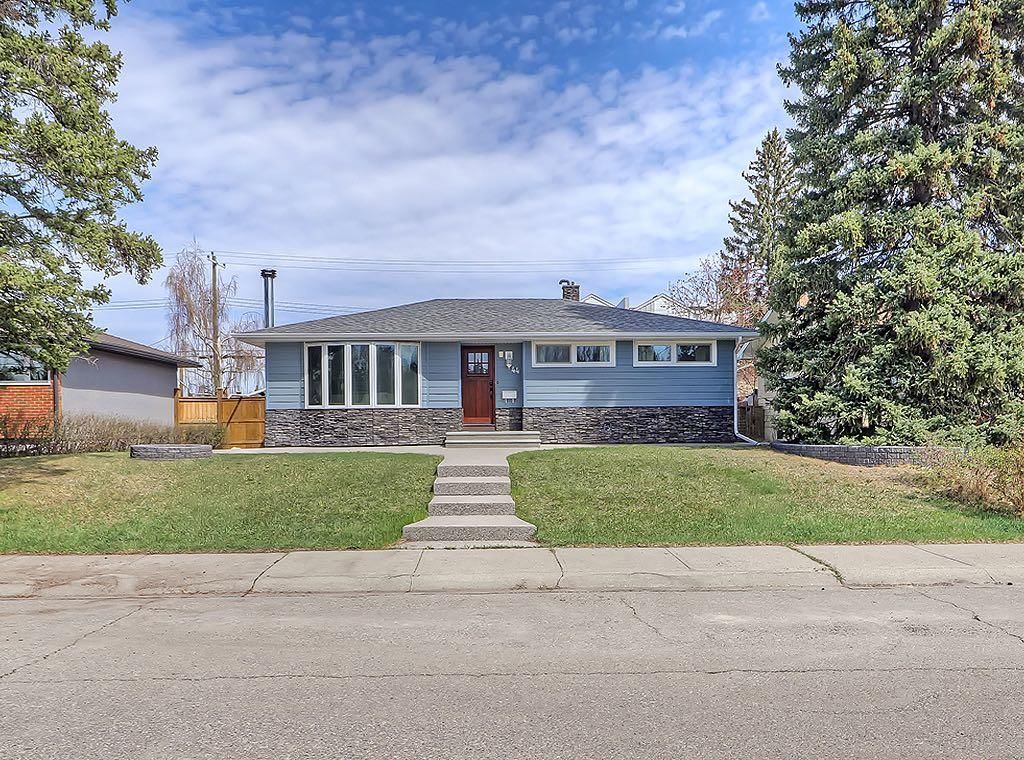
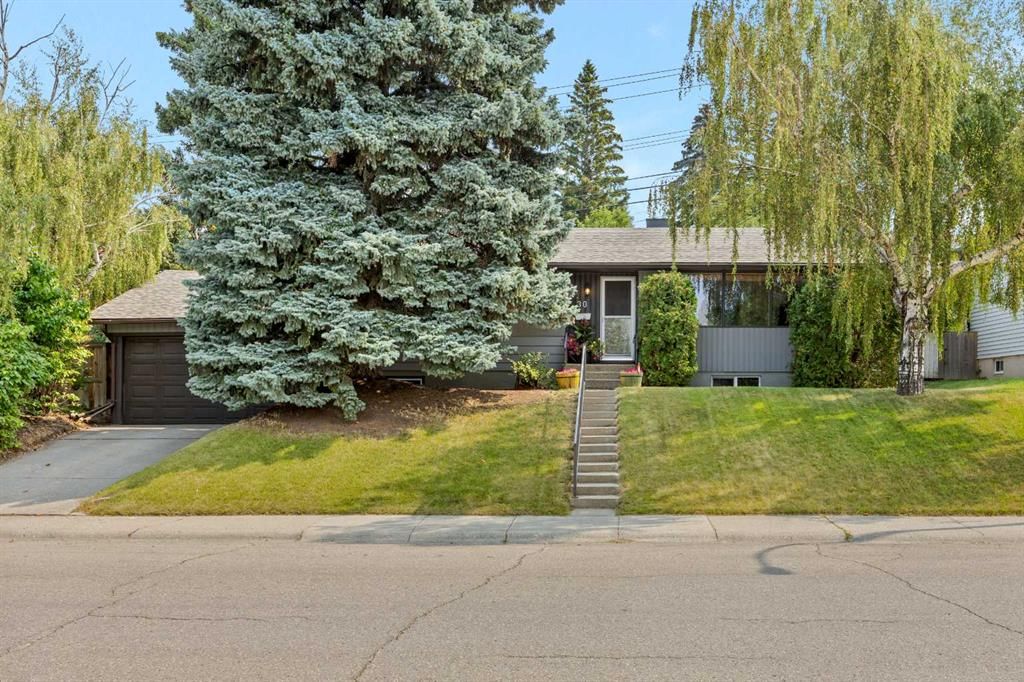
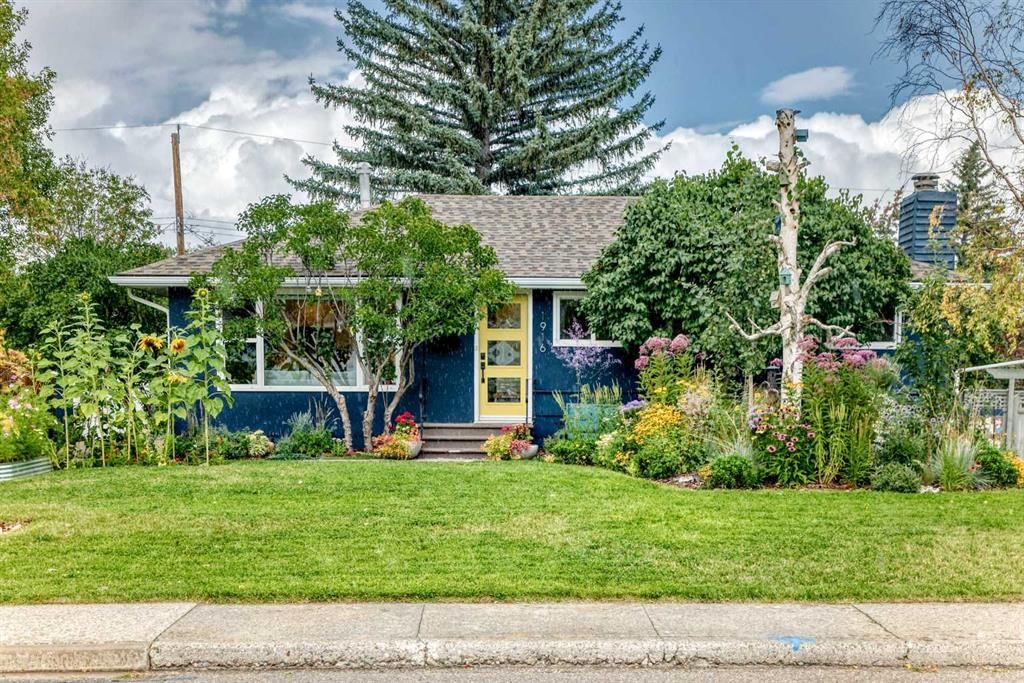
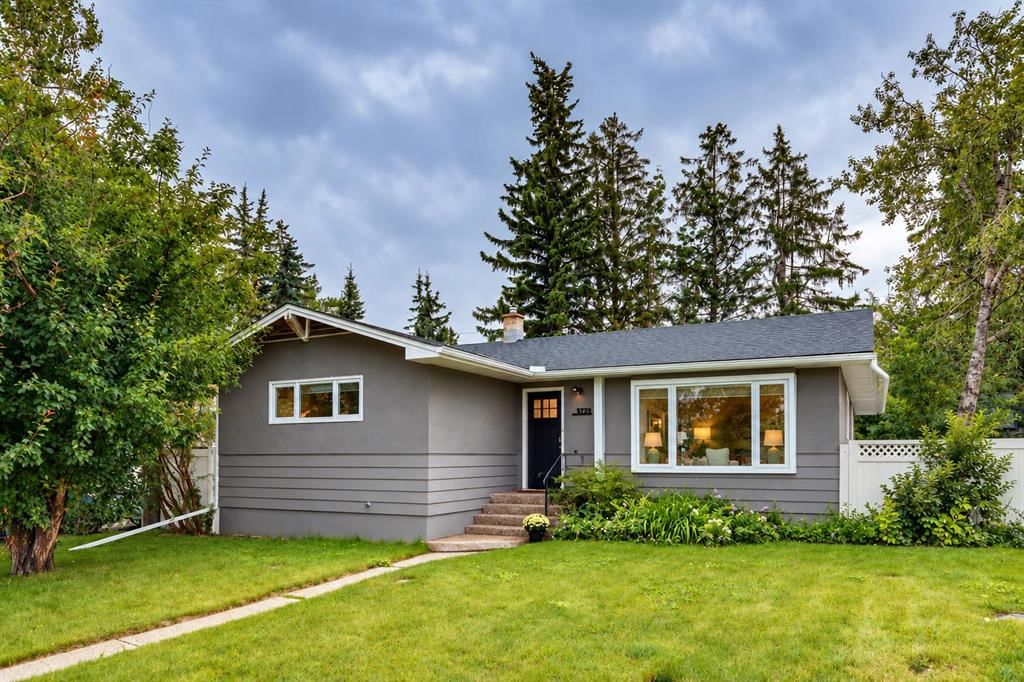
The heart of the inventory: generous lots, elm canopy, and renovation vintage deciding six-figure gaps between neighbours. Land value keeps the floor; the canopy keeps the demand.
Best for: renovators & value buyersThe infill arrivals
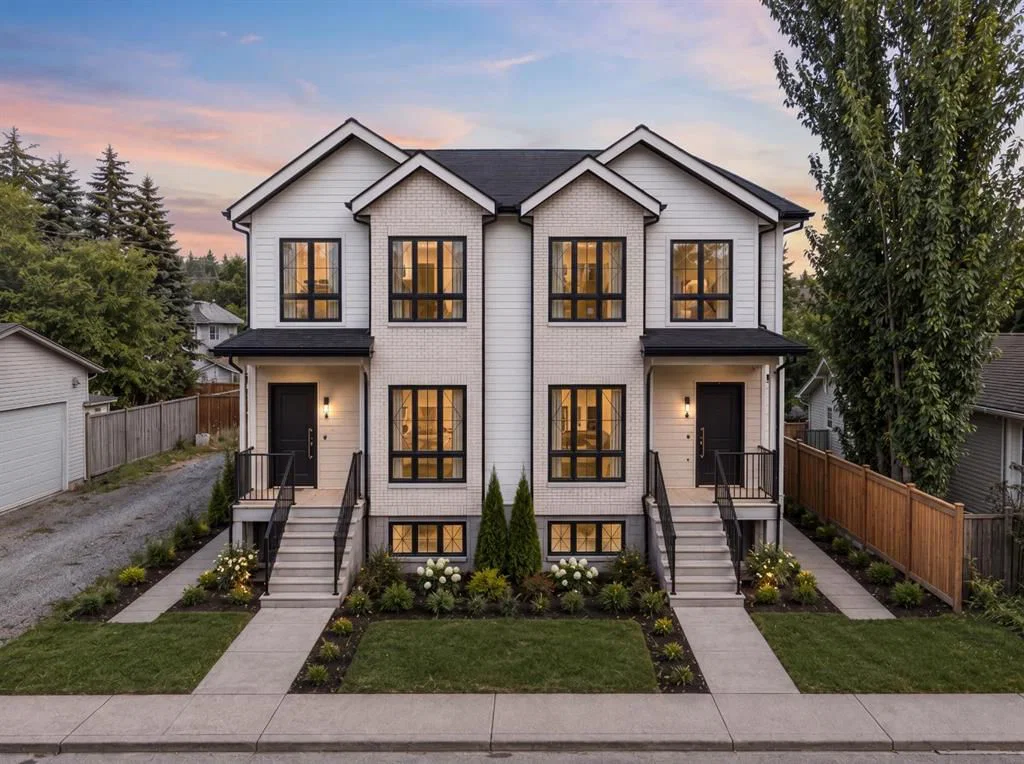
New semi-detached and detached builds are landing street by street — fewer than in Killarney or Glenbrook, which keeps the streetscape intact and the new product scarce enough to command premiums.
Best for: new-build buyersThe Sarcee edge
The western boundary carries road hum and, in exchange, the fastest exits west — Sarcee to Highway 1 and the mountains. Orientation and fencing matter house by house.
Best for: mountain-weekend householdsInterior streets vs. the edges
Glendale’s interior is among the quietest grid anywhere on the west side; 17th Avenue, 45th Street, and Sarcee carry everything else. Walk the street at peak hour before writing an offer.
EveryoneSchools Near Glendale
School access is one of the major reasons many buyers consider Glendale. Distances and drive times below are measured from the community centre; every family should verify against the specific home address.
School boundaries, transportation, admissions, and programming change. Verify directly with the Calgary Board of Education, the Calgary Catholic School District, and individual private or independent schools before purchasing.
Commute Times from Glendale
Estimated from the centre of the community in typical off-peak conditions — peak-hour trips run longer, especially eastbound on Bow Trail in the morning. Tap any card for live directions.
Glendale vs Nearby Communities
Many buyers considering Glendale are also looking at Glenbrook homes for sale, Killarney, Wildwood homes for sale, Westgate homes for sale, Glamorgan homes for sale, and Rosscarrock homes for sale.
Glendale vs Glenbrook
Neighbours and frequent shortlist-mates. Glenbrook offers more inventory, more infill choice, and friendlier entries; Glendale answers with Turtle Park, the CTrain corner, and a more intact streetscape. Character leans Glendale; options lean Glenbrook. See our full Glenbrook guide →
Glendale vs Killarney
Killarney is deeper into the infill cycle with 17th Avenue energy and higher density; Glendale trades that momentum for elms, lots, and quiet. Buyers wanting the finished infill product lean Killarney; buyers wanting the canvas lean Glendale.
Glendale vs Wildwood
Wildwood brings the Douglas Fir Trail and Edworthy Park at its doorstep with a similar vintage; Glendale counters with its park-hall-rink centre and the CTrain corner. Two of the west side’s most loved 1950s grids — river access versus community core.
Glendale vs Glamorgan
Glamorgan delivers the same era at friendlier prices with MRU and Westhills logic; Glendale carries the premium for its canopy, park, and train. Value buyers lean Glamorgan; character buyers pay the Glendale difference knowingly. See our full Glamorgan guide →
Buying a Home in Glendale
Buying in Glendale requires more strategy than simply watching new listings. Desirable homes can move quickly, but overpriced homes can sit. The key is knowing the difference.
Our team helps buyers compare homes by location within the community, street and lot quality, property type, floor plan, finish level, basement development, garage configuration, renovation quality, school and commute needs, resale potential, condo document concerns where applicable, and current market competition.
We also help buyers decide when to move quickly and when to negotiate. That judgment matters in Glendale because price ranges, buyer expectations, and property quality can vary dramatically.
Selling a Home in Glendale
Selling in Glendale requires strong positioning. Buyers in this area expect quality, and they are usually comparing your home against other west-side options.
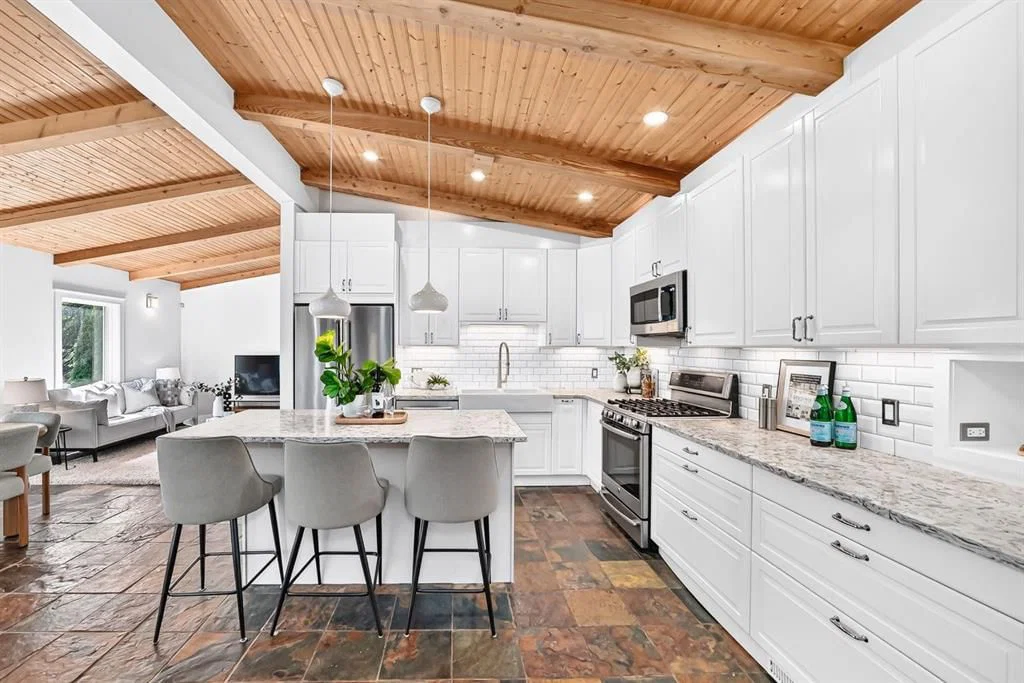
Before listing, sellers should pay attention to paint and presentation, lighting, staging, landscaping, clean windows, flooring condition, kitchen and bathroom presentation, mechanical maintenance, exterior curb appeal, professional photography and video, and accurate pricing based on property type — not just neighbourhood average.
Wondering what your Glendale home would compete against?
Get an Glendale Home Value ReviewWhy Work With CalgaryListings Group
Our CalgaryListings Group team brings deep Calgary market experience, strong buyer and seller strategy, and a straightforward approach to real estate advice. We are not here to push every home as a good home. We are here to help clients make smart decisions.
For buyers, that means helping you understand value, risk, location, condition, and resale before you write an offer.
For sellers, that means honest pricing advice, strong preparation, professional marketing, and positioning your home properly in a compe
The City of Calgary projects population change from a 2014 baseline through 2042, compared against the city-wide average. Higher growth relative to Calgary overall signals increasing demand for housing in this area. Source: City of Calgary Community Profiles — 2021 Census of Canada projectionsPredicted Growth in Glendale
Glendale Community Profile & Census Data
A look at who lives here
In 2021, Glendale had 2,715 residents in private households — 16% aged 0 to 14 (close to Calgary’s 18%), 66% aged 15 to 64, and 18% aged 65 and over. Its 1,075 households average 2.5 people against Calgary’s 2.6 — 24% are one-person households and 24% have four or more people. Of 785 census families, 92% are couple families, with married couples with children representing 45%; one-parent families account for 7%.
Ownership & the housing mix
Housing tenure runs 77% owner to 23% renter, well above Calgary’s 69/31 split. The dwelling mix is led by single-detached (84%), high-rise apartment (10%). It is an established community — 88% of dwellings were built before 1981, so vintage, renovation history, and mechanical updates matter when comparing homes. Condition data shows 95% of dwellings need only regular maintenance or minor repairs, and 97% of households are suitable for the number of residents.
Shelter costs & income
Median monthly shelter costs were $1,220 for owned dwellings and $1,220 for rented, versus Calgary’s $1,720 and $1,350. About 19% of households spent 30% or more of income on shelter (Calgary: 23%). Median household income was $117,000 in 2020 against $98,000 city-wide, and median individual income was $48,000 versus $44,400. 20% of households earned $200,000 or more.
Education & work
Among residents 15 and over, 68% hold a post-secondary credential and 40% hold a university degree at bachelor level or above, versus 61% and 36% across Calgary. The labour force participation rate was 63%, employment 57%, and unemployment 11%. Top industries: Professional, scientific and technical services (15%); Health care and social assistance (13%); Construction (10%). Top occupation groups: Business, finance and administration occupations (21%); Sales and service occupations (19%); Trades, transport and equipment operators and related occupations (16%).
Getting to work
75% of commuters drive, 9% use public transit, and 4% walk (2% cycle) — against Calgary’s 77%% driving, 9%% transit, and 4%% walking. Commute times: 26% under 15 minutes, 43% at 15–29 minutes, and 24% at 30–44 minutes.
Languages, newcomers & mobility
92% of residents speak English most often at home (Calgary: 75%), with Arabic and Filipino) the most common non-official home languages. In 2021, 18% of residents were immigrants, compared with 33% across Calgary — neutral demographic context from the census. On mobility, 11% of residents had moved in the year before the census and 35% within five years (Calgary: 42%) — a read on how settled the community is and how much resale turnover to expect.
What it means for buyers & sellers
Taken together, the census shows an established, mixed community — useful long-term context for weighing Glendale against its neighbours, alongside the live market data higher on this page.
Source: The City of Calgary Community Profiles — Glendale, based on the 2021 Census of Canada. Numbers may vary slightly between census tables due to rounding. Census data is long-term context; verify current market conditions against live MLS® data.
titive west-side market.