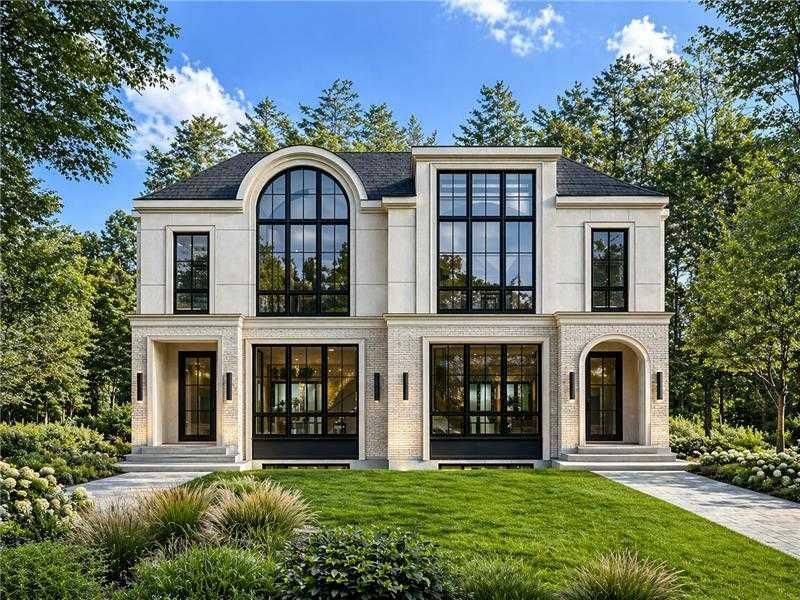
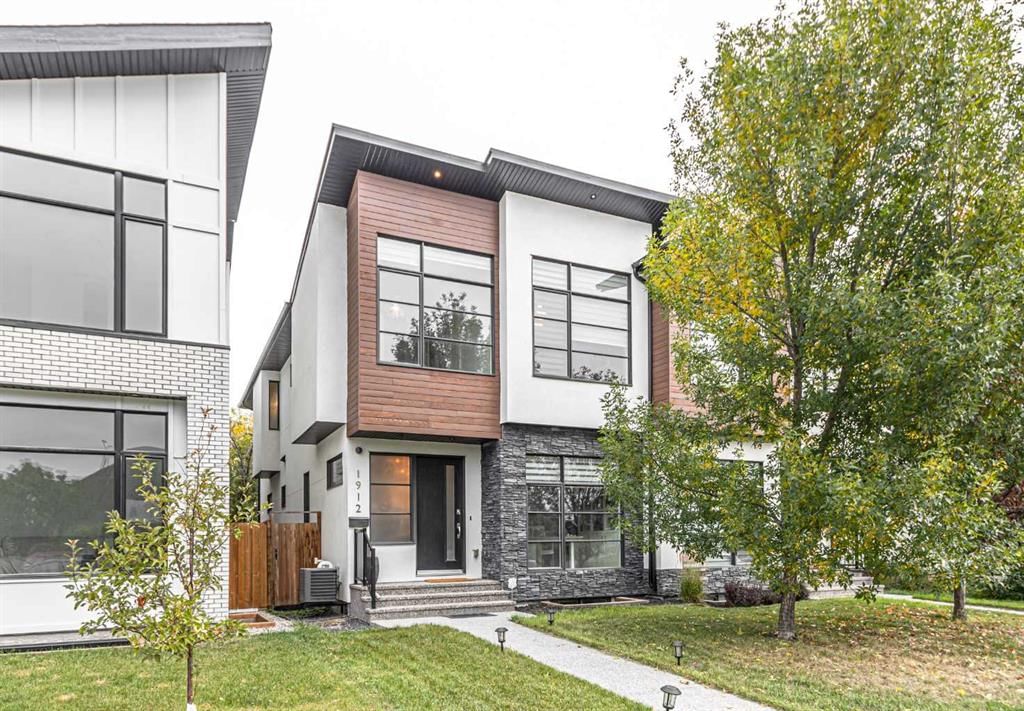
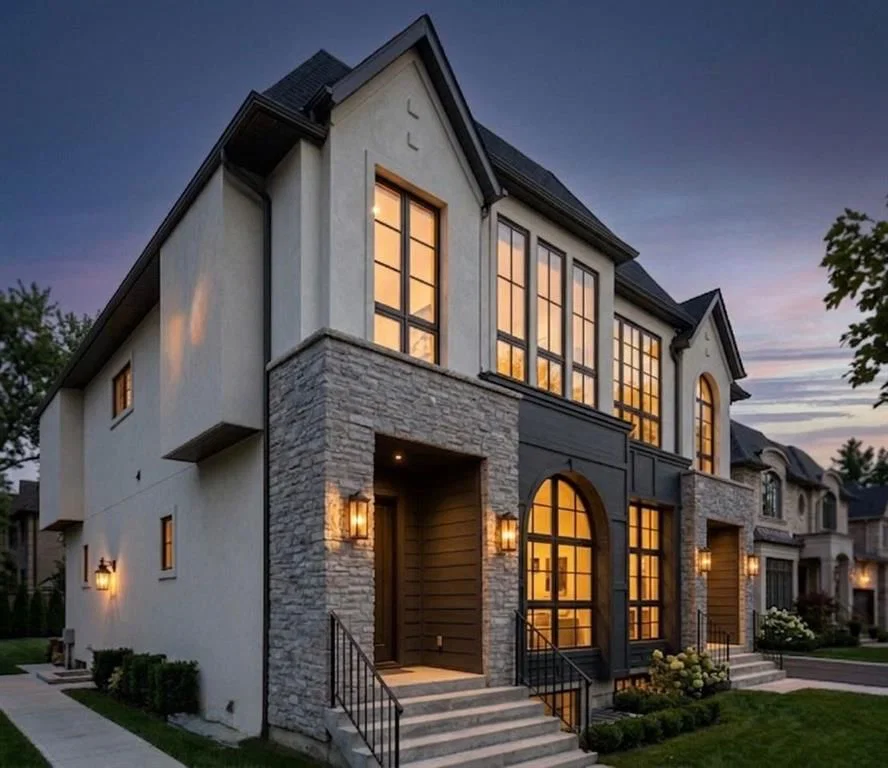
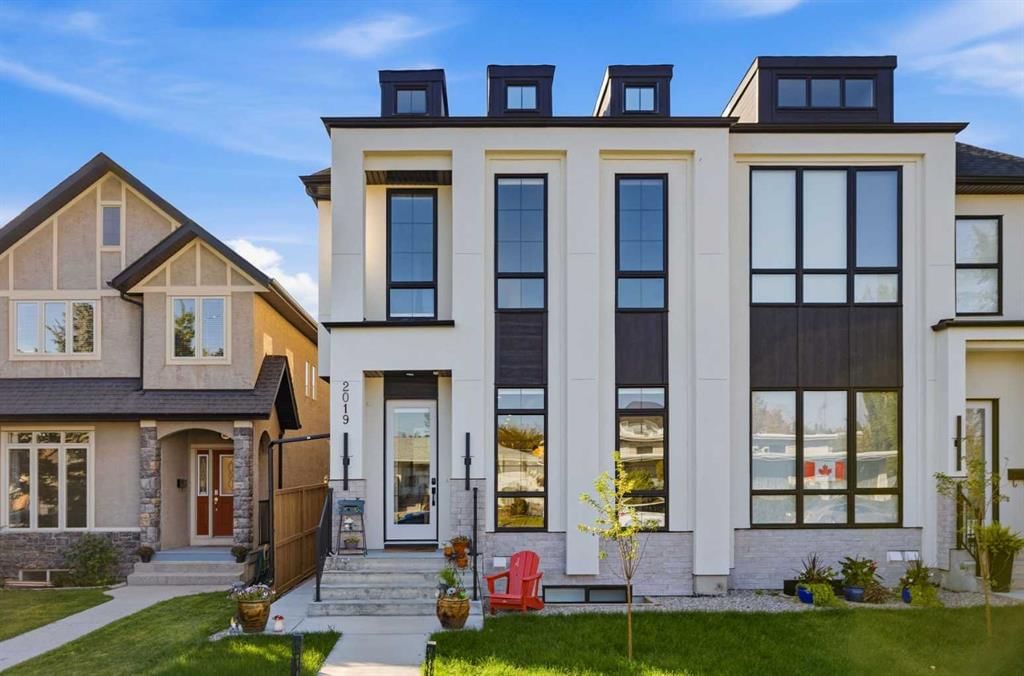
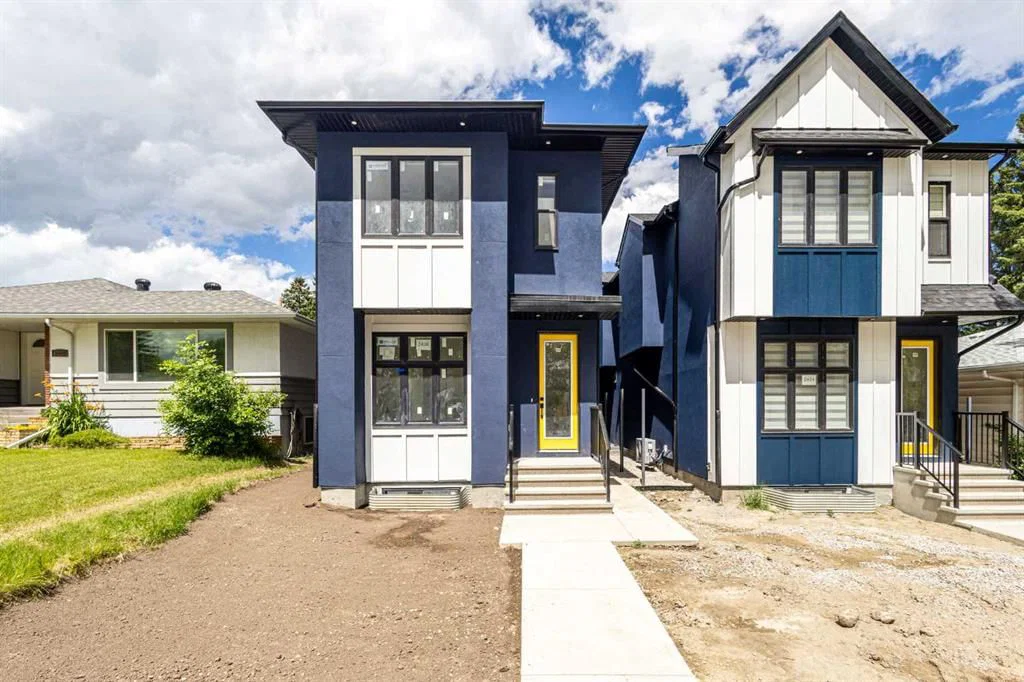
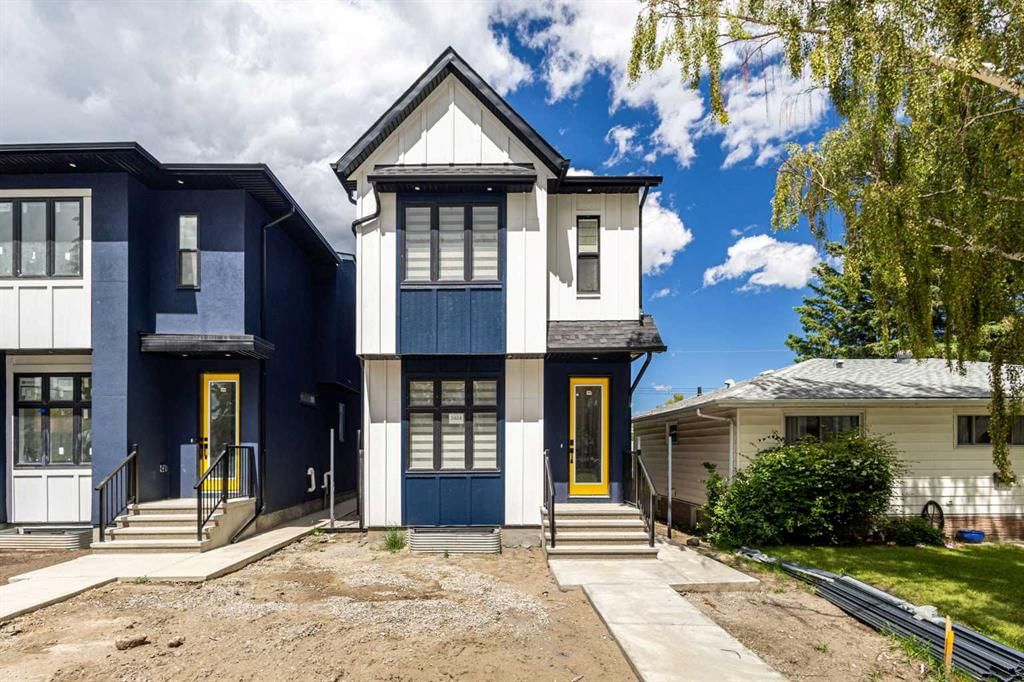
Latest in Banff Trail
Banff Trail Homes for Sale
For buyers, Banff Trail offers a polished suburban lifestyle with a higher-end feel. For sellers, it is a neighbourhood where presentation, pricing strategy, property condition, and exposure matter because buyers are often comparing across several premium inner-city communities at once.
At CalgaryListings Group, our team helps buyers and sellers understand not just what is available in Banff Trail, but how each property fits the market, the street, the resale picture, and the buyer's long-term goals.
What We’d Tell You Before You Buy in Banff Trail
Banff Trail is not a neighbourhood where you can judge value by square footage alone. Two homes can look similar online and feel completely different once you factor in the street, lot position, finish level, natural light, floor plan, basement development, garage setup, and resale picture.
If you are buying here, the real question is not just “is this a nice home?” It is “does this home make sense compared with what else has sold, what else is active, and what buyers will care about when you eventually sell?” That is where Banff Trail gets tricky — and where good advice matters.
Ask us to check the recent Banff Trail sold data, the competing listings, the street, the property type, and the resale story. A home can be beautiful and still be overpriced. It can also look ordinary online and be one of the better buys in the community. Ask us what we think before you offer →
What We’d Tell You Before You Sell in Banff Trail
Banff Trail buyers expect polish. That does not mean every home needs to be fully renovated, but it does need to feel clean, cared for, current, and properly positioned against the homes it is competing with.
The mistake sellers make in Banff Trail is assuming the community name will do all the work. It will not. Buyers at this level compare hard. They notice deferred maintenance, tired paint, weak photography, dated lighting, messy landscaping, and pricing that ignores recent sold data.
We would look at your exact pocket of Banff Trail, your property type, your condition, your competition, and the most recent solds before giving you a number. Neighbourhood averages are useful context, but they are not a pricing strategy. Get a Banff Trail pricing opinion →
What Makes Banff Trail Popular
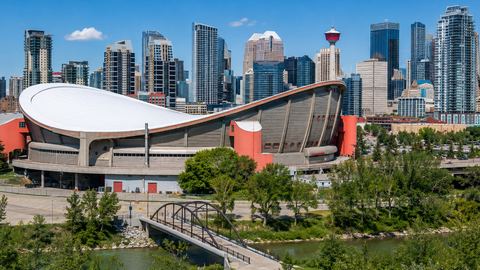
Banff Trail wins on location: a small inner-city NW community steps from the Banff Trail CTrain, McMahon Stadium, the University of Calgary, and SAIT. That transit-and-institution access — downtown about 10 to 12 minutes away, the university a direct ride — makes it practical for professionals, families, students’ households, and builders, with a median around $990,000.
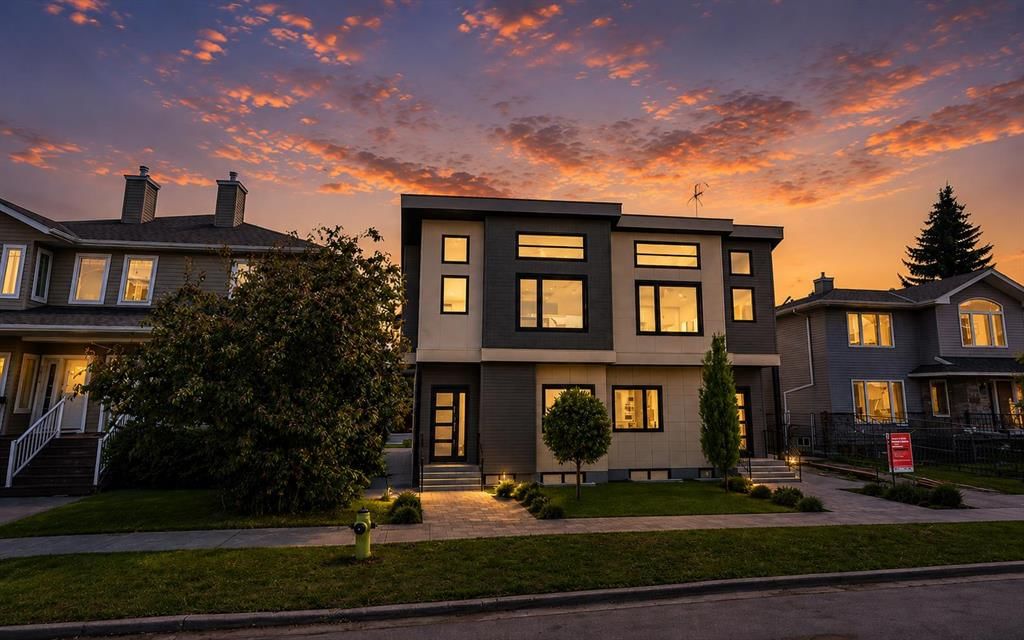
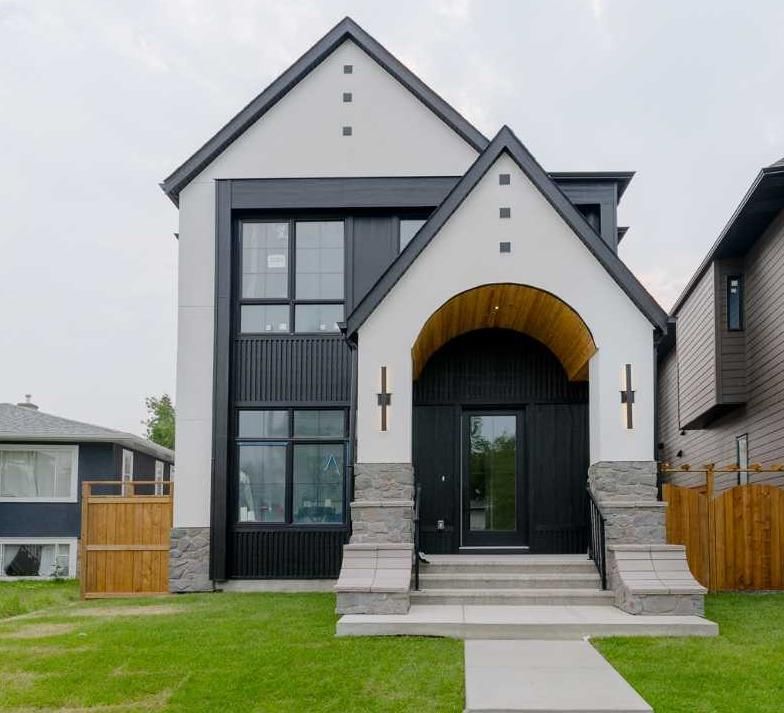
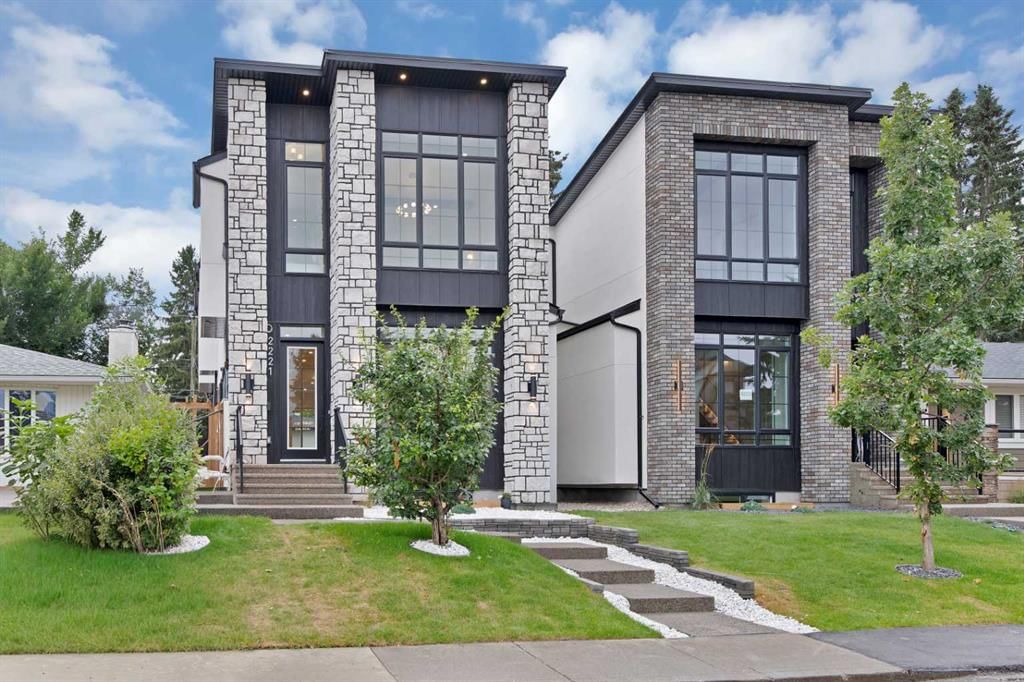
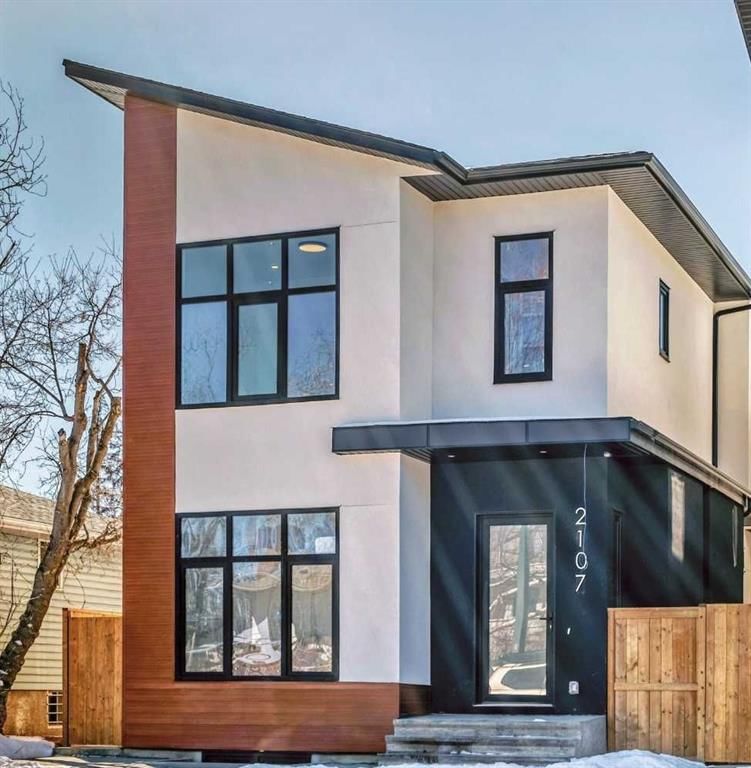
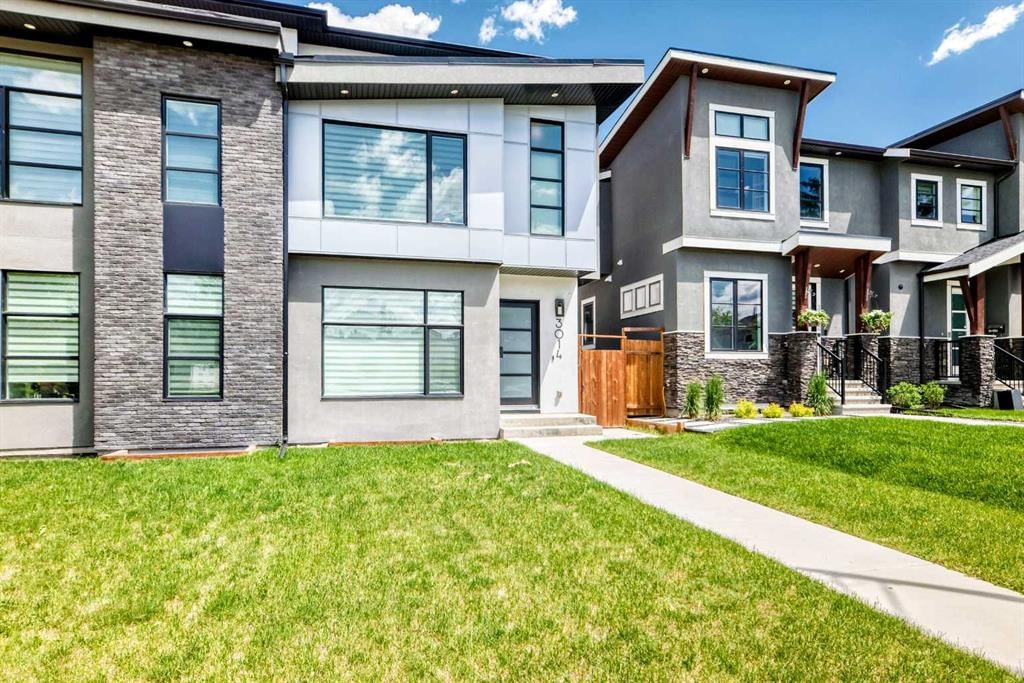
The market is a classic inner-city ladder: original 1950s and 60s bungalows and two-storey homes on generous lots, increasingly joined by modern infills and duplexes, plus some condos. Land value underpins the originals, and comparables shift by vintage.
For families, Banff Trail School serves the community, with William Aberhart High close and St. Pius X a Catholic option. It is an active infill market, so verify designations and what can be built next door before you buy.
Types of Homes in Banff Trail
Banff Trail real estate includes a mix of detached homes, estate homes, luxury properties, townhomes, and condos. The detached market is especially important, but the community also has lower-maintenance options for buyers who want the location without the size or maintenance of a larger home.
Detached Homes
Detached homes in Banff Trail often appeal to move-up buyers, executive families, and relocation buyers. Many homes include front attached garages, larger floor plans, developed basements, and family-friendly layouts. Higher-end homes may include walkout basements, triple garages, mountain or valley views, custom finishing, and larger lots.
Browse Banff Trail detached homes →
Luxury Homes
Banff Trail's top end is its new infills and fully renovated homes on the best transit- and university-close lots — homes that trade on the inner-city NW location against Capitol Hill homes for sale, Charleswood homes for sale, and the neighbouring institution-adjacent communities. Luxury buyers will usually look closely at architecture, finish quality, lot placement, privacy, garage space, ceiling heights, kitchen design, outdoor living, and overall condition.
Townhomes
Townhomes in Banff Trail can be a strong fit for buyers who want the inner-city location without a detached-home budget. They may appeal to professionals, downsizers, first-time move-up buyers, and families wanting access to the area's amenities. Buyers should review condo documents, reserve fund health, bylaws, parking, visitor parking, pet restrictions, and monthly condo fees before committing.
Condos
Banff Trail condos can provide a more affordable entry point into the neighbourhood. They may work well for singles, young professionals, investors, downsizers, or buyers who want a lock-and-leave lifestyle. Buyers should pay close attention to the building, management, condo fees, parking, storage, financials, and resale demand.
Where Banff Trail Buyers Should Be Careful
Not all homes in Banff Trail are equal. Buyers should look closely at exterior materials, roof age, window condition, mechanical systems, basement quality, grading, drainage, garage layout, and any signs of deferred maintenance.
For townhomes and condos, condo document review matters. Monthly fees, reserve fund planning, insurance costs, bylaws, pet restrictions, parking rules, and future capital work can all affect whether a property is a good purchase.
For luxury homes, buyers should not assume a high price automatically means high quality. Custom finishes, smart-home systems, landscaping, exterior envelope, renovation history, and maintenance records should all be reviewed carefully.
Living in Banff Trail
A good fit if you want
- A walk to the CTrain and the university
- Inner-city NW location minutes from downtown
- A big lot with infill or renovation upside
- Proximity to the U of C, SAIT, and McMahon
- Original bungalow or new-infill options
- Strong rental and resale demand
Maybe not the best fit if you want
- A value entry point
- A finished, uniform streetscape
- Certainty no one will build beside you
- Suburban lot sizes and quiet cul-de-sacs
- Homes without 1950s renovation questions
Daily Life in Banff Trail
What does living here actually feel like, day to day? Here is the honest version, from a team that spends real time in this community.
The morning commute
16 Avenue and Crowchild run downtown in about 10 to 12 minutes, and the Banff Trail CTrain gives a direct ride to downtown and the university without parking math. One of the inner city’s best-connected NW spots.
The school run
Banff Trail School serves the community, William Aberhart High School is close, and St. Pius X offers a Catholic option, with the U of C and SAIT minutes away. Verify designations for the exact address.
Groceries & errands
North Hill Centre, the Brentwood homes for sale and University District shops, and the 16 Avenue corridor are minutes away — a well-served inner-city NW errand list.
Coffee & eating out
The University District, Brentwood, and Kensington homes for sale corridors carry the dining and coffee options minutes away, with campus amenities close. Well-served for an inner-city community.
Walking & parks
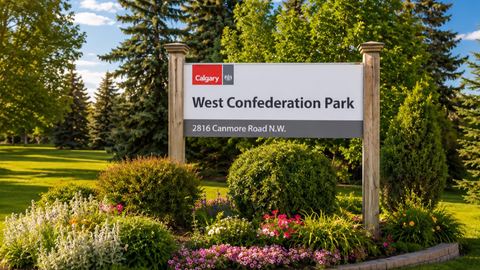
Confederation Park, the Nose Creek pathways, and Foothills Athletic Park are close, with McMahon Stadium and the university grounds adding green space and event energy.
Where traffic backs up
Being straight with you: 16 Avenue, Crowchild, and the university-and-stadium event traffic carry the community’s edges. The interior streets stay quiet, and the CTrain lets many skip the drive.
What weekends feel like
A Confederation Park walk, a Kensington or University District brunch, a game at McMahon, a train downtown — and the mountains via 16 Avenue and the Trans-Canada when the bigger weekend calls. Connected and energetic.
Banff Trail Pocket by Pocket
Most community pages treat Banff Trail like one blob. It is not. Price, noise, walkability, and buyer competition change street by street — and knowing the pockets is where local advice earns its keep.
The CTrain & university edge
The blocks nearest the Banff Trail station and the U of C carry the walk-to-transit-and-campus premium — the community’s defining convenience and strong rental demand.
Best for: commuters & investorsThe big-lot bungalow streets
1950s and 60s bungalows on generous lots with land value holding the floor — the value and infill core. The wider lots draw builder interest.
Best for: renovators & land buyersThe infill blocks
Where the modern infills and duplexes are arriving — new product beside originals, comparables shifting yearly. Check the neighbouring lots’ zoning.
Best for: new-build buyersThe renovated homes
Where the stock has been modernized — move-in-ready inner-city homes, and the community’s ceiling. Transit and campus access support resale.
Best for: move-in-ready buyersThe condo pockets
The community’s lower entries, near the corridors and transit — a foothold in an inner-city NW location. Documents and fees decide value.
Best for: first-time buyers & investorsThe Confederation Park side
The blocks nearest Confederation Park and the pathways carry a greener, quieter outlook.
Best for: nature-first buyersInterior vs. edge streets
The interior stays quiet; 16 Avenue, Crowchild, and event traffic carry the edges. Walk the street at peak hour before writing an offer.
EveryoneSchools Near Banff Trail
School access is one of the major reasons many buyers consider Banff Trail. Distances and drive times below are measured from the community centre; every family should verify against the specific home address.
Banff Trail School Public (CBE)
Verify with the school →William Aberhart High School Public (CBE)
Verify with the school →St. Pius X School Catholic (CCSD)
Verify with the school →Branton School Public (CBE)
Verify with the school →SAIT Polytechnic Post-Secondary
Verify with the school →University of Calgary Post-Secondary
Verify with the school →School boundaries, transportation, admissions, and programming change. Verify directly with the Calgary Board of Education, the Calgary Catholic School District, and individual private or independent schools before purchasing.
Commute Times from Banff Trail
Estimated from the centre of the community in typical off-peak conditions — peak-hour trips run longer, especially eastbound on Bow Trail in the morning. Tap any card for live directions.
Banff Trail vs Nearby Communities
Many buyers considering Banff Trail are also looking at Briar Hill homes for sale, Capitol Hill homes for sale, Charleswood homes for sale, St. Andrews Heights, and Rosedale homes for sale.
Banff Trail vs Briar Hill
Neighbouring inner-city communities near SAIT and the university: Briar Hill (Hounsfield Heights) sits on an escarpment with mountain and downtown views at a higher price; Banff Trail is flatter, more attainable, and closer to the CTrain. Views lean Briar Hill; transit-and-value lean Banff Trail. See our full Briar Hill guide →
Banff Trail vs Capitol Hill
Capitol Hill next door shares the era, the infill wave, and the institution proximity; Banff Trail edges it on direct CTrain access. Similar buyers — the specific home and lot decide.
Banff Trail vs Charleswood
Charleswood is a quieter, more established NW community up the hill; Banff Trail is flatter and more transit-oriented. Quiet-and-established leans Charleswood; transit leans Banff Trail.
Banff Trail vs Rosedale
Rosedale sits just south across 16 Avenue, sharing the same escarpment and university-adjacent appeal at a higher price point; Banff Trail offers the more attainable entry with the same direct CTrain access. Prestige-and-views lean Rosedale; value-and-transit lean Banff Trail. See our full Rosedale guide →
Buying a Home in Banff Trail
Buying in Banff Trail requires more strategy than simply watching new listings. Desirable homes can move quickly, but overpriced homes can sit. The key is knowing the difference.
Our team helps buyers compare homes by location within the community, street and lot quality, property type, floor plan, finish level, basement development, garage configuration, renovation quality, school and commute needs, resale potential, condo document concerns where applicable, and current market competition.
We also help buyers decide when to move quickly and when to negotiate. That judgment matters in Banff Trail because price ranges, buyer expectations, and property quality can vary dramatically.
Selling a Home in Banff Trail
Selling in Banff Trail requires strong positioning. Buyers in this area expect quality, and they are usually comparing your home against other inner-city options.
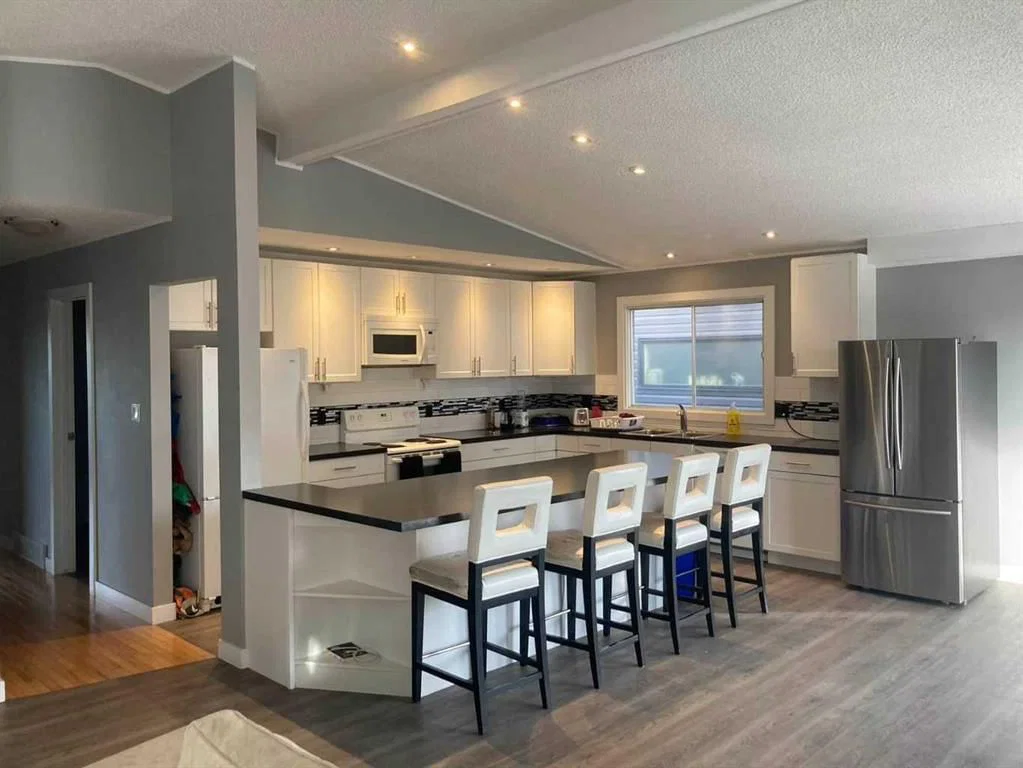
Before listing, sellers should pay attention to paint and presentation, lighting, staging, landscaping, clean windows, flooring condition, kitchen and bathroom presentation, mechanical maintenance, exterior curb appeal, professional photography and video, and accurate pricing based on property type — not just neighbourhood average.
Wondering what your Banff Trail home would compete against?
Get a Banff Trail Home Value ReviewChoosing an Agent for Banff Trail
Banff Trail is an established northwest community that has been rebuilt house by house, so new infills and unrenovated bungalows on original lots sit side by side on the same block. It also lives with the university, the CTrain and the stadium, and those are street-level facts rather than community-level ones.
These four questions separate an agent who knows Banff Trail from one who knows Calgary generally.
- Is this comparable a new infill or an unrenovated bungalow on an original lot? A price per square foot taken across both is not a measure of anything, because the two are bought by different people for different reasons. Ask which sales the price was built from and what the agent adjusted when they had to mix the two.
- Has this house been run as a rental, and is any suite legal and registered? Close to a university that is an ordinary question, and a finished basement with a kitchen is not the same thing as a permitted, registered suite. Ask for the development and building permits and the City record for the address rather than relying on a description of the income.
- What do stadium event days and CTrain traffic do to this particular street? The effect is very local: a few blocks decides whether you are living with overflow parking and event traffic or barely noticing it. Ask the agent which streets are affected, whether any fall inside a permit parking area, and go and look on an event evening before you decide.
- Some homes here sit for a long time — why did the slow comparables sit? The days-on-market picture in Banff Trail has a long tail, and the reasons are usually specific: the wrong product for the street, a price built off infill sales, or a lot issue nobody addressed. Ask them to go through the slow sales, not just the quick ones, and say what they would do differently.
Where we stand. We have closed sales in Banff Trail, though it is not one of the communities we work most — and we would rather say that than dress it up. What we bring here is the market knowledge above and a straight answer about your specific street. Crystal Tost has been licensed in Alberta since 1997 and CalgaryListings Group is a team of 4 REALTORS® today, and the record spans the team over time.
Why Work With CalgaryListings Group
Our CalgaryListings Group team brings deep Calgary market experience, strong buyer and seller strategy, and a straightforward approach to real estate advice. We are not here to push every home as a good home. We are here to help clients make smart decisions.
For buyers, that means helping you understand value, risk, location, condition, and resale before you write an offer.
For sellers, that means honest pricing advice, strong preparation, professional marketing, and positioning your home properly in a competitive market.
Predicted Growth in Banff Trail
The City of Calgary projects population change from a 2014 baseline through 2042, compared against the city-wide average. Higher growth relative to Calgary overall signals increasing demand for housing in this area.
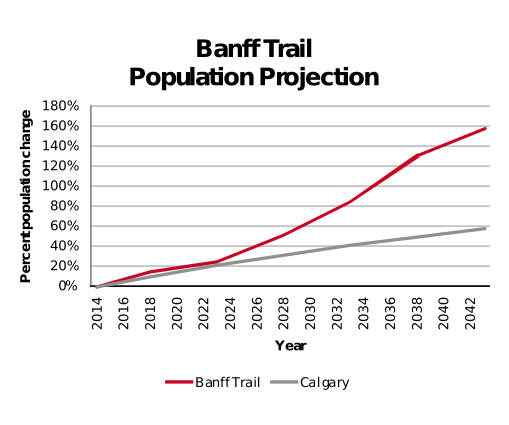
Source: City of Calgary Community Profiles — 2021 Census of Canada projections
Banff Trail Community Profile & Census Data
A look at who lives here
In 2021, Banff Trail had 3,805 residents in private households — 12% aged 0 to 14 (below Calgary’s 18%), 79% aged 15 to 64, and 9% aged 65 and over. Its 1,650 households average 2.3 people against Calgary’s 2.6 — 32% are one-person households and 18% have four or more people. Of 815 census families, 82% are couple families, with married couples with children representing 29%; one-parent families account for 18%.
Ownership & the housing mix
Housing tenure runs 42% owner to 58% renter, well below Calgary’s 69/31 split. The dwelling mix is led by single-detached (40%), duplex (32%), semi-detached (16%). It is an established community — 67% of dwellings were built before 1981, so vintage, renovation history, and mechanical updates matter when comparing homes. Condition data shows 95% of dwellings need only regular maintenance or minor repairs, and 97% of households are suitable for the number of residents.
Shelter costs & income
Median monthly shelter costs were $1,180 for owned dwellings and $1,250 for rented, versus Calgary’s $1,720 and $1,350. About 24% of households spent 30% or more of income on shelter (Calgary: 23%). Median household income was $84,000 in 2020 against $98,000 city-wide.
Education & work
Among residents 15 and over, 72% hold a post-secondary credential and 51% hold a university degree at bachelor level or above, versus 61% and 36% across Calgary. The labour force participation rate was 72%, employment 61%, and unemployment 16%. Top industries: Professional, scientific and technical services (16%); Retail trade (12%); Educational services (12%). Top occupation groups: Sales and service occupations (22%); Occupations in education, law and social, community and government services (17%); Business, finance and administration occupations (17%).
Getting to work
62% of commuters drive, 20% use public transit, and 7% walk (3% cycle) — against Calgary’s 77% driving, 9% transit, and 4% walking. Commute times: 22% under 15 minutes, 46% at 15–29 minutes, and 20% at 30–44 minutes.
Languages, newcomers & mobility
80% of residents speak English most often at home (Calgary: 75%), with Mandarin and Filipino) the most common non-official home languages. In 2021, 24% of residents were immigrants, compared with 33% across Calgary — neutral demographic context from the census. On mobility, 28% of residents had moved in the year before the census and 61% within five years (Calgary: 42%) — a read on how settled the community is and how much resale turnover to expect.
What it means for buyers & sellers
Taken together, the census shows an urban, renter-inclusive community with a condo-led housing mix — context that matters for investors, first-time buyers, and anyone comparing buildings rather than blocks in Banff Trail.
Source: The City of Calgary Community Profiles — Banff Trail, based on the 2021 Census of Canada. Numbers may vary slightly between census tables due to rounding. Census data is long-term context; verify current market conditions against live MLS® data.