Calgary real estate is six different questions.
Which one is yours?
Most people arrive here without a fixed plan. Pick the line that sounds like you and we will send you straight to the part of the site that actually answers it — no form in the way.
I’m buying
Work out what you can carry, then where it buys.
I’m selling
Start with what it is worth, not what you need from it.
I’m moving to Calgary
Narrow the city before you look at a single house.
I’m looking at condos
You are buying the corporation as much as the unit.
I want the numbers
Our own analysis, with the method stated and the data downloadable.
I’m just looking
No pitch. Search everything on the market right now.
Current Calgary MLS® Listings
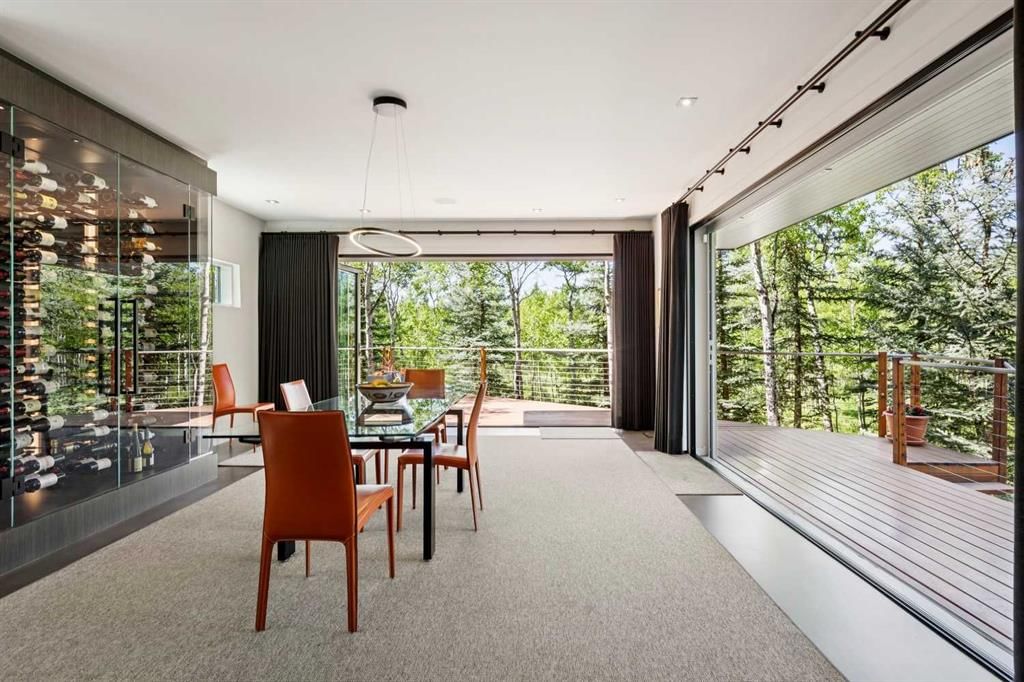 $3,250,00025 Posthill Drive SW
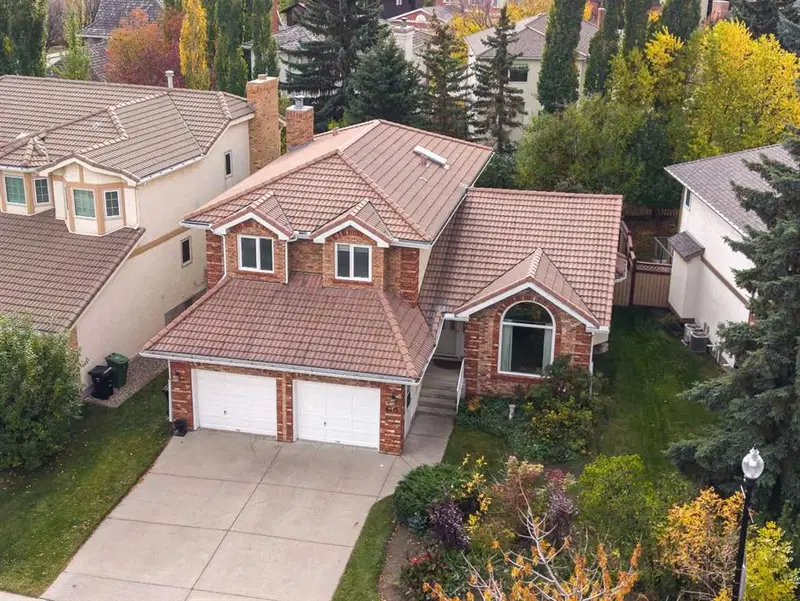 $1,049,9006915 Christie Estate Boulevard SW
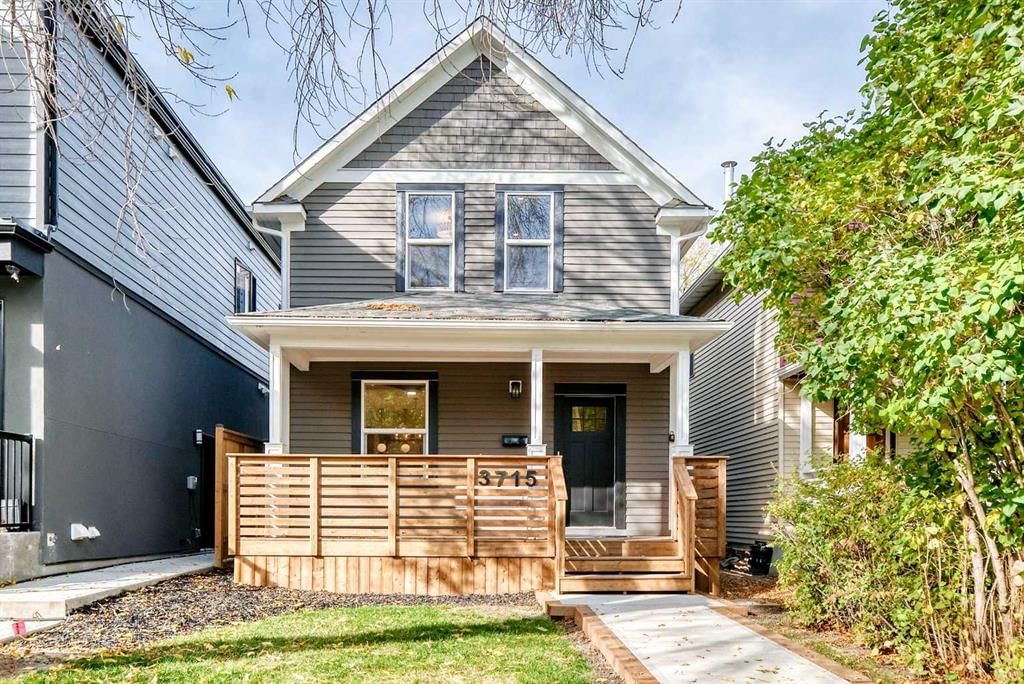 $1,029,0003715 14A Street SW
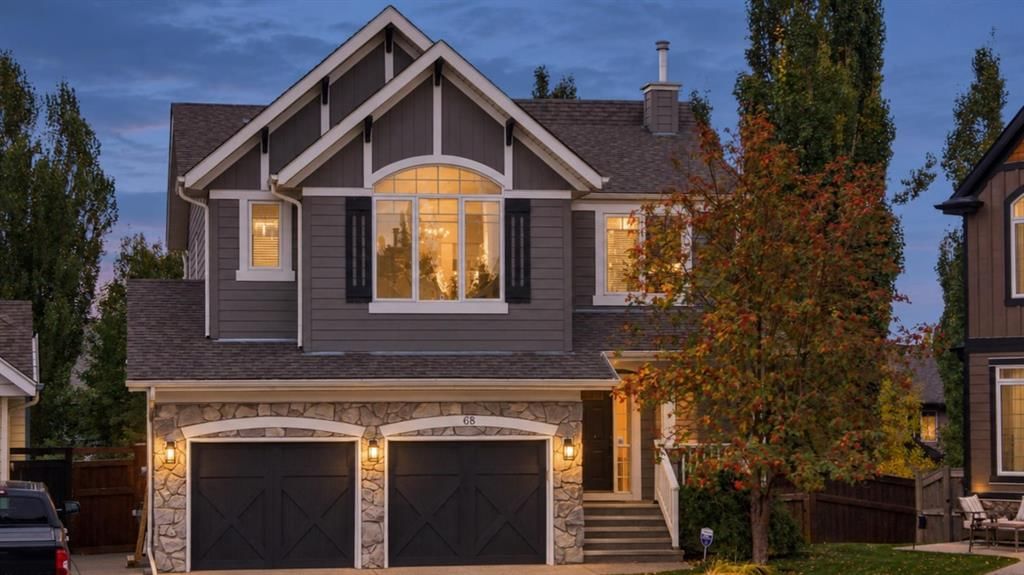 $999,00068 Auburn Sound Terrace SE
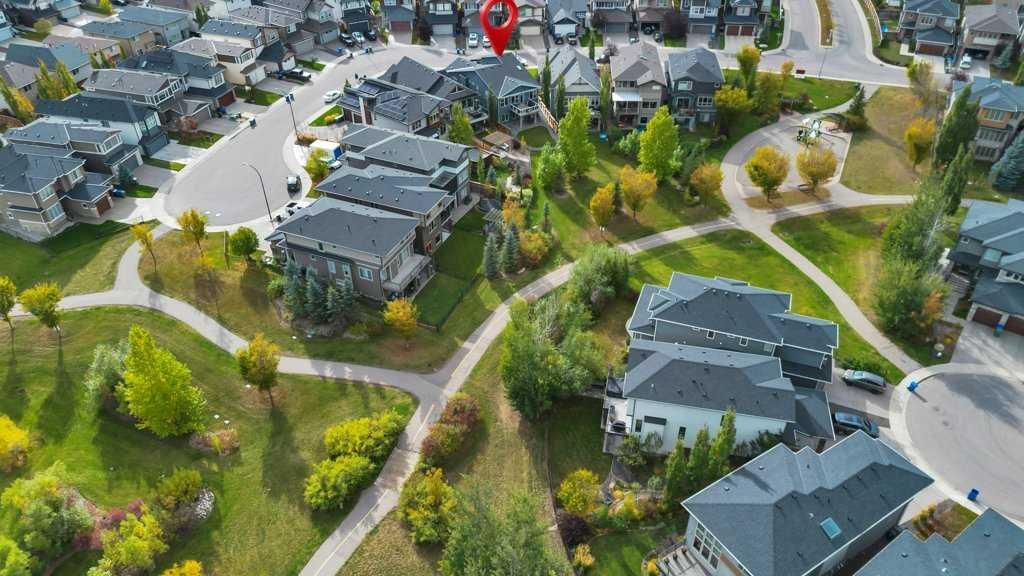 $989,00032 Walden Place SE
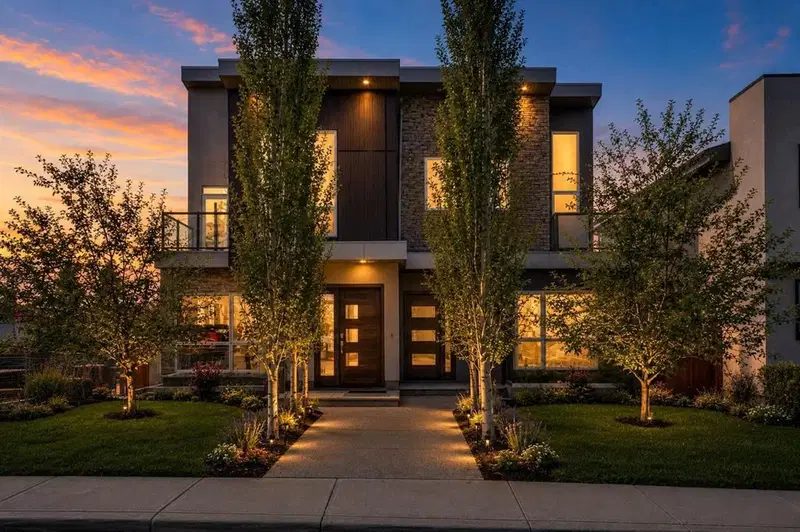 $899,9002505 21 Street SW
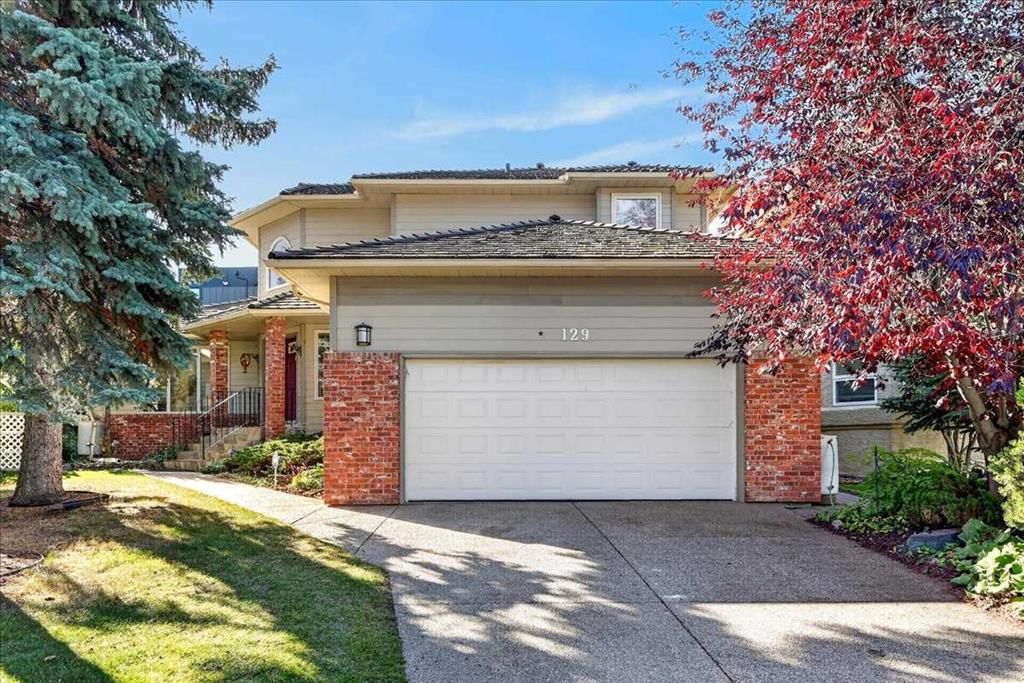 $868,000129 Shawnee Court SW
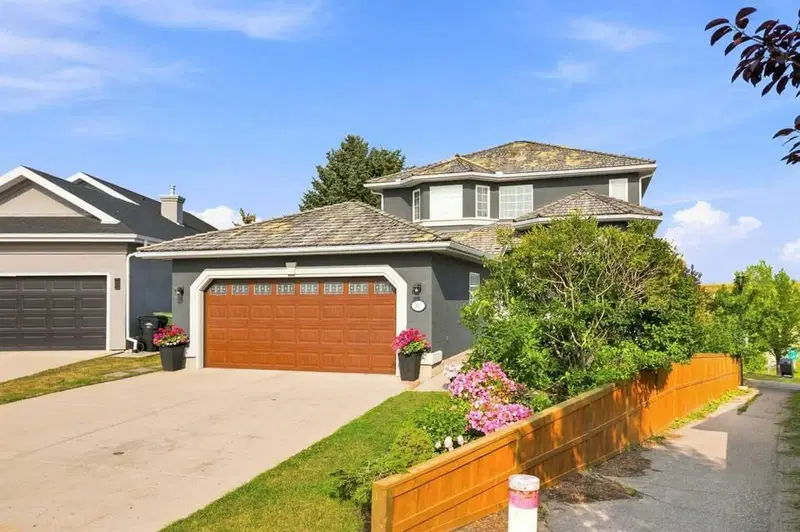 $829,900122 Sceptre Close NW
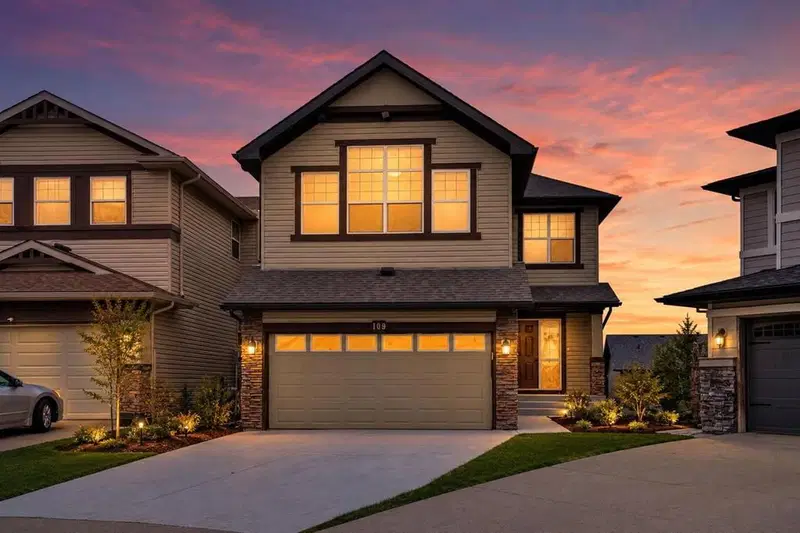 $829,900109 Pantego Terrace NW
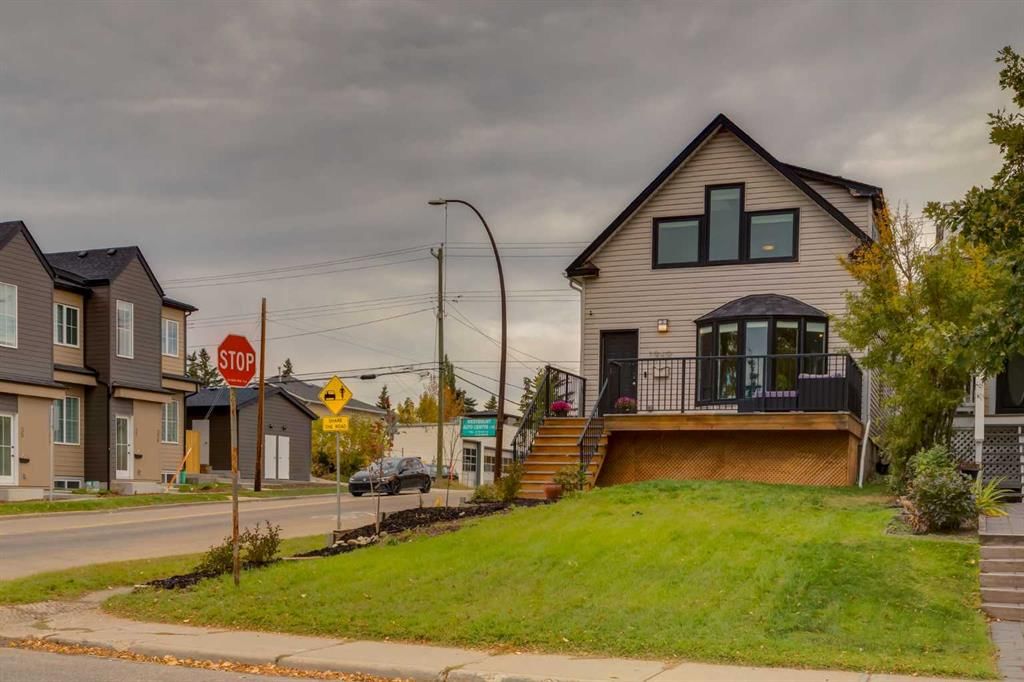 $829,9001940 Broadview Road NW
 $824,90040 Evanspark Circle NW
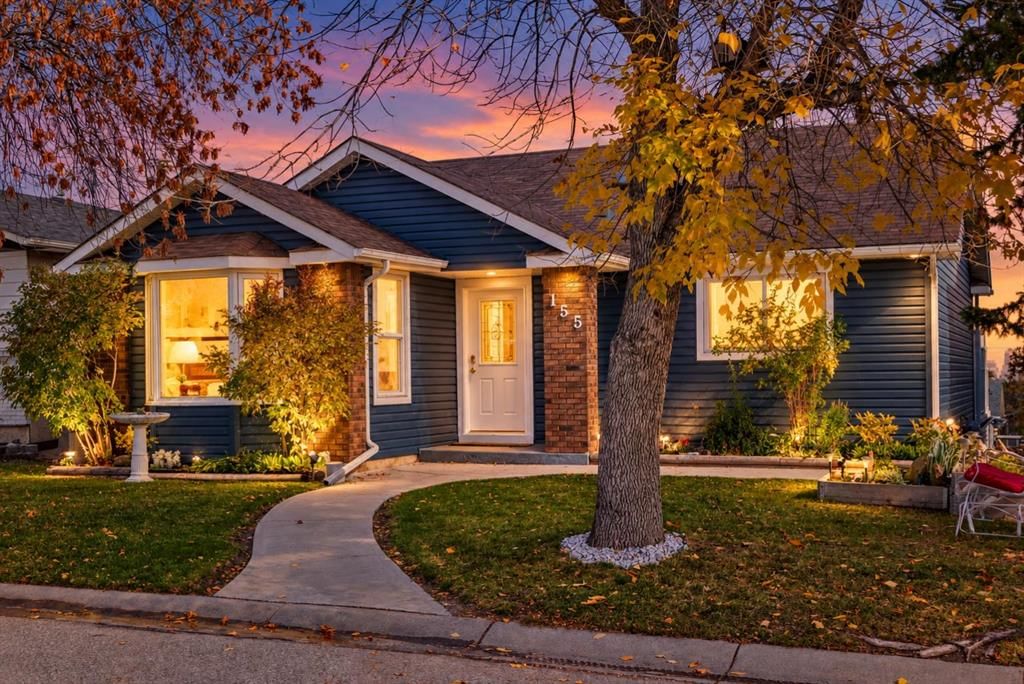 $789,900155 Strathcona Close SW
Showing 12 of 6150 matching active MLS® listings in Calgary.
More homes for sale in Calgary
- 1212 18 Avenue NW · $789,900 · 3 bed · Detached
- 652 Oakwood Place SW · $785,000 · 3 bed · Detached
- 49 Coville Bay NE · $774,900 · 3 bed · Detached
- 124 Greenwich Drive NW · $746,706 · 3 bed · Row/Townhouse
- 236 Edgebrook Gardens NW · $736,888 · 2 bed · Detached
- 460 Hawkhill Place NW · $729,900 · 3 bed · Detached
- 45 Saddlestone Drive NE · $719,900 · 4 bed · Detached
- 341 Calhoun Common NE · $699,000 · 4 bed · Detached
- 827 17 Avenue NW · $687,000 · 2 bed · Detached
- 38 Chapman Close SE · $675,000 · 3 bed · Detached
- 135 Whiteview Close NE · $669,000 · 3 bed · Detached
- 51 Douglasbank Gardens SE · $665,800 · 2 bed · Semi Detached (Half Duplex)
- 9989 Huxbury Drive NE · $649,900 · 3 bed · Semi Detached (Half Duplex)
- 1502, 108 9 Avenue SW · $639,000 · 1 bed · Apartment
- 222 Douglas Ridge Circle SE · $635,000 · 3 bed · Detached
- 99 Aquila Way NW · $619,900 · 3 bed · Detached
- 1903 62 Street NE · $599,999 · 3 bed · Detached
- 92 Del Ray Close NE · $590,000 · 4 bed · Detached
- 355 Millrise Drive SW · $588,000 · 3 bed · Detached
- 114 Havenhurst Crescent SW · $579,900 · 3 bed · Detached
- 668 Savanna Drive NE · $529,900 · 3 bed · Semi Detached (Half Duplex)
- 614 Marlborough Way NE · $519,900 · 2 bed · Semi Detached (Half Duplex)
- 8007 Huntington Street NE · $515,000 · 2 bed · Detached
- 378 Midridge Drive SE · $495,000 · 3 bed · Semi Detached (Half Duplex)
- 7395 202 Avenue SE · $490,000 · 3 bed · Row/Townhouse
- 2110, 2518 Fish Creek Boulevard SW · $475,000 · 3 bed · Apartment
- 5, 64 Woodacres Crescent SW · $462,000 · 3 bed · Row/Townhouse
- 20 Falton Way NE · $445,000 · 2 bed · Detached
- 132 Sage Hill Grove NW · $429,900 · 2 bed · Row/Townhouse
- 1112, 81 Arbour Lake View NW · $429,900 · 2 bed · Apartment
- 12 Royal Oak Lane NW · $409,900 · 2 bed · Row/Townhouse
- 24 Cornerstone Passage NE · $409,900 · 4 bed · Row/Townhouse
- 135, 30 Cornerstone Manor NE · $409,000 · 2 bed · Row/Townhouse
- 255 Prestwick Acres Lane SE · $400,000 · 3 bed · Row/Townhouse
- 5410 Valentine Crescent SE · $399,000 · 3 bed · Detached
- 100 Doverglen Crescent SE · $382,900 · 2 bed · Detached
- 23 Citadel Peak Circle NW · $379,000 · Residential Land
- 252, 110 18A Street NW · $359,000 · 1 bed · Apartment
- 110, 162 Country Village Circle NE · $350,000 · 2 bed · Apartment
- 340, 22 Richard Place SW · $349,900 · 2 bed · Apartment
- 103, 4718 Stanley Road SW · $344,900 · 2 bed · Apartment
- 626, 930 Centre Avenue NE · $339,900 · 1 bed · Apartment
- 58 Country Hills Villas NW · $330,000 · 3 bed · Row/Townhouse
- 202, 135 Redstone Walk NE · $325,000 · 3 bed · Apartment
- 305, 30 Sage Hill NW · $318,988 · 2 bed · Apartment
- 58, 5520 1 Avenue SE · $318,888 · 4 bed · Row/Townhouse
- 405, 540 18 Avenue SW · $314,900 · 2 bed · Apartment
- 5309, 755 Copperpond Boulevard SE · $299,900 · 2 bed · Apartment
- 3116, 298 Sage Meadows Park NW · $299,900 · 2 bed · Apartment
- 2101, 76 Cornerstone Passage NE · $299,900 · 3 bed · Apartment
- 1002, 145 Point Drive NW · $299,900 · 2 bed · Apartment
- 1405, 1010 6 Street SW · $259,900 · 1 bed · Apartment
- 14, 8112 36 Avenue NW · $258,800 · 3 bed · Row/Townhouse
- #, 3308 Sienna Park Green SW · $249,900 · 1 bed · Apartment
- 2634 Oakmoor Drive SW · $245,000 · Row/Townhouse
- 2206, 1140 Taradale Drive NE · $222,000 · 2 bed · Apartment
- 405, 624 8 Avenue SE · $220,000 · 1 bed · Apartment
- ., 1612 Edenwold Heights NW · $218,812 · 2 bed · Apartment
- 306, 2611 15A Street SW · $179,900 · 2 bed · Apartment
The Calgary Real Estate Market — What You Need to Know Right Now
Calgary’s real estate market moves differently than most Canadian cities. It tracks oil and gas cycles, migration patterns, and infrastructure decisions that aren’t always obvious from the outside. Right now, Calgary is drawing buyers from across the country — some priced out of Vancouver or Toronto, others following work or family. That demand has kept the market active even as interest rates have shifted the calculations for both buyers and sellers.
The detached segment has seen strong resale activity. The condo market has tightened considerably compared to the years of oversupply that stretched from 2015 through most of 2020. Inventory ebbs and flows by neighbourhood and price point. The inner city, the southwest, and parts of the northwest have seen persistent demand. The northeast and southeast offer more value, but require knowing where growth is actually heading.
Calgary is divided into four quadrants — Northwest, Northeast, Southwest, and Southeast — plus the inner-city core. Each has a distinct character, price range, and buyer profile. What’s happening in Cranston isn’t what’s happening in Hillhurst. And what’s happening this spring won’t necessarily repeat in the fall.
Buyers need to understand what they’re stepping into before making an offer. Sellers need to understand what the market will actually bear — not what a neighbour sold for two years ago. Both need current, local knowledge. That’s what this page is built to give you.
Buying a Home in Calgary
Buying in Calgary is not complicated, but there are enough local specifics that going in without a guide can cost you real money.
Here’s what the process typically looks like. You get pre-approved with a lender — this tells you your actual budget, not your estimated one. From there, you work with a REALTOR® to understand what’s available in the communities that fit your life. You view homes. When something works, you write an offer. In a competitive situation, that offer may include conditions or it may not, depending on price point and the level of competition. If accepted, you do your due diligence — a home inspection, condo documents if applicable — and then you close.
That’s the skeleton. The real work is in the details.
Common mistakes Calgary buyers make: waiting too long after getting pre-approved and watching prices move. Confusing list price with market value and overbidding without supporting data. Falling in love with a neighbourhood without verifying what’s actually built — or permitted — around it. Skipping the inspection in a competing-offer situation and inheriting a problem that costs more than the deposit to fix.
Calgary also has fee simple titled properties, bare land condos, and conventional condos. The difference matters at the mortgage stage and at resale. Not every property that looks like a house is titled like one.
Having worked with Calgary buyers since 1997, Crystal has seen every version of this market. Buyers who understood what they were doing have done well. Buyers who rushed or relied on guesswork have paid for it. The goal isn’t to slow you down — it’s to make sure your decision is grounded in real information, not assumptions.
Our buyer resources page covers the full process and what working with CalgaryListings Group looks like from first conversation to keys.
Selling Your Home in Calgary
Selling a home in Calgary comes down to three things: pricing it correctly from day one, presenting it well, and reaching the right buyers. None of those are optional.
Pricing is what sellers resist most. That’s understandable — you’ve lived in the home, improved it, put your own years into it. But buyers don’t pay for story. They pay for what the market says comparable properties are worth. Overpricing doesn’t generate interest — it generates silence. Then a price reduction. Then a listing that sits while correctly-priced homes sell around it. Pricing a home right in Calgary takes current data, a clear read on active competition, and honesty that not every agent is willing to offer.
Presentation matters more than most sellers expect. Not staging for a magazine shoot — staging to remove friction. A buyer scrolling MLS® listings on their phone makes a decision in under five seconds about whether to keep going. Professional photos, well-lit rooms, and a clear sense of scale make the difference between a showing and a pass.
Marketing in Calgary has changed. Buyers purchasing in the upper price ranges are often coming from out of province. They’re researching online before they ever get on a plane. If your listing only reaches local buyers, you’re missing a portion of your potential market. Targeted digital marketing, social media exposure, and video reach buyers who aren’t already here.
A strategic sale — the kind that generates the right offer at the right price — doesn’t just happen. It’s planned. Visit our seller page to understand what the process looks like with CalgaryListings Group.
Calgary Neighbourhoods — Finding the Right Fit
Calgary has over 200 distinct communities. And those communities are not interchangeable.
The Southwest
The southwest tends to attract families. Areas like Signal Hill, Aspen Woods, Springbank Hill, and Discovery Ridge offer larger lots, good schools, and strong access to Stoney Trail and the mountains. It’s Calgary’s most established move-up corridor. The inner southwest — Garrison Woods, Marda Loop, Altadore — offers walkability, character homes, and proximity to the core without the commute.
The Inner City
The inner city covers communities closest to downtown — Kensington, Hillhurst, Mount Royal, the Beltline, Inglewood, Ramsay. These draw professionals, downsizers who want to walk to things, and buyers who want river access. Prices are higher per square foot, but land in the inner city holds value over time. Infill development here has been steady for more than a decade.
The Northwest
The northwest includes established communities like Tuscany, Royal Oak, Scenic Acres, and Varsity, as well as newer developments further north. Crowchild Trail access and proximity to the mountains matter to many buyers in this quadrant.
The Northeast
The northeast offers Calgary’s most accessible detached home prices and is home to some of the city’s most diverse communities. Areas around the airport and along Stoney Trail have seen commercial investment, which has kept residential prices more affordable than comparable southeast communities.
The Southeast
McKenzie Towne, Cranston, Mahogany, Auburn Bay — the southeast has grown significantly over the last 15 years. Lake communities offer a genuine lifestyle draw, and these areas appeal to first-time buyers and families looking for newer construction at a reasonable price point.
Browse communities by area or search active listings by neighbourhood to find what fits your situation.
Calgary Condos — A Different Kind of Purchase
Buying a condo in Calgary isn’t harder than buying a house — it’s just different. And those differences matter.
Every condo in Alberta is governed by a condo corporation that manages shared expenses: maintenance, insurance, common areas, and a reserve fund for major repairs. Before you buy, you — or your REALTOR® on your behalf — requests the condo documents: the reserve fund study, financial statements, meeting minutes, and bylaws.
What you’re looking for: Is the reserve fund adequately funded for the building’s age and condition? Are any special assessments pending or proposed? Has the building had chronic issues — water ingress, parkade problems, envelope failures? What are the pet restrictions and rental rules? What has the condo fee been doing over the past five years — steady, or climbing?
Calgary went through a period of significant condo oversupply, particularly in the downtown core, from roughly 2015 to 2020. Prices corrected. Some buildings saw cash-call assessments. Buyers who did their homework bought well. Buyers who skipped the due diligence paid for it later.
The market has tightened since then. But the importance of reviewing those documents hasn’t changed at all. Browse Calgary condos for sale by building, neighbourhood, and price range to see what’s currently available on MLS®.
Why Experience Matters in Calgary Real Estate
Crystal has been a licensed REALTOR® in Calgary since 1997. That’s not a credential to put on a wall — it’s context that changes the advice you get.
In that time, Calgary’s real estate market has gone through a full cycle more than once. The late nineties boom. The correction that followed. The surge from 2004 through 2007 when oil hit record highs and multiple offers were the norm across every price point. The 2008 pause. The recovery. The 2014 oil price collapse and the long, slow grind that followed — where some segments lost 20% of their value and sat on the market for months. The pandemic disruption of 2020. The sharp rebound of 2021 and 2022. The rate-driven recalibration that followed.
Every one of those cycles taught something that couldn’t be learned from a course or a designations program. How quickly sentiment shifts. How differently the inner city behaves compared to the suburbs during a downturn. What a true buyer’s market feels like to operate in — and what a seller’s market actually demands of both sides.
The advice you need right now has to be calibrated to what the market is actually doing, not what it was doing 18 months ago. And it needs to come from someone who has been through enough cycles to know what’s temporary noise and what’s a genuine shift.
CalgaryListings Group is Crystal and Tyler Tost with eXp Realty. Reach out if you want to understand your position in this market — whether you’re buying, selling, or still figuring out which. That first conversation is free, and there’s no pressure attached to it.
Calgary Real Estate — Frequently Asked Questions
What’s the best time of year to buy a home in Calgary?
Spring — roughly March through June — tends to see the most listings come to market. You get more choice, but you also get more competition. Fall can be a solid window: sellers who listed in spring and didn’t sell are often more motivated, and competing-offer situations are less common. Winter listings are fewer, but serious sellers price to move. The honest answer is that the best time to buy is when your finances are in order and you’ve done your homework. Timing the market perfectly is harder than it sounds. Being financially prepared when you act is not.
How long does it typically take to sell a home in Calgary?
It depends on price point, neighbourhood, and market conditions at the time. Well-priced homes in good condition in desirable areas often sell within two to three weeks in a balanced market. Overpriced homes or properties with condition issues can sit for months. Days on market is a useful data point, but what matters more is whether the sale price actually reflects market value — or whether a long wait and a price reduction ate most of the difference.
What does a buyer’s agent cost in Calgary?
In Alberta, the seller has traditionally paid the total commission, which is split between the seller’s brokerage and the buyer’s brokerage. As a buyer, you typically don’t pay your REALTOR® directly out of pocket. Commission structures have been evolving across Canada, and it’s worth having a direct conversation with your REALTOR® about how compensation works before you begin. There should be no ambiguity on either side.
How do I find out what my home is worth?
The accurate answer: a comparative market analysis done by a local REALTOR® who knows your specific area and has access to current MLS® data. Online estimates can be off by tens of thousands of dollars in either direction. They’re fine for a rough ballpark. They’re not a reliable basis for pricing a listing. If you want to know what your home would realistically sell for right now, contact us and we’ll walk through it — no listing commitment required.
What Calgary neighbourhoods are up and coming?
East Calgary — Inglewood, Ramsay, Renfrew — has seen genuine investment over the last decade and continues to attract buyers who want inner-city character at lower prices. The Beltline condo market, after years of oversupply, has tightened. In the suburbs, communities near the planned Green Line LRT alignment may see value movement once construction timelines become more certain. The northeast has been undervalued relative to comparable southeast areas, and that gap has been slowly narrowing. These are observations, not guarantees.
Should I buy a condo or a house in Calgary?
It depends on what you’re trying to build day-to-day. A condo typically costs less to purchase and has lower ongoing maintenance — no lawn, no exterior upkeep, shared costs spread across the corporation. A house gives you land, more privacy, and in Calgary’s market, generally stronger long-term appreciation in the detached segment. The right answer depends on your timeline, your finances, and what you want your day-to-day to look like — not on a rule of thumb.
Is Calgary currently a buyer’s or seller’s market?
This changes — sometimes quickly. Calgary has been running tighter than many expected given rate increases, largely because of population growth and limited inventory in the detached segment at accessible price points. Some areas and price ranges have felt like seller’s markets; others have given buyers more room to negotiate. The honest answer is that market conditions are local and change month to month. A conversation with someone tracking active listings and absorption rates in real time is worth more than any national headline about Canadian real estate.
Can I work with a Calgary REALTOR® if I’m buying from out of province?
Yes — and if you’re relocating to Calgary, having a local REALTOR® involved early is even more important. Someone who can explain the difference between communities, flag proximity to flight paths or industrial areas, and advise you on a property without requiring you to be physically present is worth having on your side from the start. CalgaryListings Group works with relocating buyers regularly, including video walkthroughs and remote offer processes when needed. Get in touch to talk through how that works.