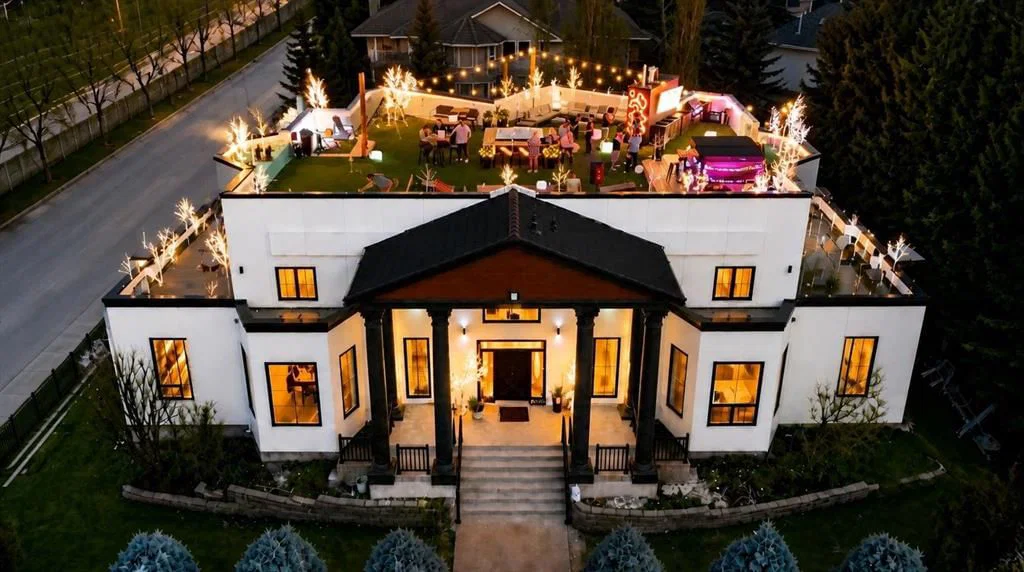

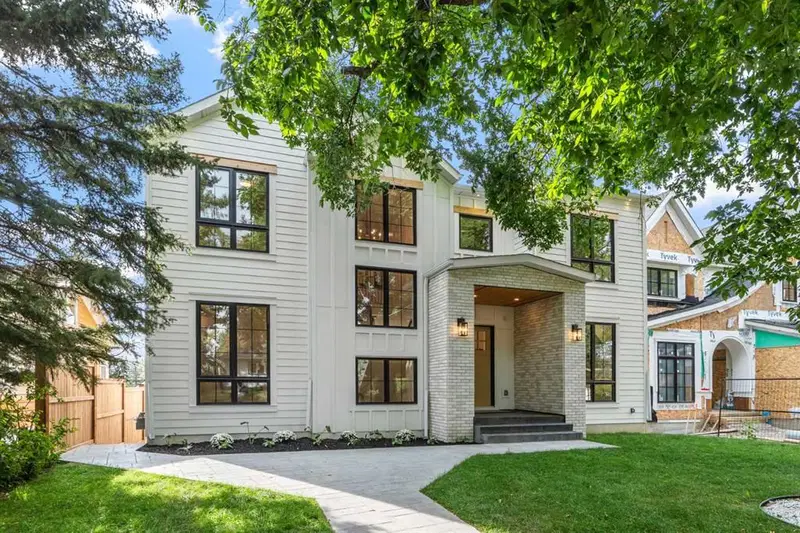
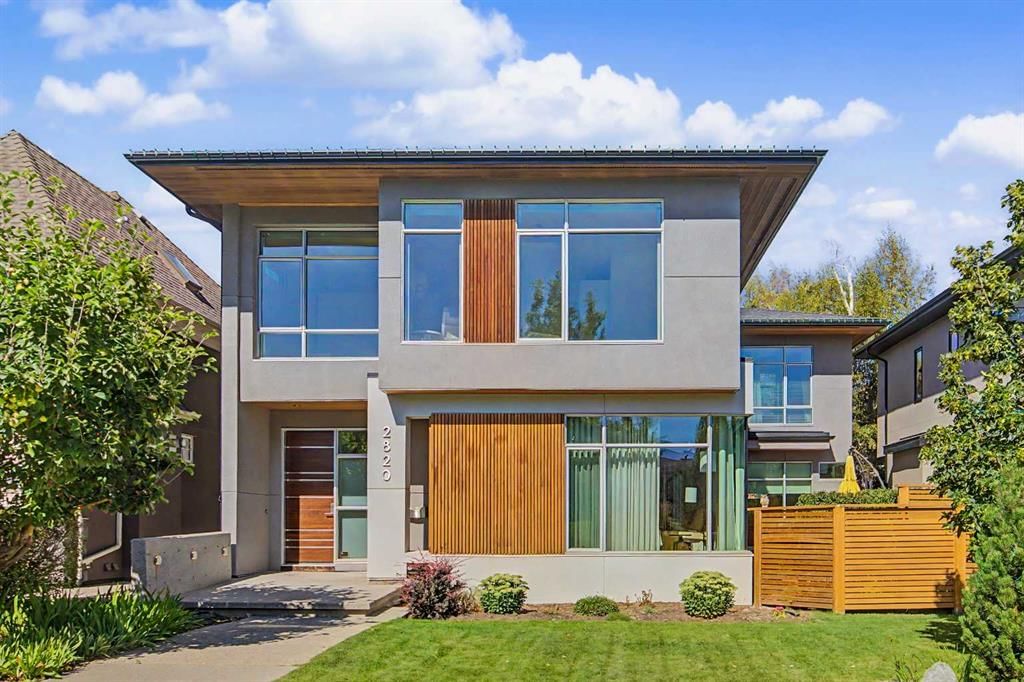
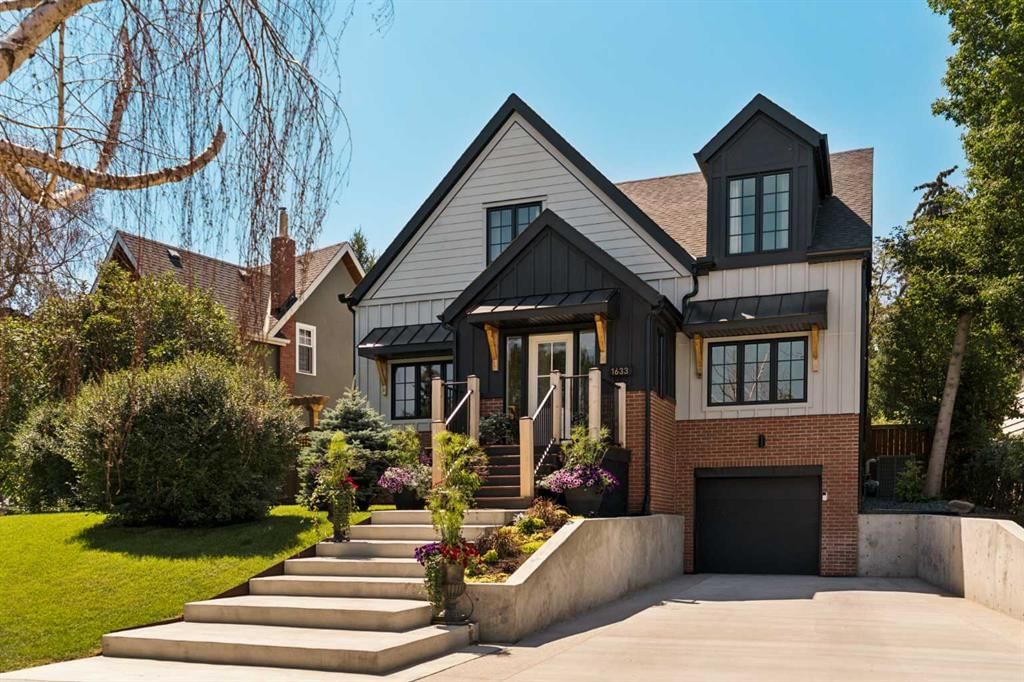


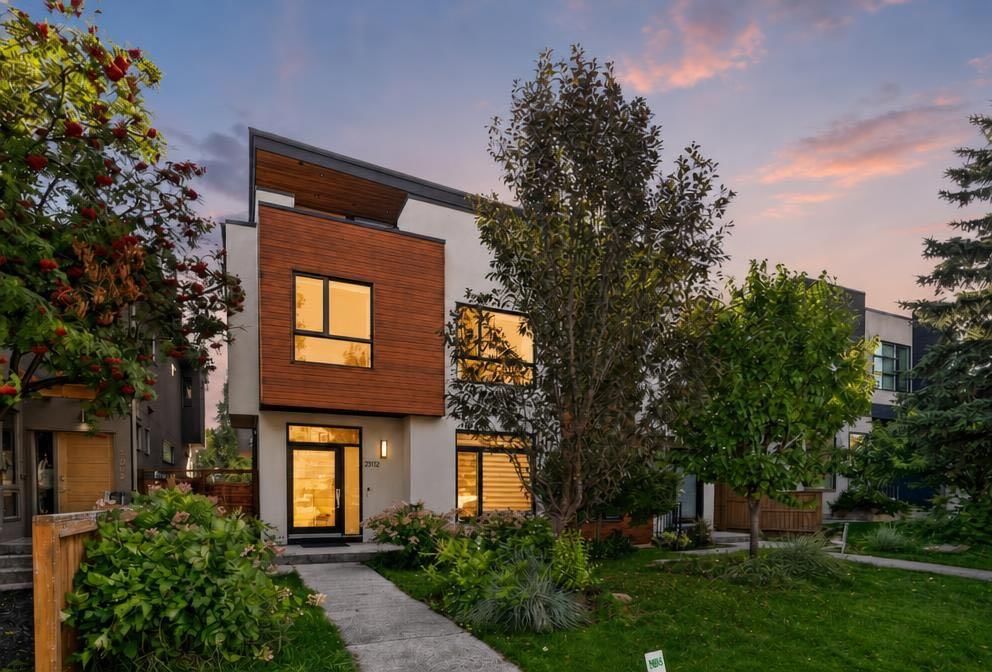
Calgary Homes with Downtown & City Views
Calgary sits in a river valley with high ground on most sides, which is why a downtown view here is not only a tower feature. It belongs equally to the houses along the escarpment edges, where the land drops away and the skyline sits in the gap. Those are two completely different purchases with two completely different risks, and this page treats them separately.
First, the mechanics of the list: it is assembled by scanning listing descriptions for view language, so it returns properties marketed on their outlook. That is a low bar. "City views" in the remarks can mean a full unobstructed panorama from a corner suite, or a slice of two towers visible from one bedroom window if you stand in the right spot. Nothing in the data distinguishes them. Your eyes do.
Where Calgary's Downtown Views Actually Come From
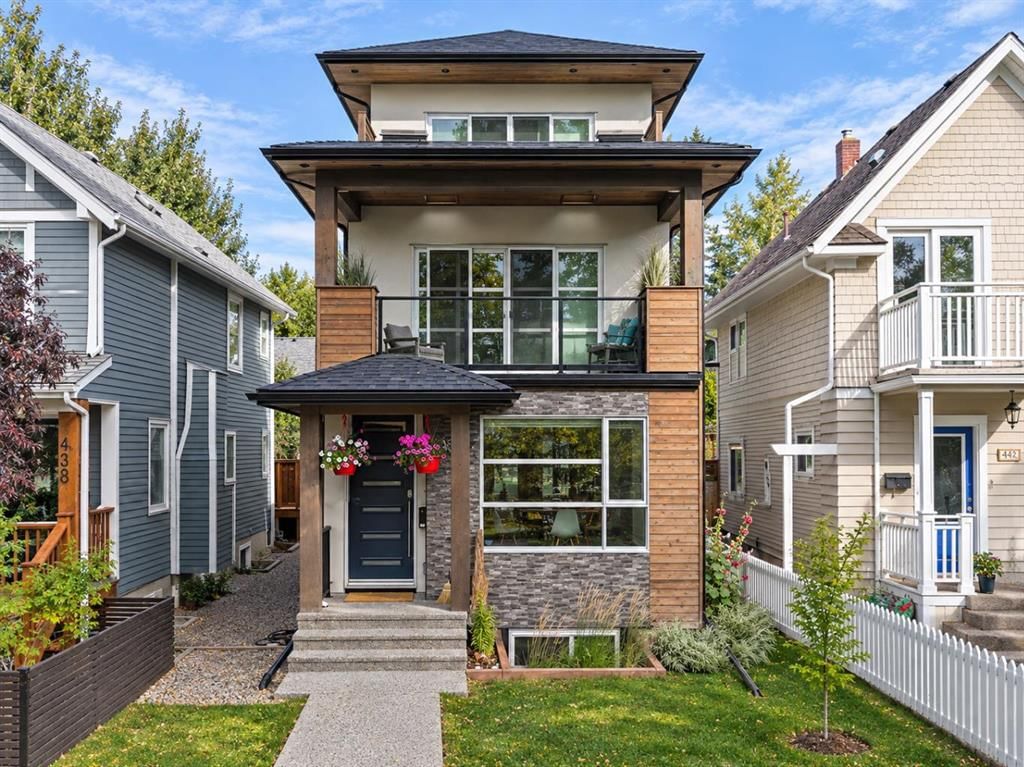
North of the Bow, the ridge running through Crescent Heights, Rosedale, Mount Pleasant, Tuxedo Park and Winston Heights looks straight down at the core, and those streets have been prized for it for a century — as were the escarpment lots in the inner southwest, where much of Calgary's architect-designed mid-century modern work was sited. West, the high ground of Scarboro, Briar Hill, Parkdale and further out Patterson and Signal Hill gives a more distant, wider composition. East, Mayland Heights, Renfrew and parts of Bridgeland look back across the valley. South, the bench above the Elbow at Cliff Bungalow, Bankview and Erlton catches it from another angle again. Our page on Calgary communities with downtown views goes through them in more detail.
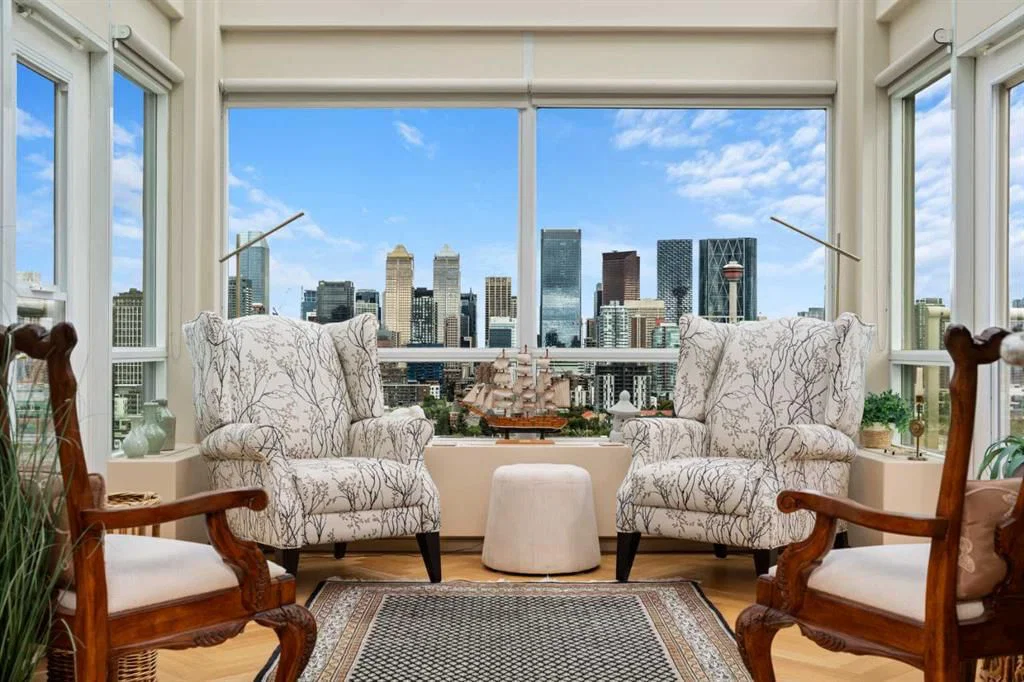
Then there are the towers themselves — the Beltline, East Village, Eau Claire, the downtown core and Mission. Inside a building, height is not the whole story. A twelfth floor facing an open river frontage beats a twenty-eighth floor facing the back of a neighbouring tower, and orientation decides whether you are looking at the skyline, the Bow, the prairie or a parkade roof. Our note on whether condo floor level matters covers the rest of that trade-off.
A View Is Not a Permanent Asset
This is the sentence we say to every buyer paying extra for an outlook, and it is worth saying plainly. Unless something physical or legal protects the ground between you and what you are looking at, someone can build in it. You do not own a sightline; you own a property that currently has one.
Views that tend to hold are the ones protected by geography or by public land: an escarpment slope too steep to build on, a river, a park, a cemetery, a school site, a wide road right-of-way, or a position above a building that is already there and already at its permitted height. Views that tend to be fragile are the ones crossing surface parking lots, single-storey commercial, older low-rise buildings on transit corridors, and any parcel in an area that is actively redeveloping. The Beltline and the areas around the core have been changing continuously for decades and will keep doing so.
The honest financial version: you pay a premium for a view unit relative to an identical unit on the other side of the same building, and if the view goes, you keep paying the mortgage on it. That is not a reason to avoid buying one. It is a reason to know what is between you and the towers.
How to Check What Could Be Built In Front
- Identify the parcels in your sightline on a map, then look each one up. Our guide on how to find a Calgary property's zoning walks through the City's tools. Designation is parcel-by-parcel, so check each one rather than assuming the block is uniform.
- Look for active development permit and land use amendment applications on those parcels through the City's planning and development map — an application in process is the clearest possible warning.
- Read the local area plan for the district. It signals where the City expects height and density to go over time, which matters more than any single parcel's current designation.
- In a condominium, read the condo documents. They will tell you about balconies, window responsibility and restrictions — they will almost never protect a view, and it is better to learn that from the documents than from an assumption.
- Ask us. We will pull what is publicly available on the parcels in question during your condition period so you are deciding with the facts.
What to Check at the Showing and What It Costs You
See it twice, once in daylight and once after dark, because a skyline view is largely an evening product and a daytime view of the same scene can be flat and industrial. Stand where the furniture will actually be, not pressed against the glass. Look at the balcony railing — frosted, patterned or heavily framed glass changes the view from a seated position entirely. In a house, look at the mature trees between you and the city in July, not in the January listing photos.
Two practical costs. Big view suites usually mean big glass, which brings its own winter and summer behaviour — our page on floor-to-ceiling windows covers condensation, solar gain and who owns the window. And exterior window cleaning in a tower happens on the corporation's schedule, not yours, so a view through a season's worth of grime is part of the deal. Ask how often it is done.