

Calgary Homes with Brick Exteriors
Only a handful of Calgary listings advertise brick at any one time, and the scarcity is the most useful thing on this page. If you have moved here from Ontario, Quebec or the American midwest, the absence of brick streets is one of the first things you notice. Understanding why tells you what you are looking at when you do find one.
As with the rest of our feature searches, the list below is built by reading listing descriptions rather than building records, so it catches homes whose agent mentioned brick. A brick-fronted bungalow described only as "well maintained" is invisible to it. Where brick matters to you, we will confirm the cladding on a specific address before you spend a Saturday on it.
Why Calgary Is Not a Brick City
The short version is timing, cost and weather. Calgary grew fastest in the eras of light wood frame construction, and the finishes that came with those eras were stucco, wood siding, vinyl and later fibre cement. Clay brick is heavier, slower to lay, requires skilled trades and, for most of the city's history, came from a long way away. When you are building thousands of houses a year on new land, the cladding that wins is the one a crew can install quickly in a short construction season.
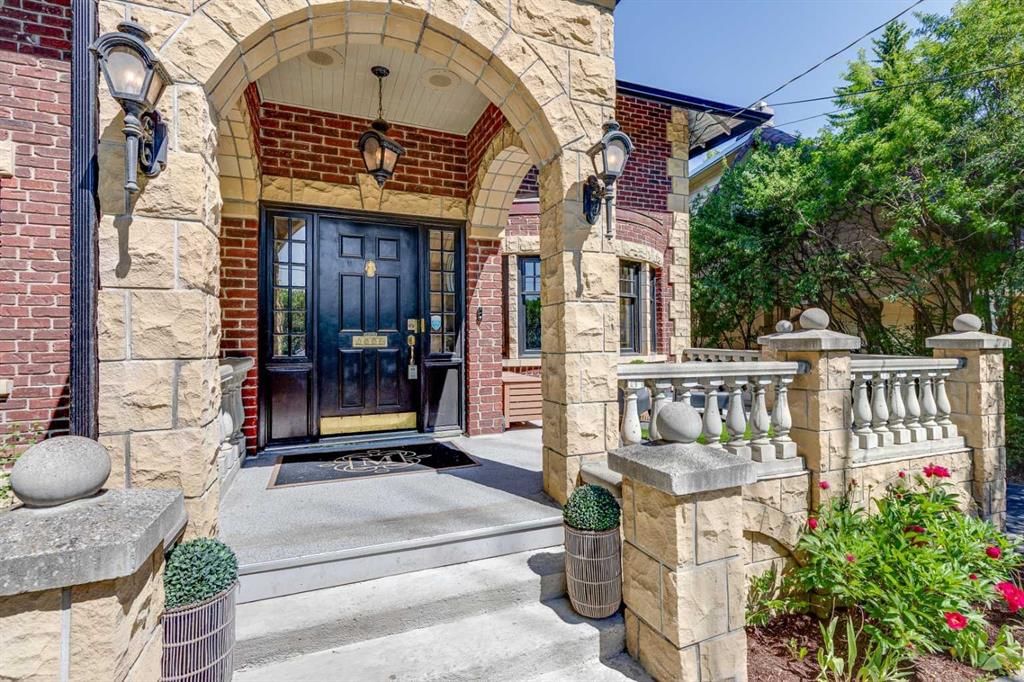
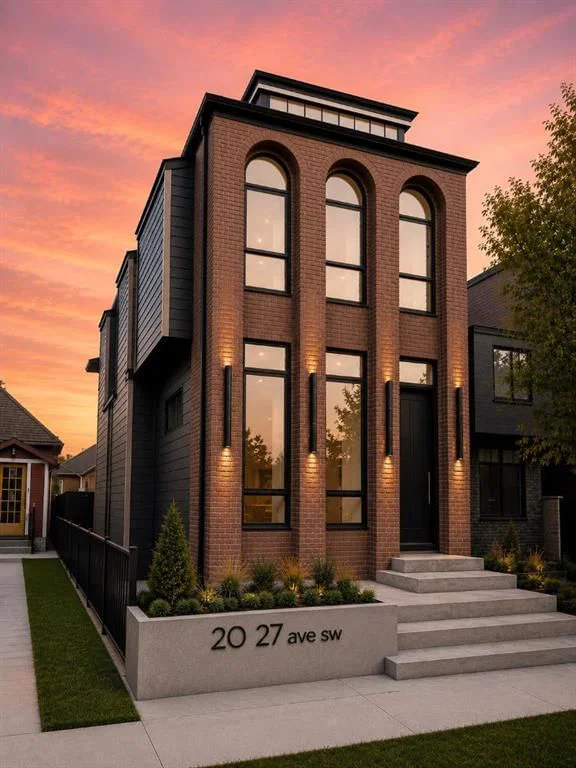
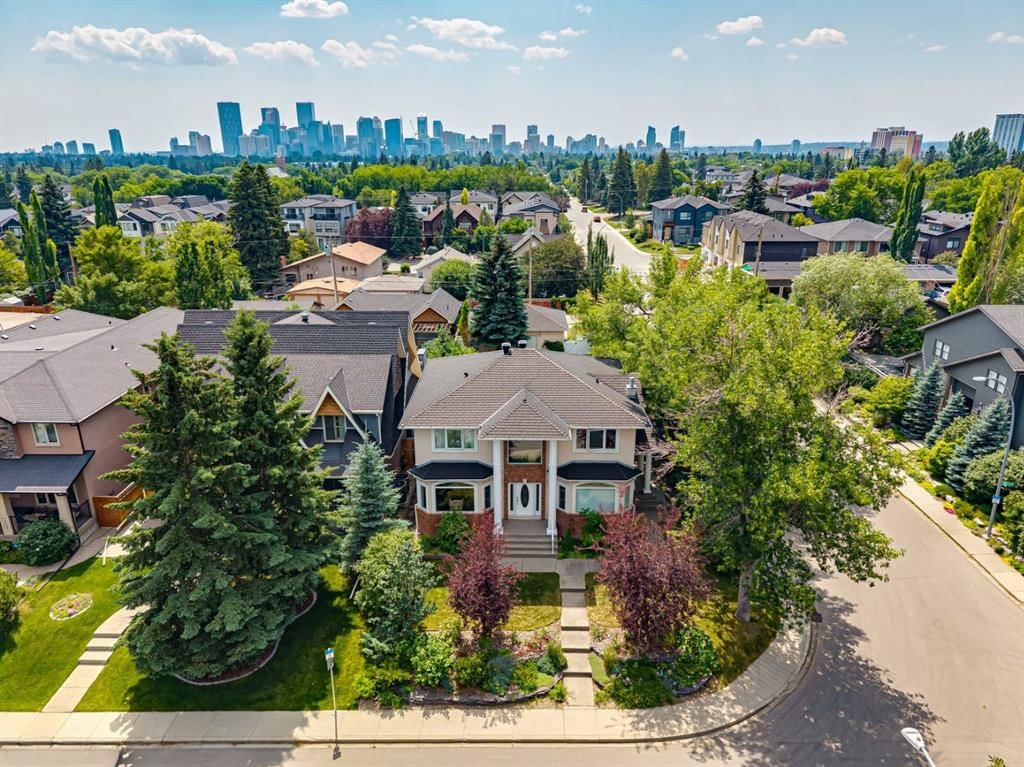
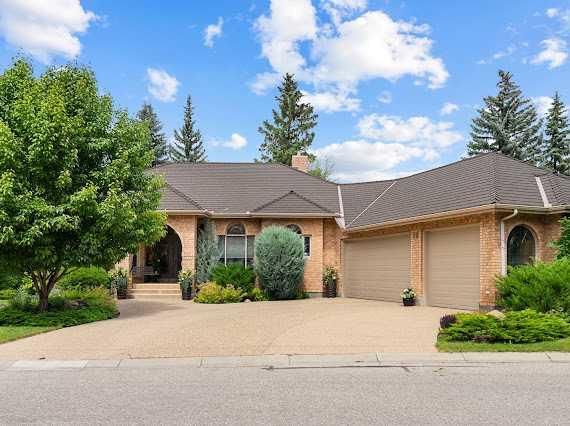
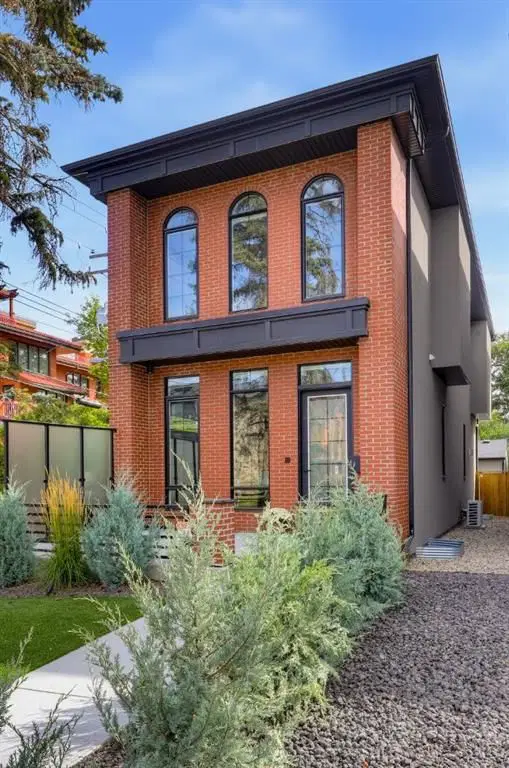
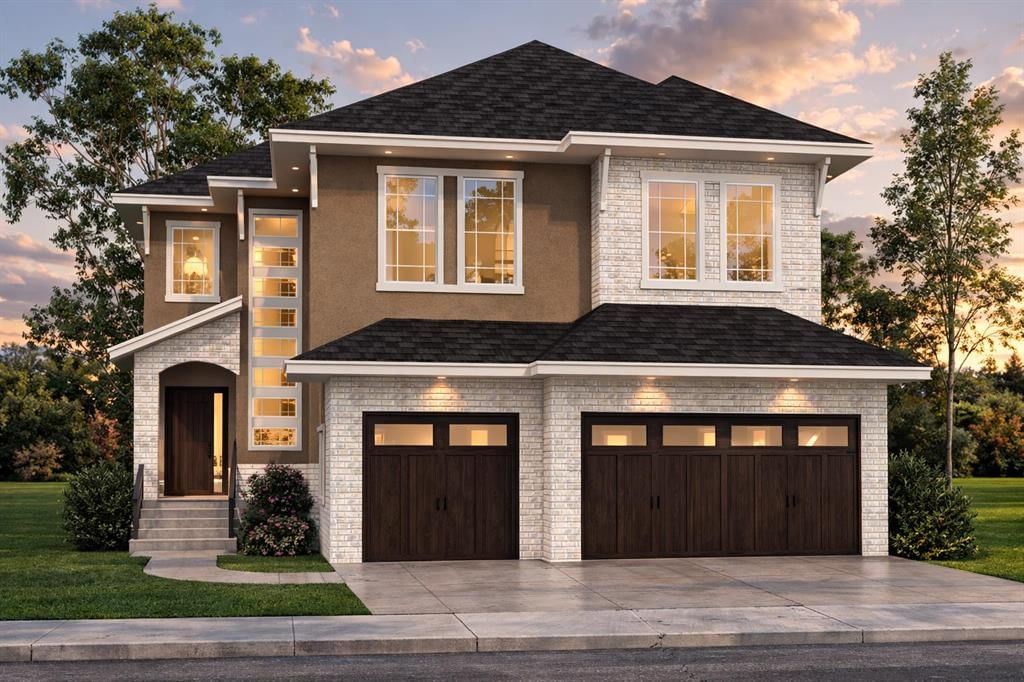
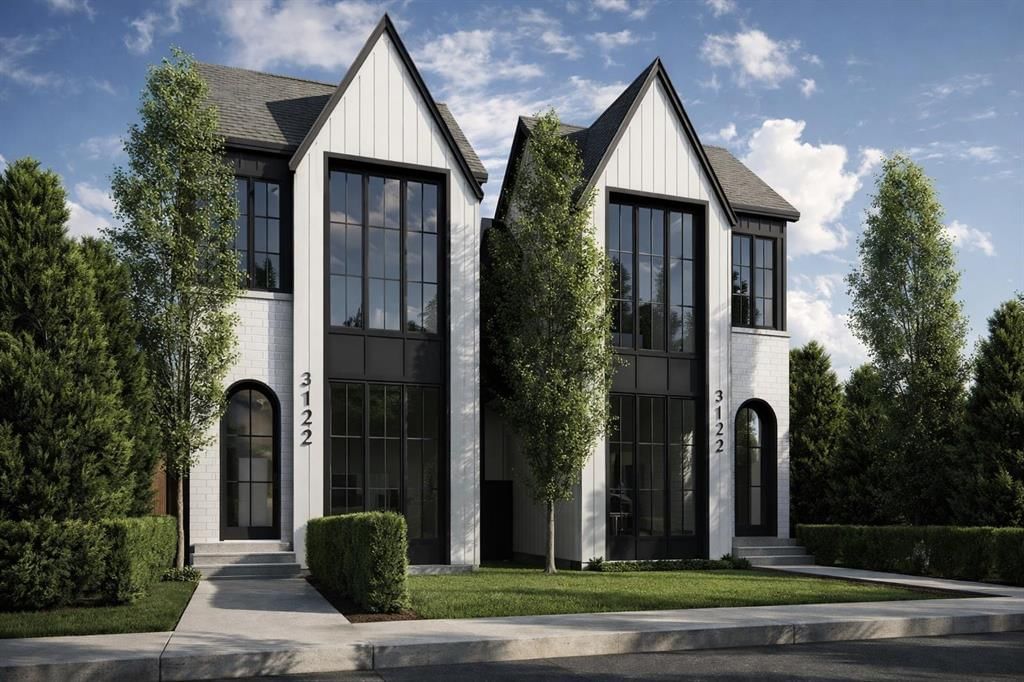
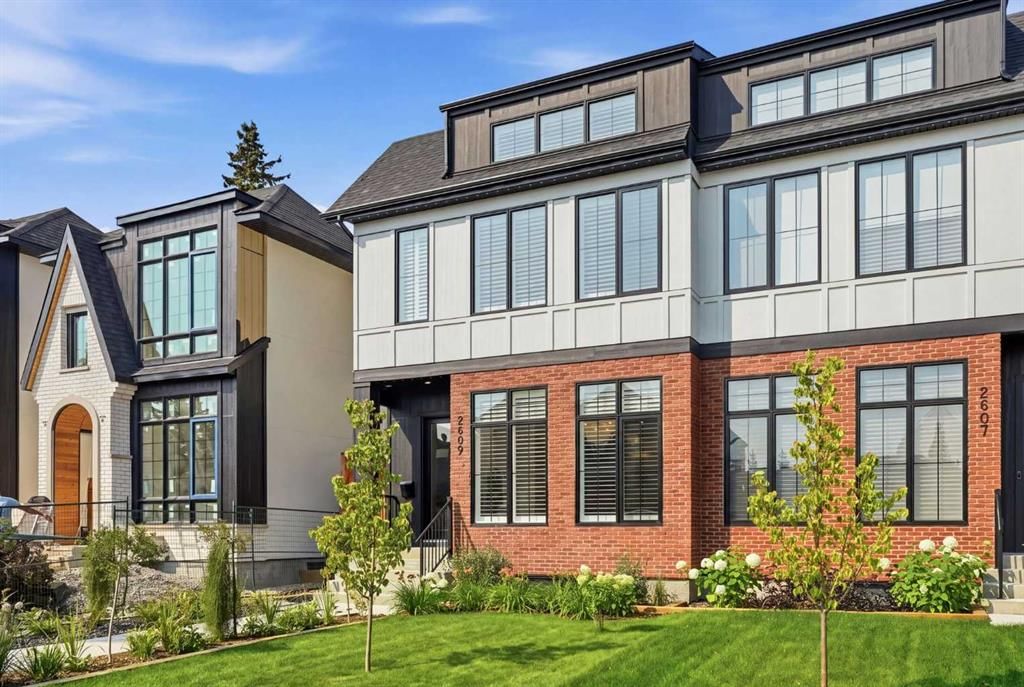
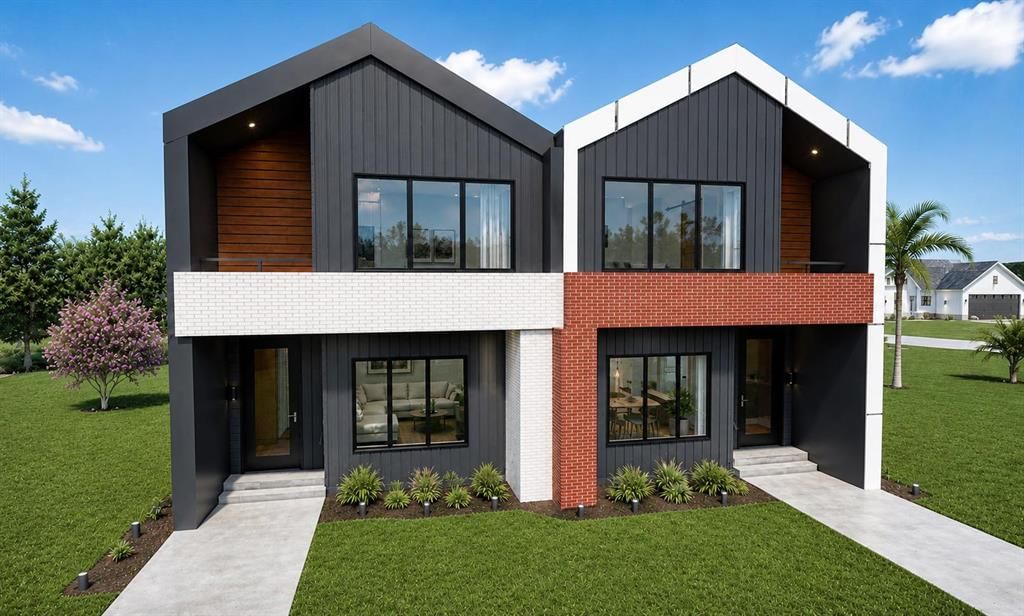
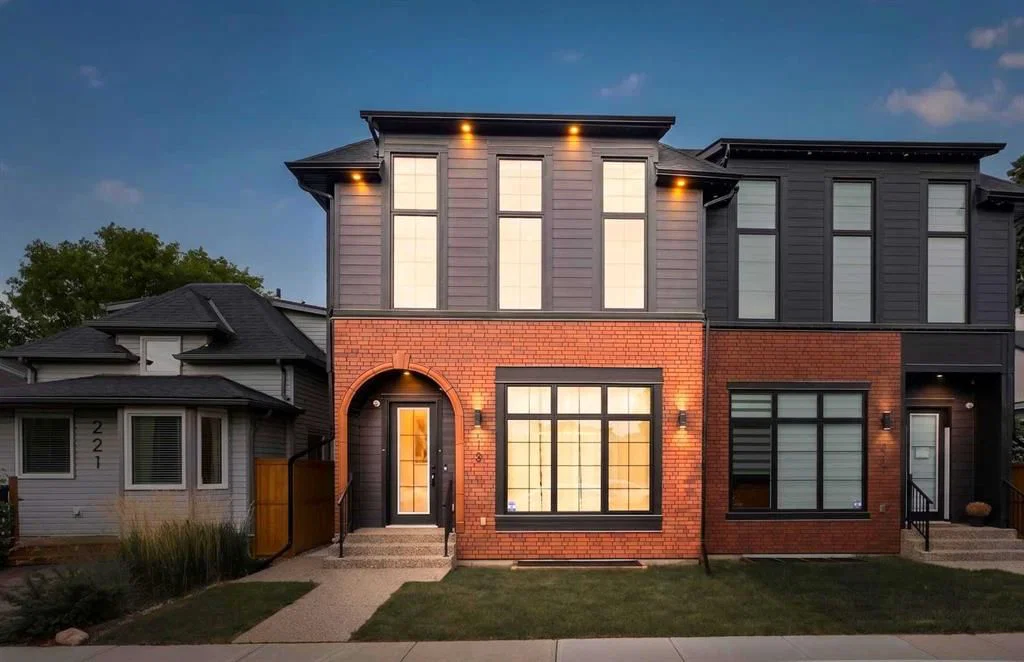
So where does brick actually appear here? Three places. First, the pre-war inner city, where a small number of solid masonry houses and many brick chimneys and foundations survive in Bridgeland, Mount Royal, Elbow Park, Scarboro, Crescent Heights and Inglewood — the same ground covered by our character homes page. Second, the suburbs of the 1970s through the 1990s, where a brick or stone front elevation was a common upgrade over a stucco or siding house, usually wrapping only the front and returning a short distance down each side. Third, current construction, where brick appears as a deliberate design choice on inner-city infills and on some estate homes.
Solid Masonry Versus Brick Veneer
These are structurally unrelated, and the distinction changes what a problem means.
In solid masonry the brick is the wall. Two or more layers of brick are bonded together and carry load, and the house is essentially a masonry box. In brick veneer the wall is a wood frame doing all the structural work, with a single layer of brick hung on the outside, tied back with metal ties, and separated from the sheathing by a drainage cavity. The cavity is the point: it collects any water that gets through the brick and drains it out through weep holes at the base.
How to tell which one you are looking at. Solid masonry usually shows a bond pattern with header courses — bricks laid end-on to tie the layers together — and the wall reads thick where you can see it at a window or door opening. Veneer is almost always laid in a running bond with no headers, and you should be able to find small open vertical joints at the bottom course and above windows. Those are the weeps, and blocked or painted-over weeps are a genuine defect, not a cosmetic one.
Freeze-Thaw, Chinooks and What Mortar Does
Calgary is unusually hard on masonry, and it is not the cold that does it. It is the number of times a wall crosses the freezing point. A chinook can lift temperatures far above zero in the middle of winter, melt snow against the base of a wall, and let it refreeze the same night. Water that has soaked into a brick expands when it freezes, and repeated cycles push the face of the brick off in flakes — spalling. The same cycling erodes mortar joints from the outside in.
Two things follow from that. Keep water out of the masonry: grade sloping away, downspouts discharging well clear of the wall, no sprinkler spraying brick, and snow not piled against the base all winter. And when repointing is needed, the new mortar has to be matched to the old. Mortar is meant to be the sacrificial, softer element; packing a soft old wall with hard modern cement mortar forces the movement into the brick instead and destroys the face of it. That is specialist work for a mason, not a general handyman.
White powdery staining — efflorescence — is salt left behind as water moves through and evaporates. A little on a new wall is normal. Persistent, spreading efflorescence means water is getting in and has somewhere to come from.
What an Inspector Looks At and What You Should Ask
- Stair-step cracking following the mortar joints above and below window openings, and any vertical crack at a corner.
- Steel lintels over windows and doors: rust jacking lifts the brick above and opens the joint.
- Weep holes present, open and unpainted at the base course and above openings.
- Grade or a deck ledger too high against the brick, and downspouts discharging at the foundation.
- Brick that sounds hollow when tapped, or a wall that bulges or leans — in veneer, that means failing ties.
- The chimney, which is the most exposed masonry on the house: cap, crown, flashing and joint condition.
- Evidence of previous repointing, and whether the colour, texture and hardness match what surrounds it.
None of this should put you off. Well-built, well-drained brick is durable, low-maintenance and distinctive on a street of stucco. Just price the repair path honestly, because masonry work is trade-intensive, and read our guide to Calgary home inspection reports and what to inspect by decade alongside it. If it is the look you are after rather than the material, the tile and panelled feature walls in contemporary Calgary interiors scratch a similar itch with none of the mortar.