Calgary Character Homes
Calgary's pre-war housing stock is small, geographically concentrated and not being made any more. Most of it went up in two bursts — the boom years either side of 1910 and again in the years between the wars — and it survives in a ring of communities close to the Bow and the Elbow. At any given moment only a modest number of listings are actually described as character homes, so this is a search worth saving rather than refreshing.
One thing to understand about the list: it is generated from the words listing agents chose, so it returns the homes marketed on their character. A beautifully intact 1912 house whose agent led with the renovated kitchen instead will be missing, and a heavily modernized one that kept the word in the remarks will be included.
What "Character" Means in a Calgary Listing
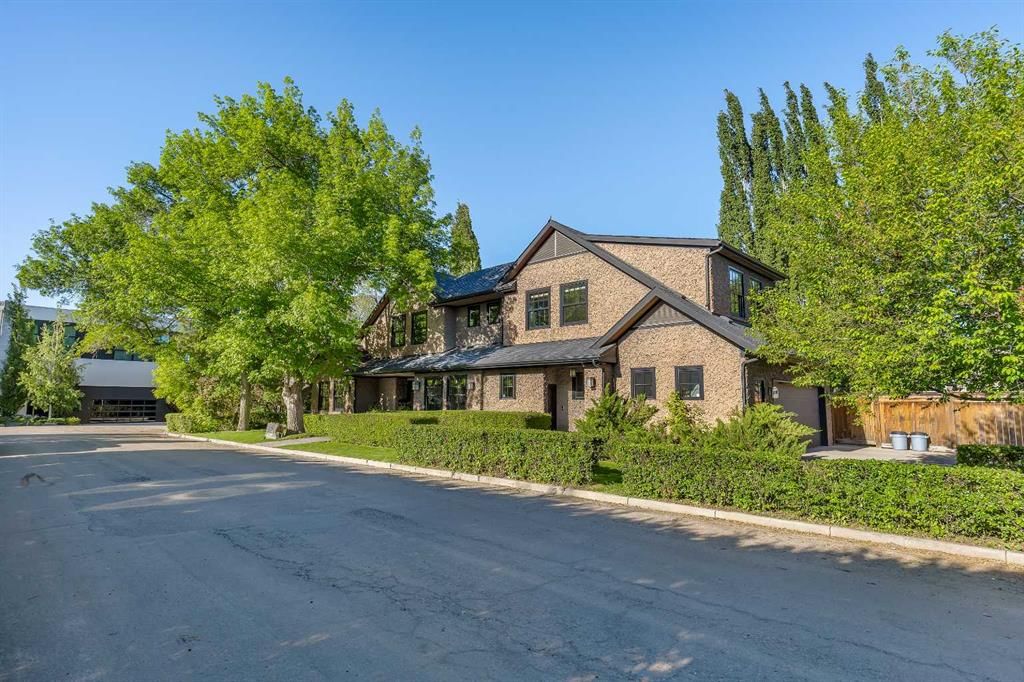
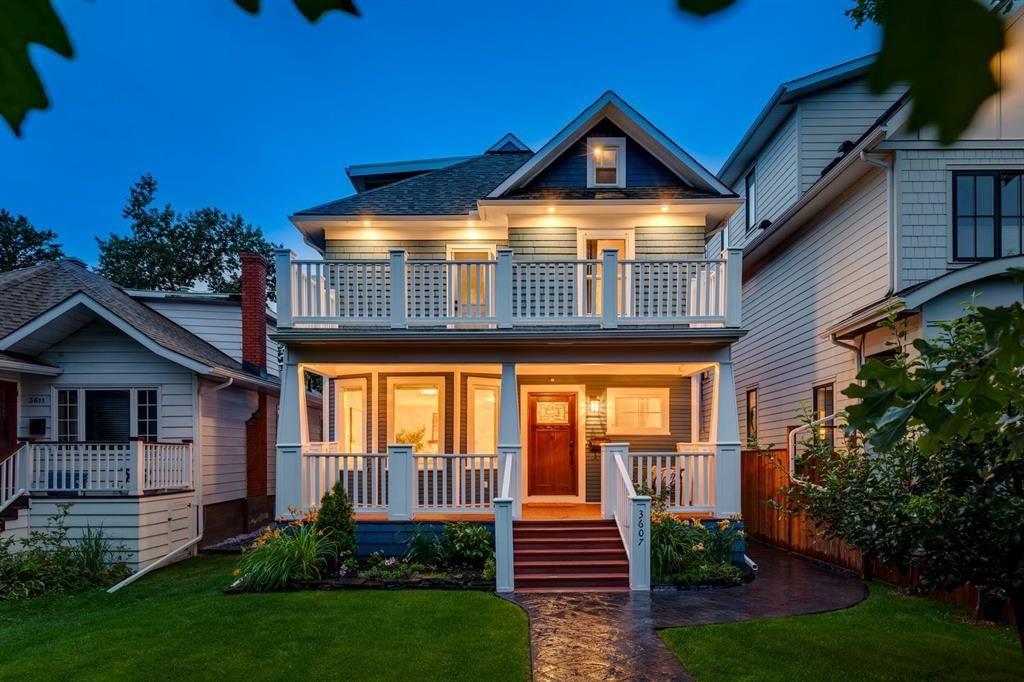
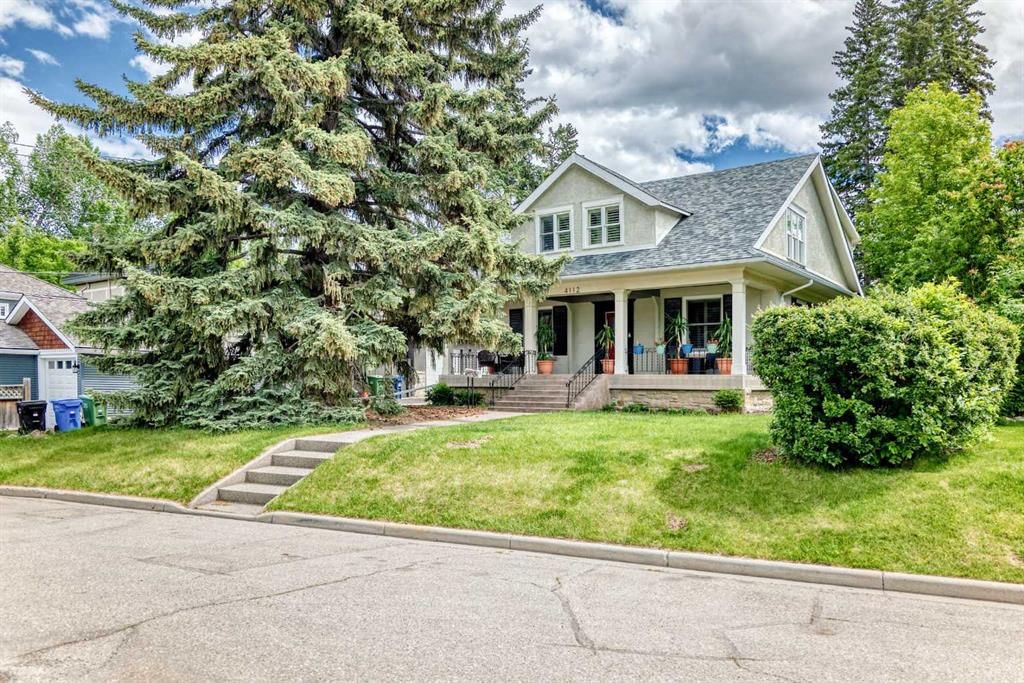
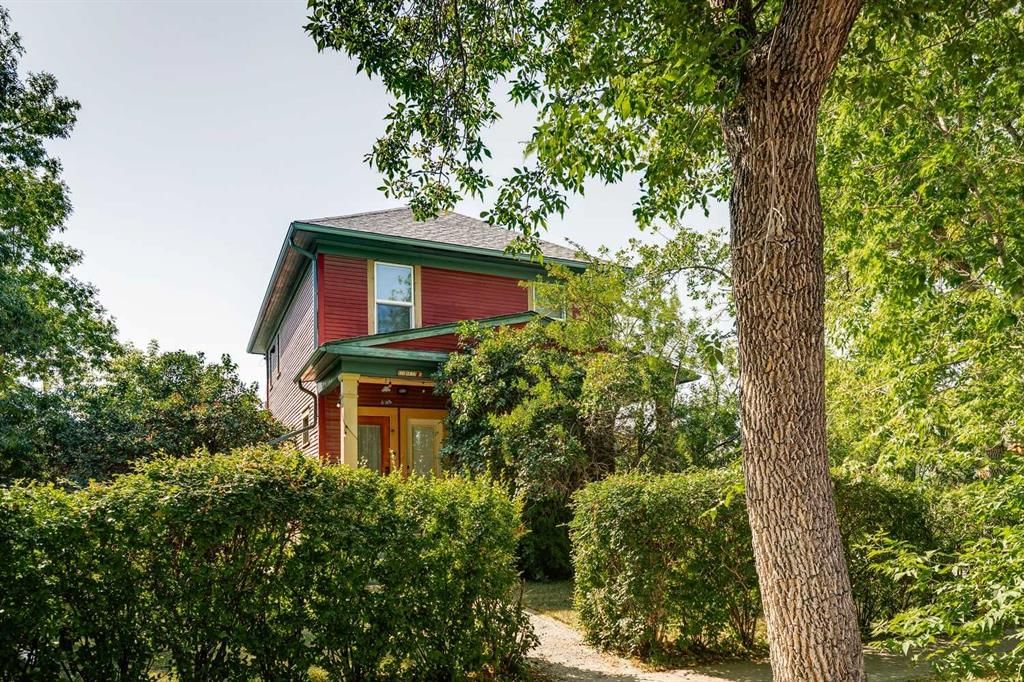
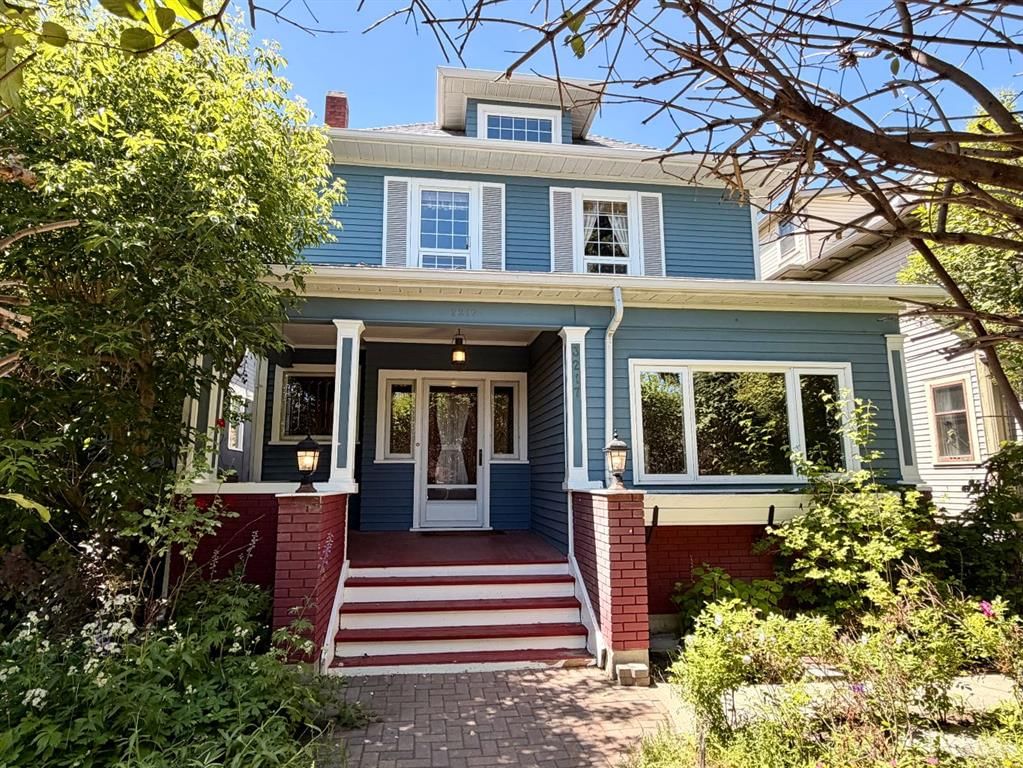
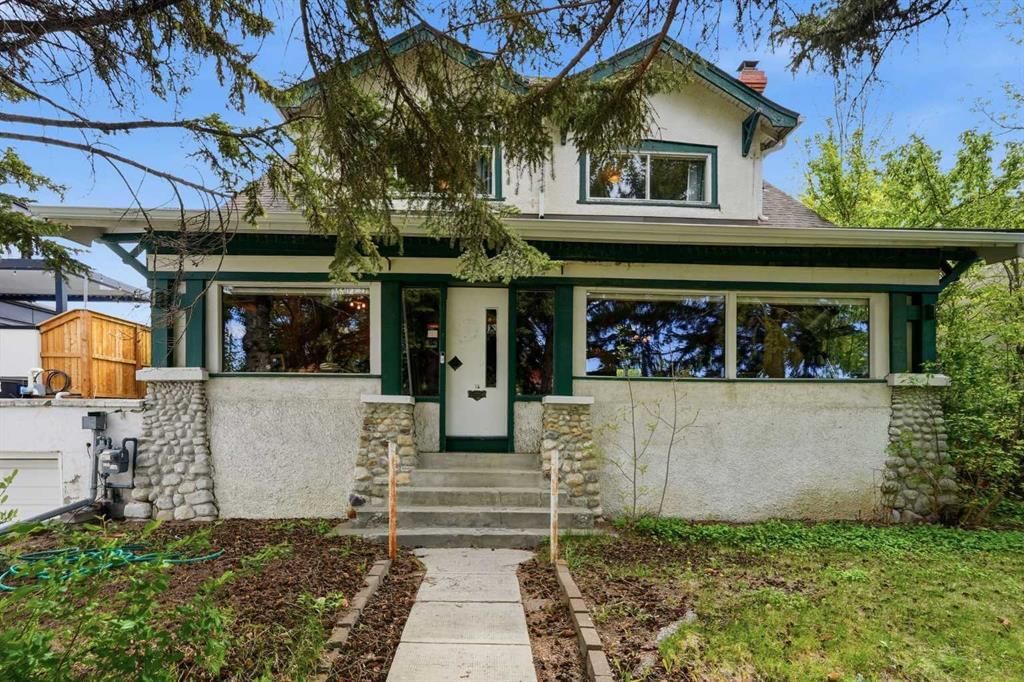
Geographically it means Inglewood and Ramsay, Bridgeland and Crescent Heights, Sunnyside and Hillhurst, Mount Pleasant, Renfrew, Cliff Bungalow and Mission, Bankview, Erlton, Scarboro, Rosedale, Elbow Park and Mount Royal. Architecturally it means the Craftsman bungalow with its deep verandah and tapered columns, the foursquare, the gabled cottage, and the odd early Tudor or Colonial Revival on the wealthier streets.
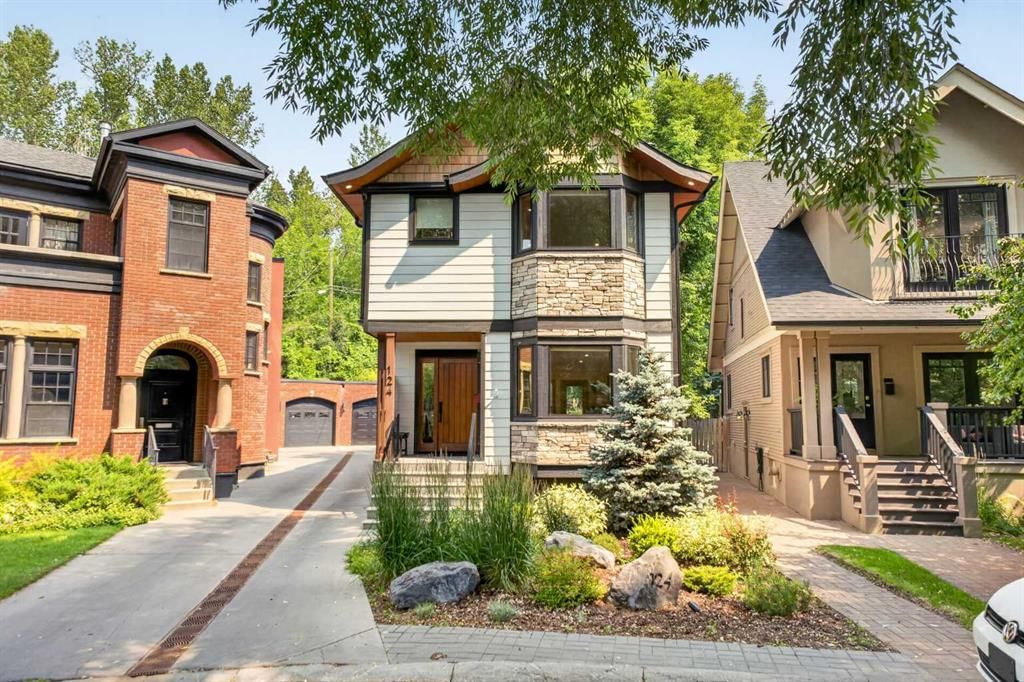
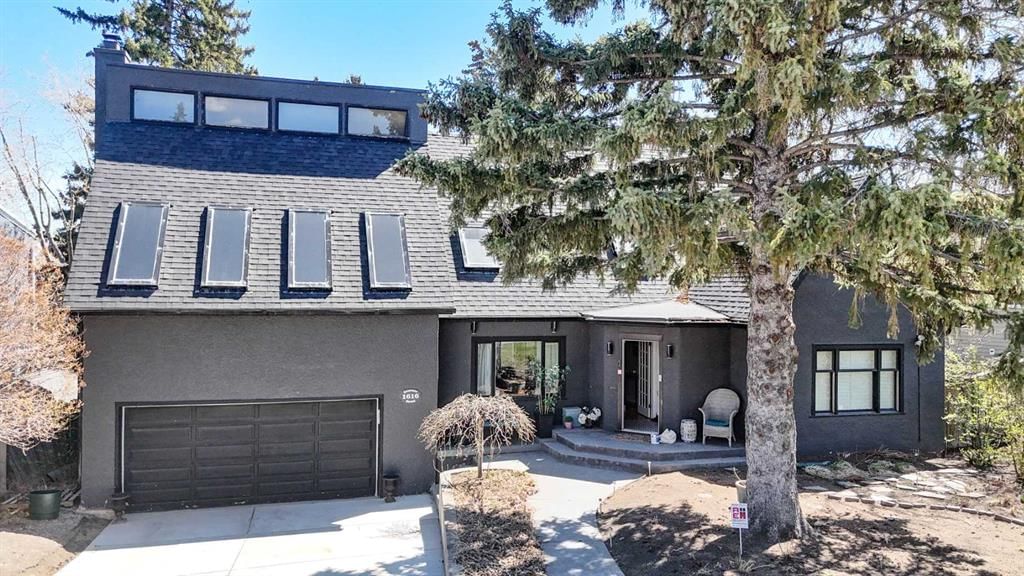
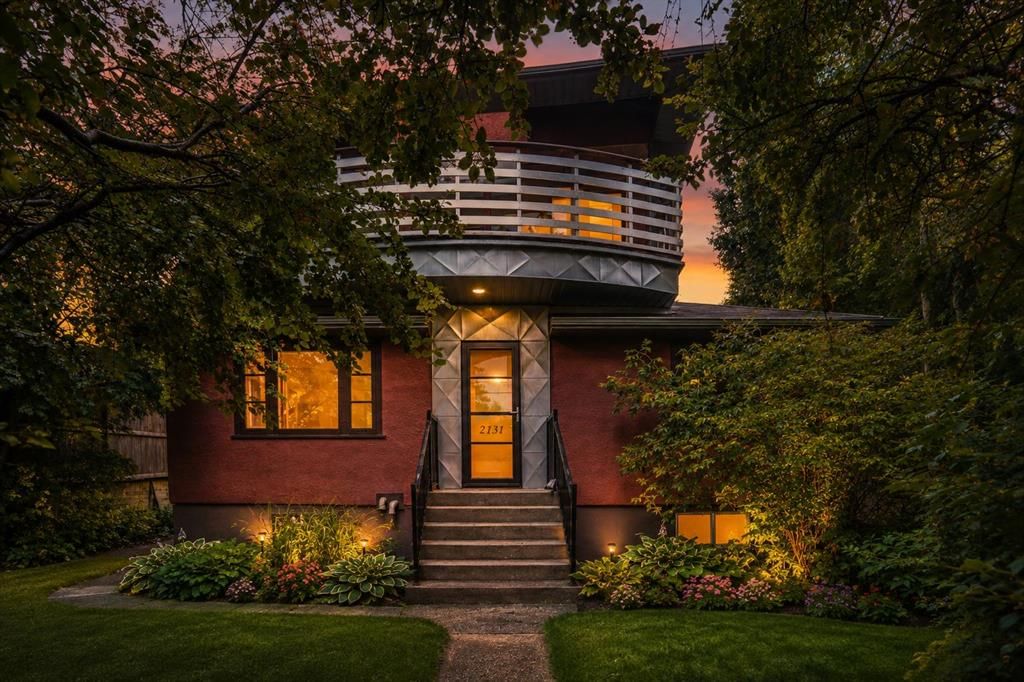
Inside, the word covers two very different houses. One still has its fir floors and wide casings, its leaded or stained glass, a built-in buffet, a clawfoot tub, plaster walls, and doors with their original hardware. The other has an original roofline and a gutted interior — new everything, character in the silhouette only. Both get described the same way. Your first job at a showing is deciding which one you are standing in, and whether you mind. Our comparison of newer versus character homes in Calgary works through that trade-off in more depth.
The Condition List Specific to These Houses
A hundred-year-old house is not a defective house. It is a house whose systems have all been replaced at least once, and your task is finding out which replacements happened and which did not.
- Electrical. Undersized services, fuse panels and knob-and-tube remnants are all realistic. Ask what is behind the walls, not just what the panel looks like, and find out whether the service has ever been upgraded.
- Foundation. Many of these sit on rubble stone or unreinforced cast concrete. Parging that hides more than it shows, spalling, and sloped floors are common, and knowing which cracks are structural and which are cosmetic is a job for the inspection.
- Water. Grade that falls toward the house, a downspout discharging at the wall, and no weeping tile at all are the usual sources of a damp basement.
- Plumbing and sewer. Galvanized supply lines, cast-iron stacks and a clay service line running under seventy years of elm roots. Have the line scoped.
- Materials. Asbestos in plaster, duct wrap, flooring and vermiculite insulation are all era-appropriate risks. Plan renovations around what testing shows, not around what you hope.
- Envelope and heat. Little or no wall insulation, single-pane or early replacement windows, and chimneys that may be unlined. All of it shows up on a January gas bill.
- Headroom. Basements were storage, not living space. Low ceilings limit what a development down there can ever be.
Many of These Are Bought for the Lot
This is the part sellers know and buyers sometimes learn late. In the inner city a large share of the price is the land, and on some streets you are bidding against builders who intend to remove the house. That competition sets a floor under the price of a tired character home and a ceiling over what a restoration can return, because the buyer who wants the lot does not pay for the buffet and the leaded glass.
It also means you must not assume a redevelopment right. Calgary's 2024 citywide rezoning was repealed effective 4 August 2026, and land use designation is now a parcel-by-parcel question. Look up the specific parcel — our guide on finding a property's zoning shows how — and read our explanation of what R-CG actually permits before you form a plan. Even where a designation allows a form, the lot dimensions, setbacks and current bylaw rules still have to work.
Heritage, Insurance and Financing Questions
Three questions worth asking early. The City maintains an inventory of evaluated historic resources, and a property being listed on an inventory is a different thing from being legally designated as a Municipal Historic Resource — designation carries real obligations and sometimes real support. Confirm the status of the specific address with the City rather than assuming from the age of the house.
Insurance is the second. Insurers ask about the age of the roof, the wiring, the plumbing and the heating system, and some will require updates as a condition of coverage. Get a quote during your condition period, not after. Financing is the third: lender requirements vary by lender, particularly where wiring or foundation work is outstanding, and that is a conversation for your mortgage professional rather than for us.
If the appeal for you is the era and the craft rather than the pre-war date specifically, our mid-century modern page covers the postwar side, and brick exteriors covers the small group of Calgary houses built in masonry.