

Calgary Mid-Century Modern Homes
This is the rarest search in our feature set, and we would rather say that plainly than pretend otherwise. On most days only a handful of Calgary listings are described as mid-century modern, and some of those are 1960s houses claiming a style they were never designed with. If the list below is short or empty when you visit, that is the market, not a glitch. Save the search and let it find you.
How the list is built is worth knowing here more than anywhere else: it looks for the phrase in the listing description. A genuine post-and-beam house sold by an agent who never used the term will not appear, and a plain 1965 bungalow whose agent did use it will. On a pool this small, that distortion matters, so we go looking manually as well.
Where Calgary's Real Postwar Stock Sits
Calgary's mid-century is roughly the mid-1950s through the early 1970s, and it is a story of oil money, a young city and a lot of new land. The design-forward houses of that era cluster in a few places. The inner southwest escarpment communities — Britannia, Elboya, Mayfair, Bel-Aire, Pump Hill, Kelvin Grove and the edges of Elbow Park and Rosedale — hold the best of the architect-designed work, sited on ravine and view lots. In the southeast, Lake Bonavista and Willow Park were late-sixties master-planned communities with strong period character. In the northwest, Varsity, Brentwood, Charleswood, Cambrian Heights and Collingwood carry the same era at a more modest scale, as do Wildwood, Glendale, Acadia and Haysboro.
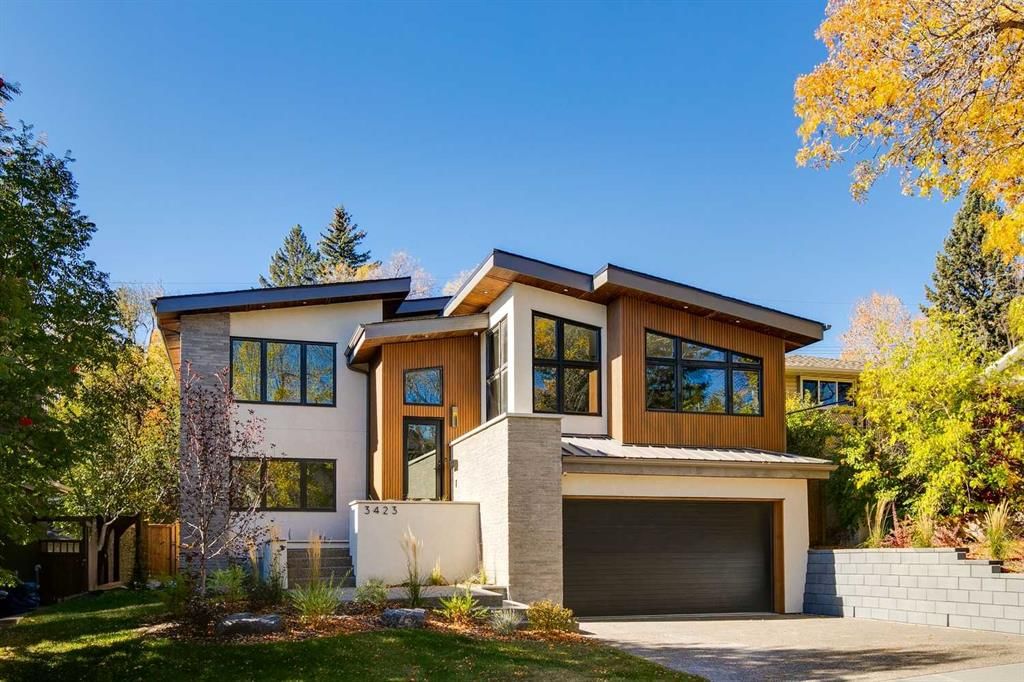
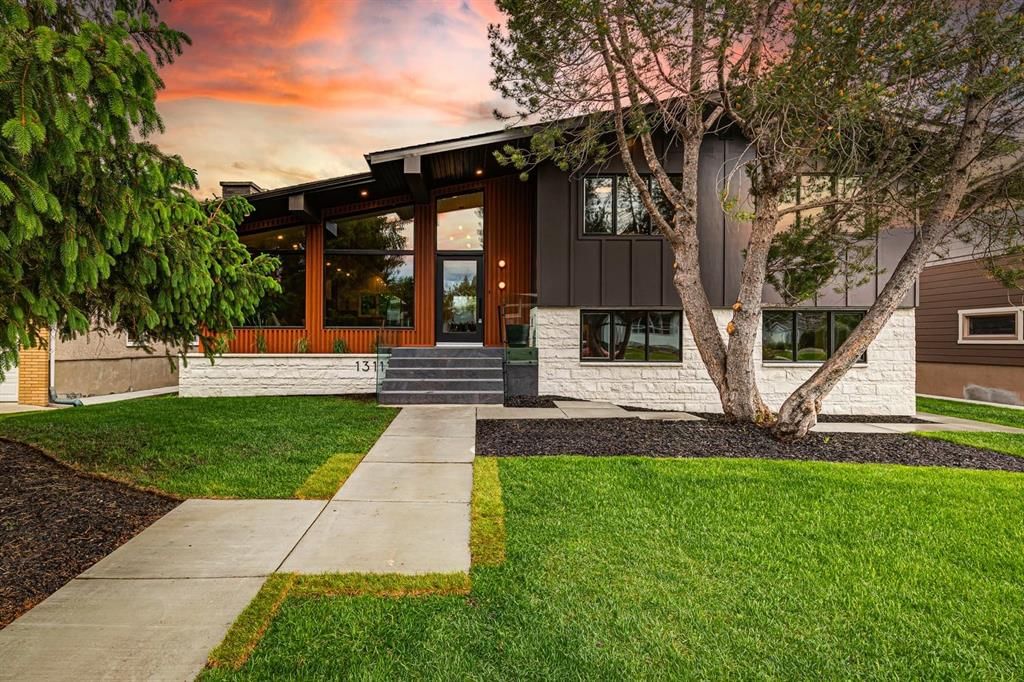
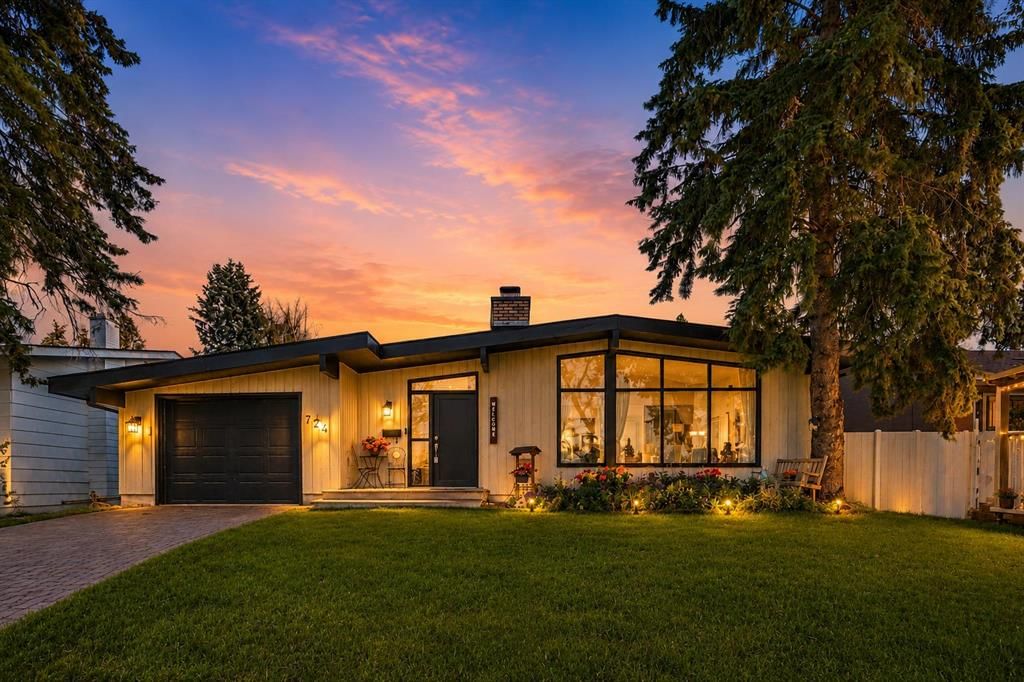
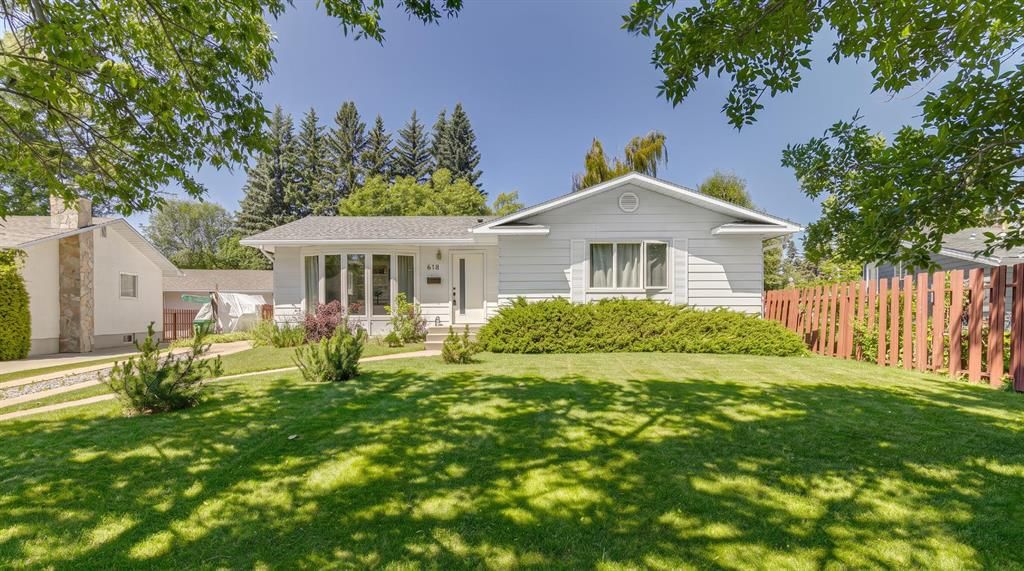
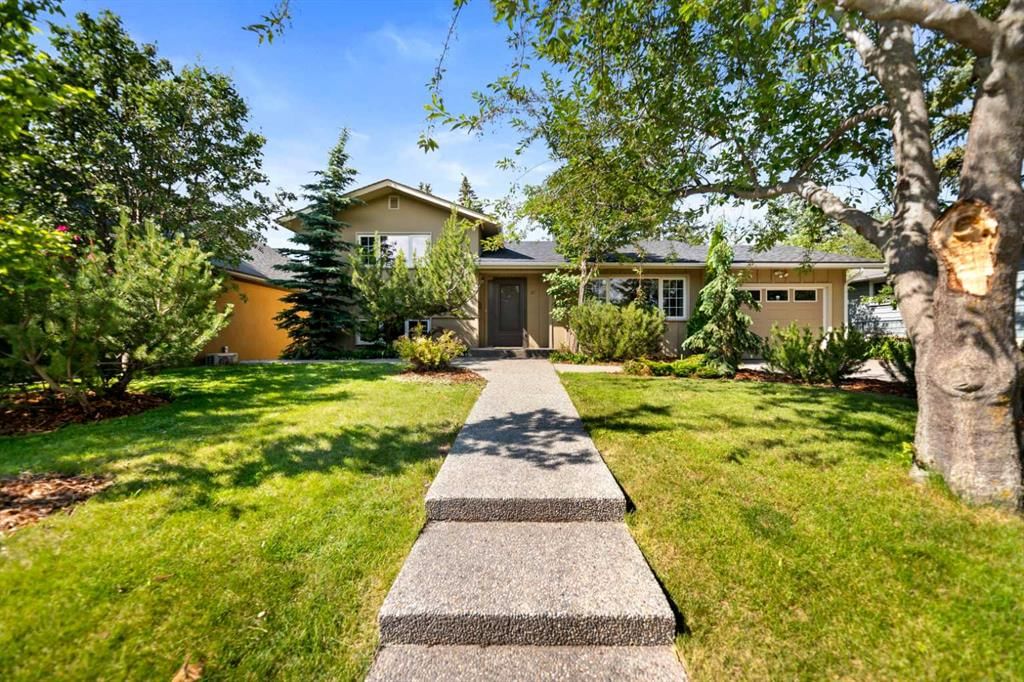
The forms to recognize: low-pitched or flat roofs with deep overhanging eaves, exposed beams that continue from inside to outside, window walls and clerestory bands, split-level and bi-level plans, sunken living rooms, brick or terrazzo hearths, and generous original millwork in fir or walnut. Once you know the vocabulary you will start seeing it on streets you have driven for years.
What Makes One Worth Buying
The value in these houses is the intact original idea. What we look for on a walkthrough: has the roofline been altered or a dormer bolted on, are the original glazing lines still there or has a window wall been infilled with drywall and a small punched opening, does the plan still read as designed, and has the original cabinetry, hearth and stair survived or been replaced with something generic.
A house that kept its bones and had its systems quietly updated is a far better buy than one that was renovated in 1998 and had its character removed in the process, even if the second one shows better on a Tuesday night. And be candid with yourself about the third category: a competent, unremarkable 1962 bungalow with no design intent whatsoever, described as mid-century modern because it was built in the middle of the century. That is a fine house. It is not the thing you are searching for.
The Condition List for a Sixty-Year-Old House
- Glazing. Large fixed units in wood or early aluminium frames are the signature feature and the biggest line item. Failed seals, non-standard sizes and custom fabrication are common, and aluminium frames without a thermal break are miserable in January.
- Insulation. Walls and roofs were built to the expectations of the day. A vaulted or flat roof assembly in particular has limited cavity depth, and improving it usually means work from above.
- Electrical. Ask what the service is and what the branch wiring is made of. Our pages on 60-amp versus 100-amp service and on aluminum wiring in Calgary houses cover both, and both affect insurability.
- Flat and low-slope roofs. The defining feature is also the maintenance item. Membrane type and age, drainage and ponding, and parapet flashing all matter, and Calgary's chinook cycle of melt and refreeze is unusually hard on them.
- Hazardous materials. Attic vermiculite and asbestos-containing finishes are realistic for this era — see asbestos and vermiculite in older Calgary homes before you plan a renovation.
- Plumbing and drains. Galvanized supply, cast-iron stacks, and a clay or cast-iron sewer line under mature trees. A camera scope of the line is cheap insurance.
- Levels. Sunken rooms, split entries and half-flights are charming and are not accessible. If single-level living matters, a home with a main-floor bedroom is the better search.
How They Trade, and What to Expect
Two things make these properties behave differently from ordinary resale. First, the buyer pool is small and specific, which cuts both ways: fewer competing offers most of the time, and occasionally a bidding contest when the right house appears, because the enthusiasts all know each other. Second, comparables are thin. When only a few similar houses trade in a year, appraisal and pricing become a matter of judgement, and financing timelines can stretch.
The third thing is land. Many of these houses sit on generous, well-located lots, which means they sometimes compete with buyers who intend to remove them. What a given parcel permits is a parcel-by-parcel question — Calgary's 2024 citywide rezoning was repealed effective 4 August 2026, so never assume a redevelopment right from the neighbourhood alone. Start with how to find a Calgary property's zoning. If what draws you is age and craft rather than the specific postwar aesthetic, our Calgary character homes page covers the pre-war inner city, and modern and contemporary interiors covers the current version of the look.