







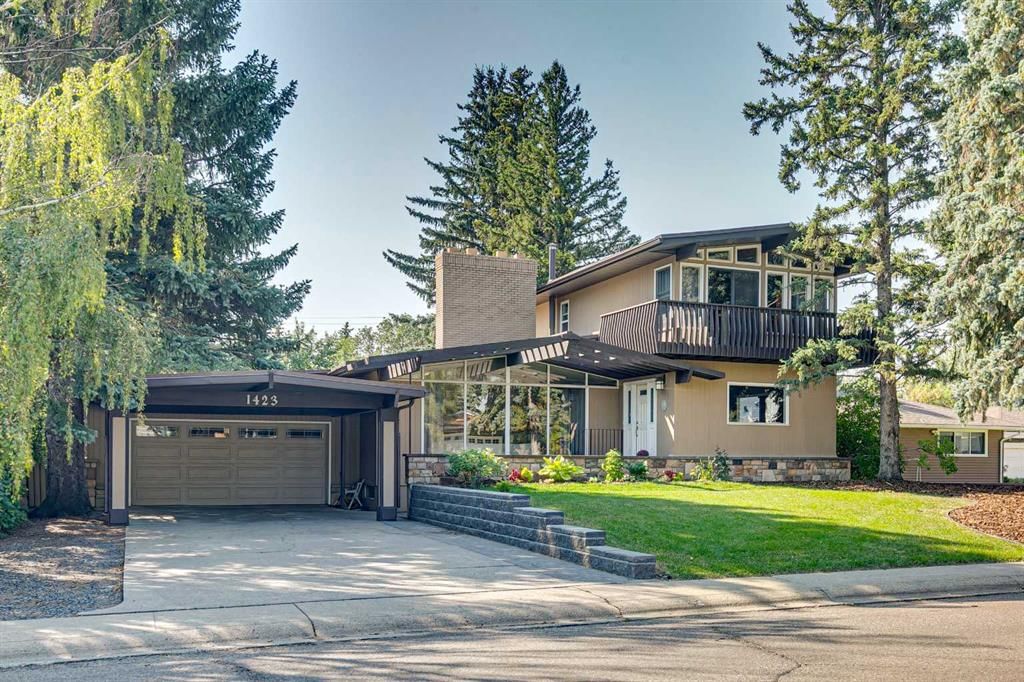
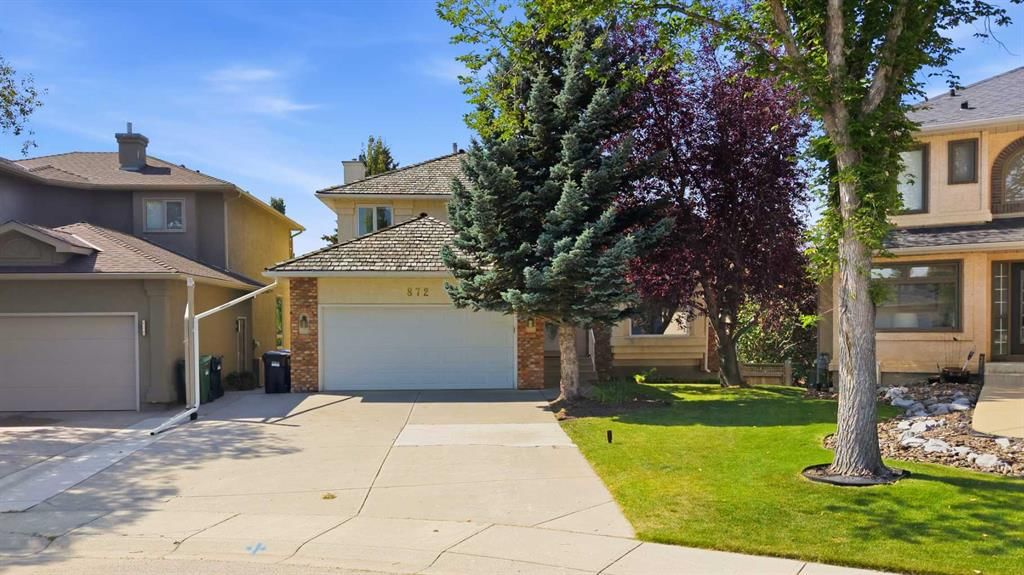

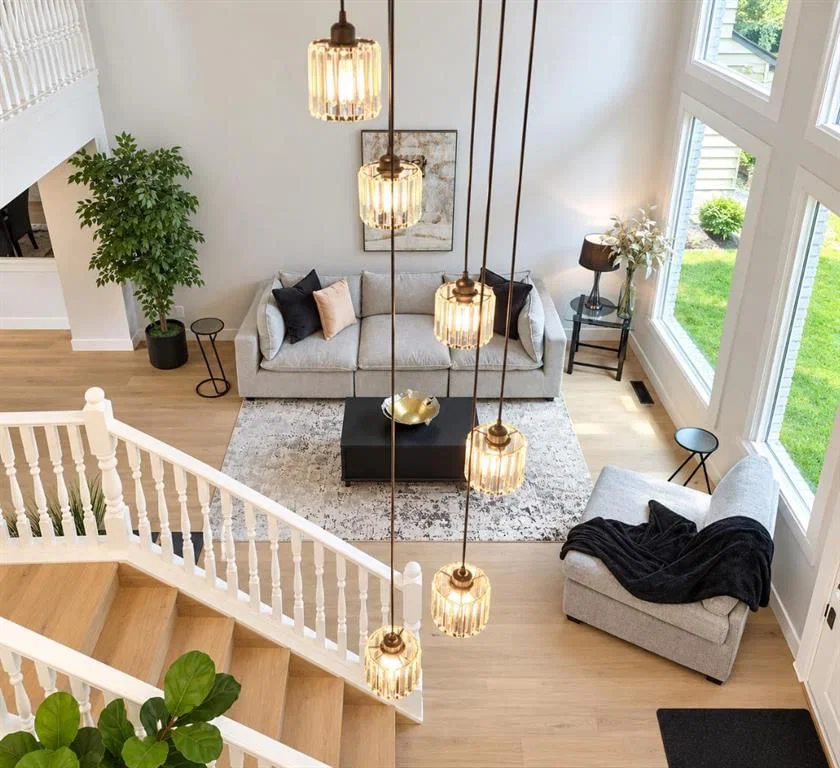
Calgary Homes with Floor-to-Ceiling Windows
Full-height glass is a condo feature here before it is a house feature. Most of what you will see below sits in the towers of the Beltline, the downtown core, East Village and Eau Claire, where curtain-wall construction made floor-to-ceiling windows the standard rather than an upgrade. The rest are new inner-city infills, where the builder put a window wall across the back of an open main floor to pull light into a narrow lot.
A note on how this list is built: it reads the written description an agent attached to the MLS® listing and surfaces the homes described as having floor-to-ceiling or full-height windows. Wording varies — one agent writes "window wall", another writes nothing at all — so treat this as the homes marketed on their glass, not a complete register of every large window in the city.
What Big Glass Does on a Minus-Thirty Morning
This is the part the photographs never show. A large pane of glass is the coldest interior surface in the room, and on a genuinely cold Calgary morning you feel it two ways: radiant loss, where your body sheds heat toward the window and the room reads colder than the thermostat says, and a cold-air downdraft that slides off the glass and pools at the floor. That is why so many tower suites have a baseboard or a floor register placed hard against the window — it exists to fight the downdraft.
Then there is condensation. Calgary winter air is dry, but a home with cooking, showers and people still generates moisture, and it will find the coldest surface. A little edge fogging on a very cold morning is physics. What you want to look for instead is frost forming on the frame itself, water tracking down onto the sill, black staining on the drywall return, or haze and mineral streaking trapped between the panes — that last one is a failed seal in the sealed unit, and it does not clean off.
Ask what the glazing actually is: double or triple pane, whether it carries a low-emissivity coating, and whether the spacer at the edge is metal or a warm-edge type. Older curtain-wall towers were built to the standards of their day, and an aluminium frame with no thermal break will transmit cold no matter how good the glass sitting in it is.
West Exposure, Long Evenings and the Cooling Problem
Cold is only half of it. A west or southwest wall of glass collects a great deal of sun, and a Calgary June evening stays bright very late. A suite that is pleasant in February can be genuinely hot at seven in the evening in July, and many older buildings have no central cooling — we walk through this on our page covering air conditioning in Calgary condos. Portable and window units are frequently restricted by the bylaws, and anything mounted on the exterior of a tower usually is not permitted at all.
So the shading has to happen on the inside, and that is a real cost people underestimate. Full-height openings need tall custom coverings, often motorized because you cannot reach the top, and in a corner suite there can be a great many of them. Budget for it as part of the purchase, not as a later nice-to-have. Chinook light in winter is the pleasant version of the same effect: strong low sun through a south or west wall can heat a room noticeably in January.
In a Condo, Who Actually Owns the Window?
There is no single Calgary answer to this, and anyone who gives you one is guessing. Whether a window, its frame, the sealed unit, the balcony door and the balcony itself are unit property, exclusive-use common property or plain common property is set by the registered condominium plan and the corporation's own documents. That allocation decides who arranges a repair, who pays for it, and whether a building-wide window or curtain-wall replacement lands as a reserve fund expense or a special assessment.
Two documents answer it. The bylaws set the maintenance and repair obligations, and the insurance summary shows where the corporation's policy stops and your own unit policy has to start. In a glass-clad building this is not a technicality — the envelope is the single most expensive thing the corporation owns. We are not document reviewers; we point you to a lawyer or a condo document review service, and we make sure the question gets asked before your condition period closes.
What to Look at During the Showing
- Stand at the glass and feel for a draft at ankle height, then put your hand on the frame.
- Check every pane for haze, streaking or a milky film between the layers.
- Look at the drywall and paint where the wall meets the window — staining there is a history.
- Note the compass direction of the main wall of glass and think about four in the afternoon.
- Ask whether window coverings are included, and measure the tallest opening.
- In a tower, ask how often the exterior glass is cleaned and who pays for it.
- In a house, ask when the sealed units were last replaced and whether any warranty transfers.
Glass sells a home. It shows beautifully, it widens the buyer pool, and it pairs naturally with the downtown and city view listings and with the modern and contemporary interiors people search alongside it. Just buy it with the winter in mind as well as the listing photos.