

Calgary Homes with Wood Kitchens
One word, two completely different purchases. “Wood kitchen” in a Calgary listing means either the original golden oak that came with a house built between about 1975 and 1992, or the walnut and rift white-oak millwork going into today's infills and custom builds. They are decades and a great deal of money apart, and the remarks often do not distinguish.
Before you read further, know what the list below is doing. It scans the descriptions agents wrote, so it surfaces homes where somebody mentioned wood cabinetry — a mix of both kinds, sorted by nothing but the wording.
The 1970s and 1980s Oak Calgary Is Full Of
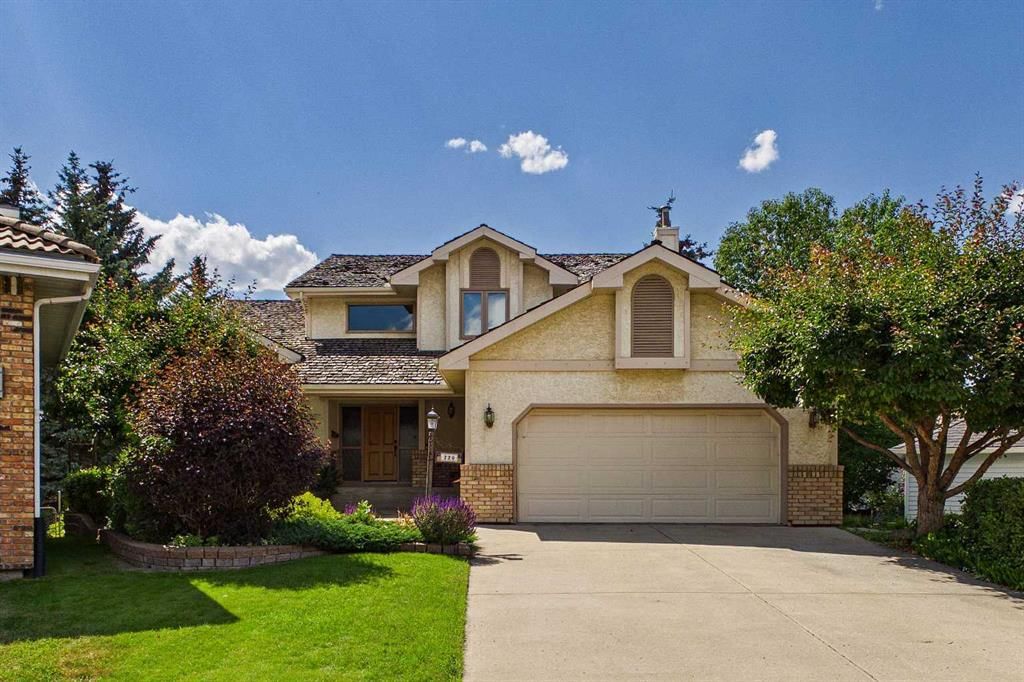
Calgary's suburban expansion in those decades came with a nearly standard kitchen: solid oak raised-panel doors with an arched top rail, a scalloped valance above the sink, matching oak trim and railings through the rest of the house, an eight-foot ceiling, laminate counters and a fluorescent ceiling box. You will see it by the hundred in Braeside, Woodbine, Palliser, Ranchlands, Dalhousie, Deer Ridge, Midnapore, Huntington Hills and Whitehorn.
It dates a house instantly, and it is the single most common reason a perfectly sound Calgary home shows poorly. But it is not junk. Doors from that era are usually solid wood on particleboard or plywood boxes, and the boxes are often square, well-fastened and full-depth. Refinishing or replacing doors on sound boxes is a very different project from tearing a kitchen out, which is worth knowing before you dismiss a house over a photograph.
What it means for what you pay: treat an original oak kitchen as a kitchen you will eventually redo, and price the house accordingly with your REALTOR®. The related question — what else is original in a house of that age — is covered in our what to inspect by decade answer, and if the house is from the late 1980s or the 1990s you will also want to read about Poly-B plumbing.
The Walnut and White Oak in Today's Infills
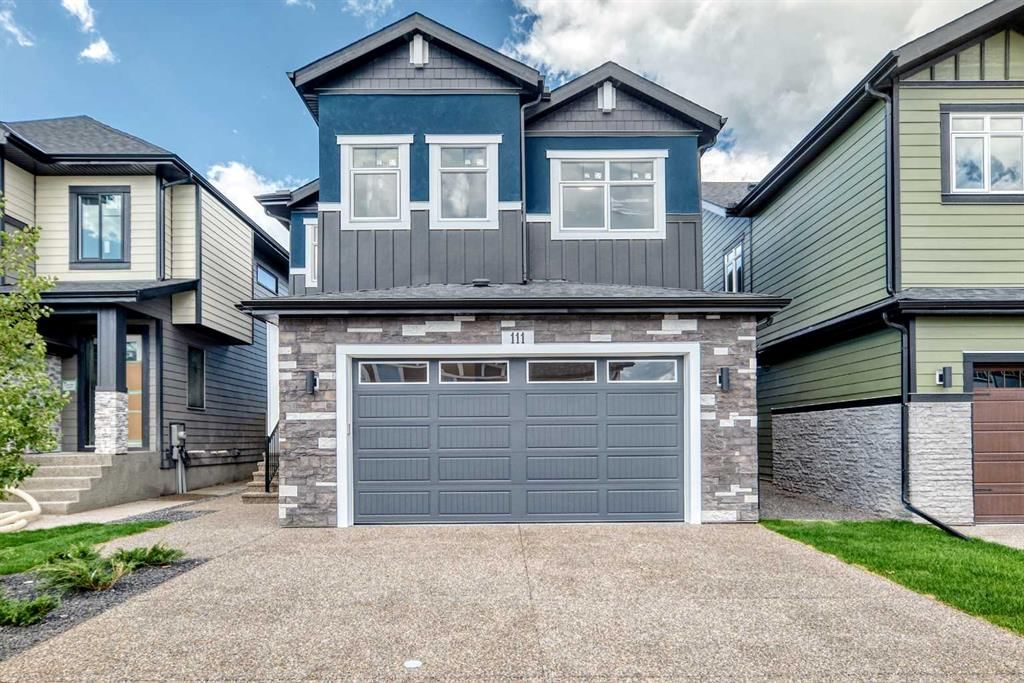
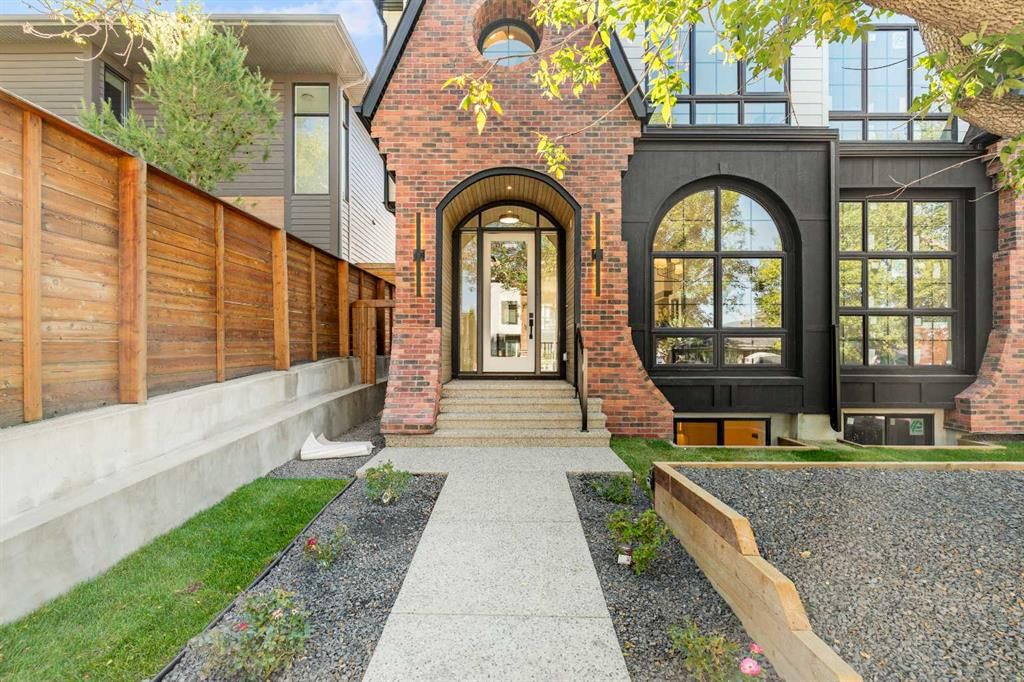
The current wood kitchen is a different animal. Flat-slab doors in walnut, rift-sawn white oak or stained ash; cabinetry that runs full height to a nine- or ten-foot ceiling instead of stopping at a soffit; integrated or panel-ready appliances; often a two-tone scheme with the wood on the island or the tall run and a painted colour elsewhere. It is the standard package in new Altadore, Killarney, Renfrew, Capitol Hill, Mount Pleasant and Bridgeland builds, and in estate homes in Aspen Woods and Springbank Hill.
This is millwork, not cabinetry off a shelf, and you are paying for it in the purchase price whether or not the listing says so. That is fair enough — but it means the house has no cheap upgrade left in the kitchen, so the value question moves entirely to location, plan and build quality. Browse the stock directly on our new infills page.
Telling Them Apart from the Photos
You can almost always call it from the listing gallery before you spend a Saturday driving:
- Door profile. A raised panel with a curved or cathedral top rail is original. A flat slab with no frame is current.
- Where the cabinets stop. Original oak stops short of the ceiling with a soffit or a decorative valance above. Current millwork runs to the ceiling, or stops deliberately with a clean reveal.
- Hardware. Small brass or wooden knobs and wire pulls read 1980s. Long bar pulls, integrated finger pulls or no visible hardware at all read current.
- Grain direction and colour. Golden-orange oak with heavy grain across arched panels is the old stock. Straight, quiet, vertical grain in a cooler brown or grey-brown is rift white oak or walnut.
- What is beside it. Oak baseboards, oak railings and an oak front door say the kitchen is original to the house. New trim and flat casings alongside wood cabinetry say the kitchen was done recently.
- The counter. Laminate with a rolled front edge belongs to the original. A thick stone slab with a waterfall end belongs to the new one — see our quartz countertop page for why counters date a kitchen so reliably.
Which One Is the Better Buy
Neither, inherently — they are different transactions. With original oak you are buying a house at a price that reflects an unrenovated kitchen, and you control when and how it changes. With new millwork you are buying finished work at somebody else's taste and paying for it today, with no upgrade left to capture later.
What we would actually watch for is the third category: the middle-aged wood kitchen. Maple or cherry cabinetry from around 2000 to 2010, often with granite and a tile backsplash, in move-up homes across Tuscany, Royal Oak, Evergreen, Cranston and Panorama Hills. Those kitchens are frequently well built and perfectly functional, they photograph as dated, and they are one of the more sensible things to buy in this market precisely because nobody is excited about them.
If you want to compare wood against the alternatives, our pages on white kitchens and on renovated Calgary homes cover the same stock from different angles.