
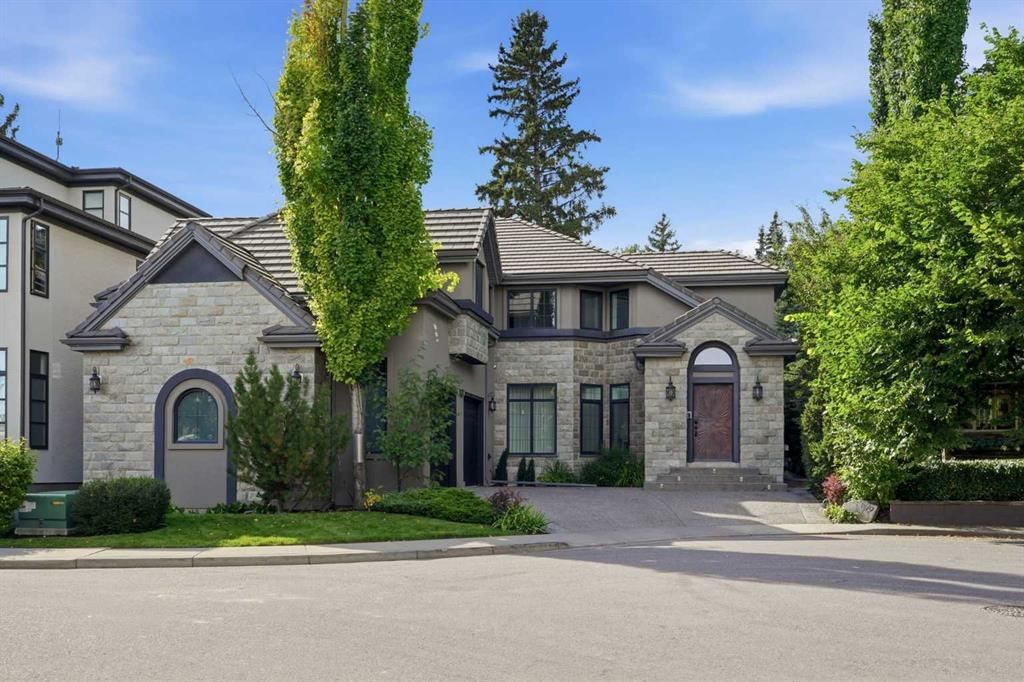
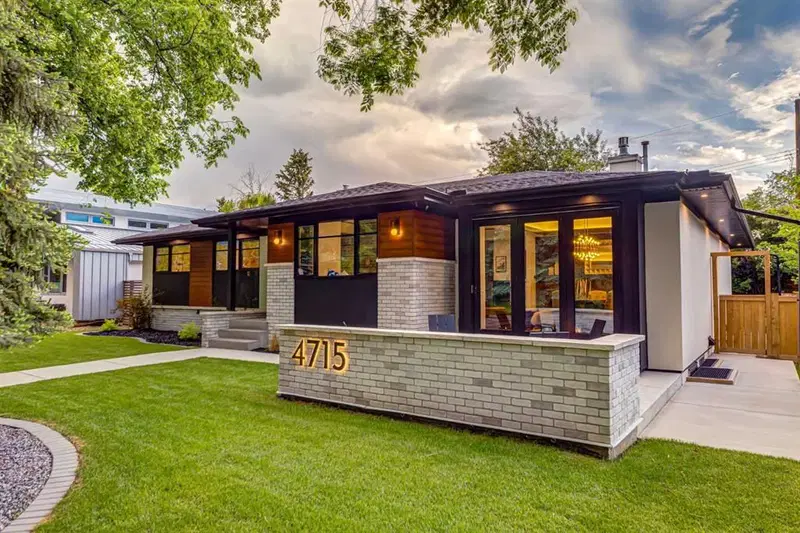


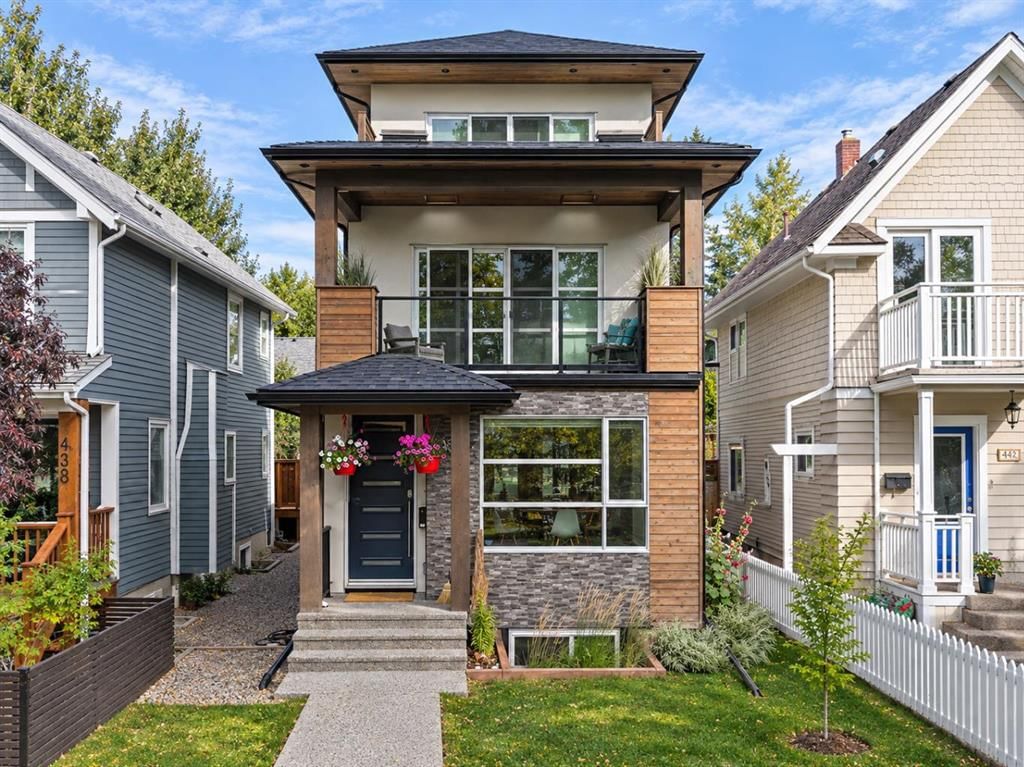
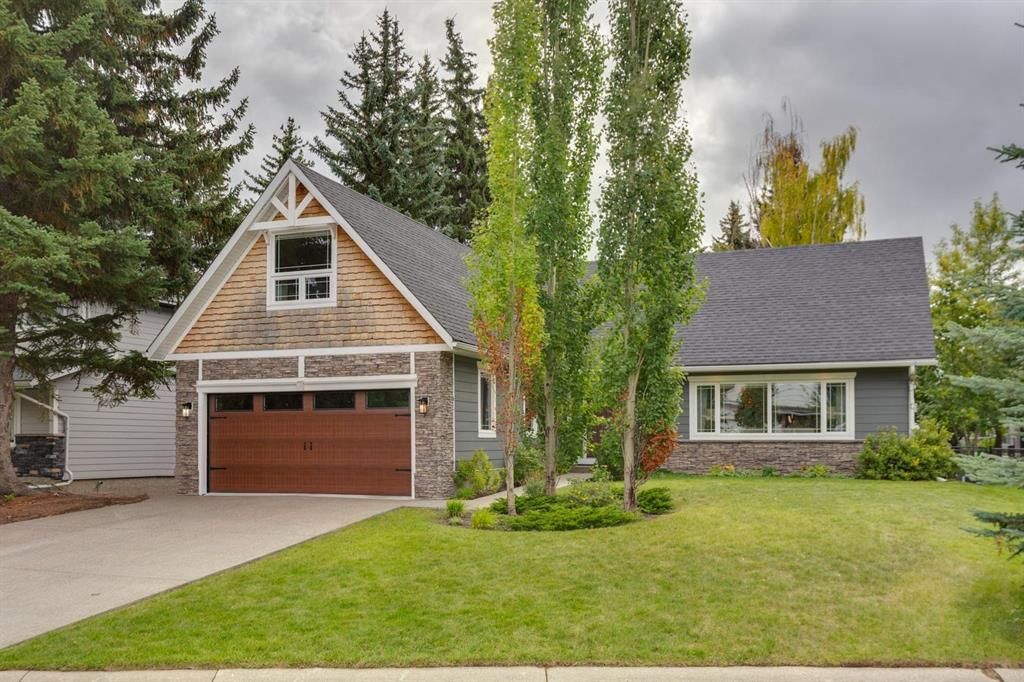


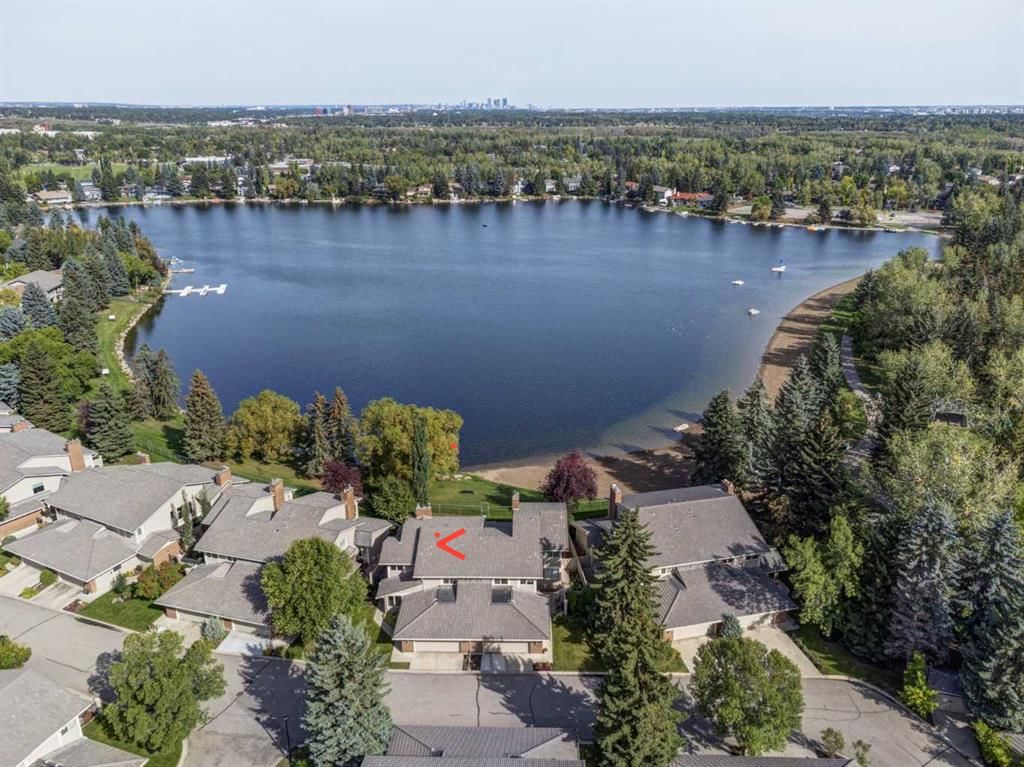

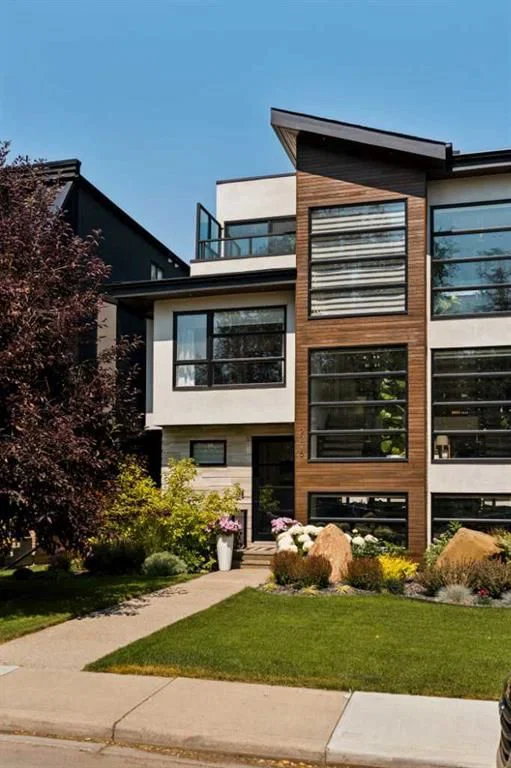
Calgary Homes with Mature Trees
This is one of the few features in Calgary that cannot be built, renovated or upgraded into a property. A forty-year-old spruce or a street of arching elms is the product of somebody planting it a long time ago, and no amount of money shortens the wait.
It is also the feature where the gap between marketing and reality is widest. A brand-new community advertises landscaping; an established one has a canopy. Photographs make them look closer than they are, and a drive down the street in leaf tells you the truth in ten seconds.
Where the Canopy Actually Is
Calgary's tree cover maps almost exactly onto its building eras. The inner-city communities laid out before and just after the war — Elbow Park, Scarboro, Rosedale, Crescent Heights, Hillhurst, West Hillhurst, Parkdale, Elboya — have the deepest cover, much of it elm planted along the boulevards.
The 1950s and 1960s ring comes next and is arguably the sweet spot, because the trees are large and the lots are wide: Lakeview, Wildwood, Glendale, Haysboro, Kingsland, Willow Park, Banff Trail and Capitol Hill. The 1970s lake communities and the northwest — Lake Bonavista, Varsity, Brentwood, Dalhousie, Silver Springs — are close behind.
Communities built since roughly 2000 have young trees by definition, and on the windward edges of the city many of them struggle. That is not a criticism of new communities, which have other virtues entirely; it is simply a thing you cannot have yet. Our answer on Calgary communities with mature trees and big lots goes deeper, and mature trees and space usually arrive together, which is why homes with large yards overlaps heavily with this search.
What Mature Trees Do for a Lot
On the prairie, a big tree is functional infrastructure. It shades a west-facing yard through the long, hot Calgary evenings, when the sun is still punishing at eight o'clock in July — the difference is stark enough that it changes which side of a street you want, as our note on which way a Calgary backyard should face explains. It breaks the wind. It catches blowing snow before it drifts across a driveway. It gives privacy that no fence height allowance will ever provide, and it does more for the character of a street than any single house on it.
It also softens hail, at the cost of the tree. Hail is a fact of life here, and a canopy that takes a beating is doing a job.
The Part Nobody Mentions: Roots, Soil and Sewers
Three practical items belong in every conversation about a heavily treed lot.
- Clay soils. Much of Calgary sits on expansive clay that swells and shrinks with moisture. Large, thirsty trees close to a foundation change the moisture in that soil, and in dry years that movement can show up as cracking and door misalignment. It is a reason to have a foundation looked at carefully, not a reason to avoid trees.
- Sewer laterals. This is the one that costs money. In older inner-city communities the line from the house to the main may be original clay or cast iron with joints that roots find. On any treed lot with a pre-1970 house, a camera inspection of the sewer line is the most useful few hundred dollars you will spend during the condition period — we treat it as standard, and our Calgary condition period playbook sets out how to fit it in the timeline.
- The tree's own health. Dead limbs over a roof, a trunk leaning towards the house, or a large tree within striking distance of the garage are all worth an arborist's eye before possession.
Elms, Boulevards and What You May Not Prune
Two rules surprise new owners of treed Calgary lots.
Alberta has a provincial elm pruning ban that runs from 1 April to 30 September each year, in place because elm bark beetles are active in those months and are drawn to the scent of a fresh cut, which is how Dutch elm disease spreads. Practically, that means if you buy an elm-shaded property in May, you cannot prune that elm until October. Alberta has worked hard to stay free of the disease and the ban is how.
Second, the tree between the sidewalk and the curb is generally not yours. Boulevard trees stand on City land and the City looks after them, with its tree protection bylaw governing work on trees on City-owned or City-controlled property. You do not prune, top or remove one, and if a limb worries you the call goes to 311 rather than to a contractor. Buyers regularly assume the beautiful elm in front of the house is part of the purchase; it is part of the street.
About these results: they are pulled from the descriptions agents wrote, so this finds homes whose listings mention mature trees or an established canopy, not every treed lot in the city. Entire blocks of shaded 1960s bungalows are listed without the phrase ever appearing. If a street's trees matter to you, tell us the communities and we will look properly.