The Financial Case Is Hard to Argue With
Alberta is the only province with no provincial sales tax, so everyday spending carries the 5% federal GST and nothing on top. Alberta does levy provincial income tax — 8% on the first $61,200 in 2026, rising to 15% — but on the highest basic personal amount in the country. The difference buyers notice most is at the closing table: Alberta charges no land transfer tax, only Land Titles registration fees, where the same purchase in Toronto or Vancouver can attract five figures in transfer tax. When people say Calgary feels more affordable, that closing-cost gap is part of why — not just the sticker price on homes.
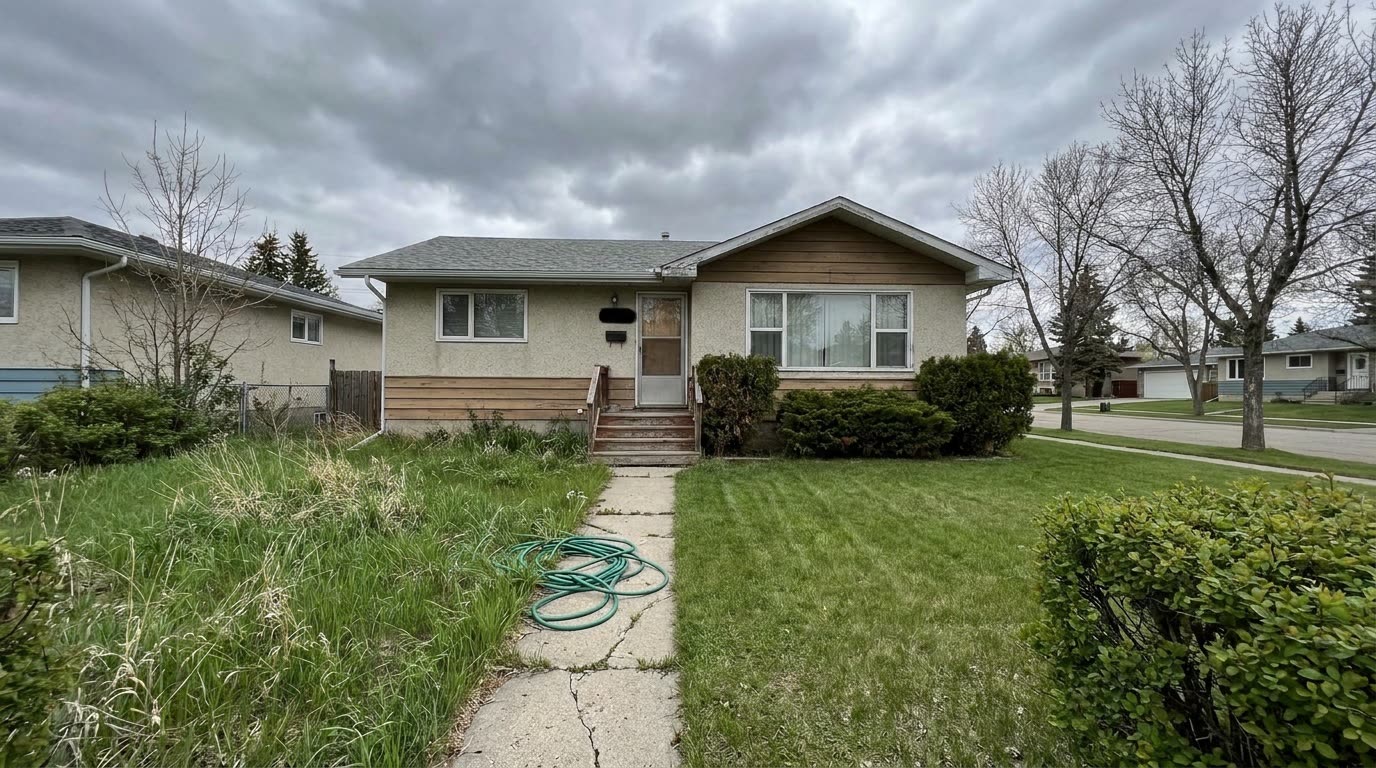
On the housing side, Calgary's market continues to offer more square footage per dollar than any major Canadian city. A detached home in Evanston or Legacy that would cost well over a million dollars in Burnaby or Mississauga often trades in the mid-$600,000s here. That's not a small difference — it's a different tier of life entirely. For buyers moving to Calgary with equity from a pricier market, the transition can feel almost disorienting in the best possible way.
Looking for homes for sale in Calgary? Browse the full MLS® right here.
Search Calgary HomesA Job Market That Has Genuinely Diversified
Calgary's economy spent years being unfairly reduced to oil and gas, and while the energy sector remains important, the city's employment base looks very different today. Technology companies, financial services firms, logistics operations, and a growing creative economy have all planted serious roots here. Areas like the East Village and Beltline have developed into genuine professional hubs, and Calgary's downtown office market — once battered by vacancy — has been steadily converting and reinventing itself. People moving here for work are arriving from a much wider range of industries than they were a decade ago.
The University of Calgary and SAIT both funnel skilled graduates into the local workforce, and the city's relatively young median age means there's genuine energy in the professional community. For newcomers who are self-employed or remote workers, Calgary's cost structure makes it especially attractive — lower overhead, lower personal taxes, and a quality of life that doesn't require a premium address to access good schools, green space, or a short commute.
"Every year I work with buyers who left Vancouver or Toronto thinking Calgary was a compromise. Within six months, almost all of them tell me it was the best decision they ever made."
— Crystal Tost, CalgaryListings GroupThe Neighbourhoods Reflect What People Actually Want
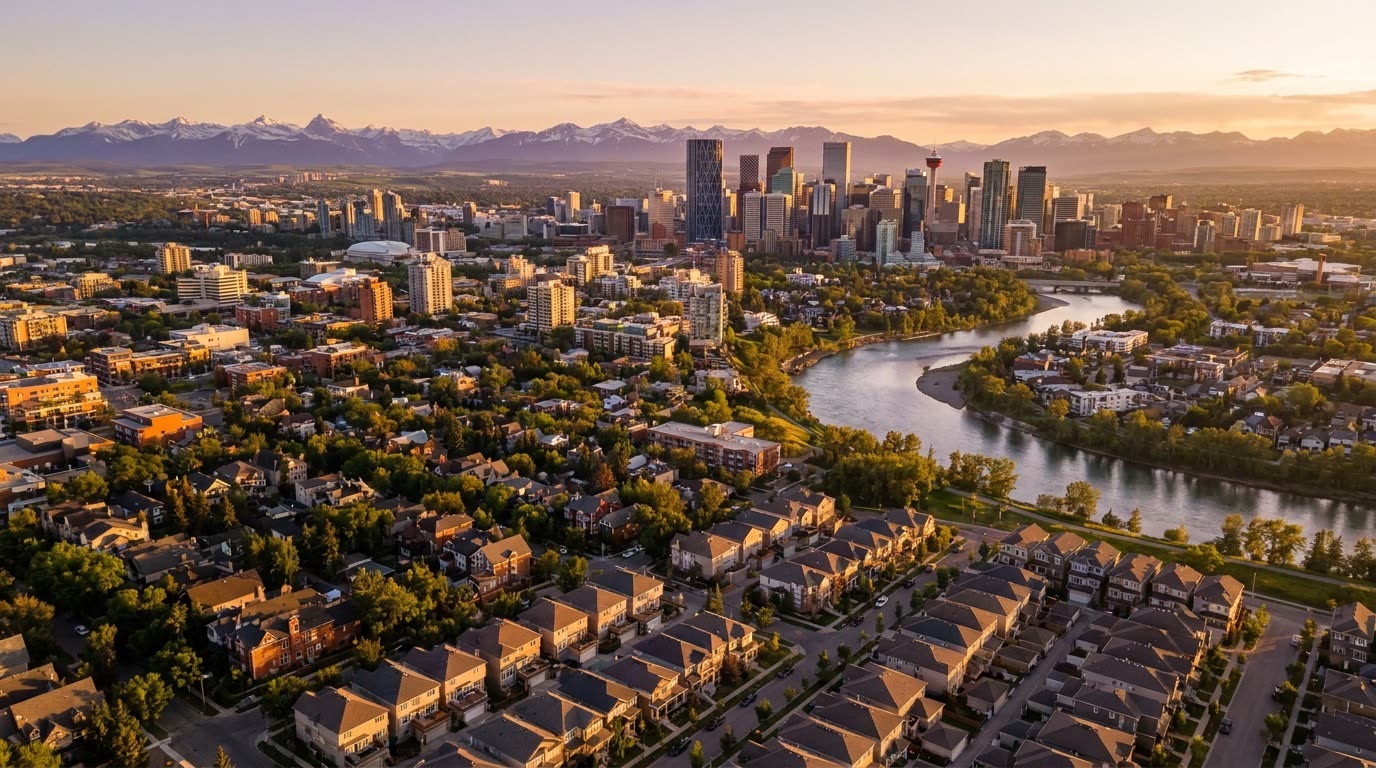
Calgary's quadrant system makes it easier to navigate than most major cities, and each quadrant has developed its own distinct character. The SW has long been associated with established family communities like Altadore, Garrison Woods, and Springbank Hill, offering mature trees, walkable streets, and proximity to the Elbow River pathway system. The NW draws buyers who want quick access to the mountains — communities like Rocky Ridge and Tuscany sit at the edge of the city with the Rockies as a literal backdrop. The NE has become a hub for newcomers from South Asia and the Philippines, with cultural restaurants, temples, and community associations that make the transition to a new city genuinely easier. The SE has seen explosive growth in communities like Mahogany and Auburn Bay, built around lakes that become social anchors in summer and skating venues in winter.
Five Things New Calgarians Consistently Say Surprised Them
- The pathway network along the Bow and Elbow rivers is extensive enough to cycle or run for hours without crossing a major road.
- Chinooks — warm winter winds that can raise temperatures by 20 degrees in an afternoon — make Calgary winters far more manageable than outsiders expect.
- The drive to Banff National Park takes about 90 minutes from most parts of the city, making it a realistic weekend destination, not a special trip.
- Calgary has more sunny days per year than Miami, which matters enormously for mood and lifestyle during the months when it's cold.
What consistently surprises people who are new to Calgary is how quickly the city feels like home. The communities are well-designed with schools, parks, and commercial strips built in from the start rather than added as afterthoughts. Neighbours introduce themselves. Local hockey leagues, curling clubs, and community association events give people a social infrastructure that larger or more anonymous cities often lack. It's a city where showing up is easy.
The Seasonal Reality — Let's Be Honest About It
Calgary winters are real, and anyone moving here deserves a straight answer rather than spin. January and February can bring sustained cold, and driving in fresh snow requires adjustment if you're coming from a milder climate. That said, Calgary is one of the sunniest cities in Canada year-round, and the Chinook phenomenon genuinely softens what would otherwise be a brutal few months. Locals invest in good winter tires, quality outerwear, and a general attitude of getting outside anyway — and most newcomers adopt that mindset faster than they expect. The flip side is a spring and summer that feel genuinely earned: Stampede in July, patios along 17th Avenue, paddleboarding on Glenmore Reservoir, and evenings long enough to squeeze in a hike after dinner.
Local Insight: Calgary averages approximately 333 days of sunshine per year, more than any other major Canadian city including those with far milder winters.
For families with children, the seasonal rhythm becomes part of the appeal rather than a drawback. Kids who grow up in Calgary learn to skate, ski, and spend time outdoors in all conditions — and the school systems in communities like Bridgeland, Panorama Hills, and Shawnessy are well-regarded and well-resourced. Many parents who moved here from densely urban environments find that Calgary offers their children more independence and more space than the cities they left behind.
Thinking about selling your Calgary home? Find out what it's worth — free, no obligation.
Get a Free Home ValuationWhat the Calgary Market Looks Like Right Now for Newcomers
If you're moving to Calgary and planning to buy, the current market rewards preparation. Inventory has tightened considerably over the past two years, and well-priced homes in communities like Livingston, Cornerstone, and Walden are moving quickly. The condo market in the inner city — particularly in the Beltline and Kensington — has also seen renewed interest from buyers who want walkability and urban amenity without the maintenance of a detached home. Having mortgage pre-approval in place before you begin searching is no longer optional; it's simply how competitive buying works here now.
That said, Calgary still offers more genuine choice than most Canadian markets at comparable price points. There are move-in-ready options, new builds with builder incentives, and resale homes in established neighbourhoods where the landscaping and community feel are already in place. Working with a local REALTOR who knows which communities are still in their growth phase versus which ones have fully matured can make a significant difference in both the experience and the outcome.
Final Thoughts
Whether you're still weighing the decision or already have moving trucks booked, the team at CalgaryListings Group is here to make the transition as straightforward as possible. We know this city deeply — the neighbourhoods, the market cycles, the communities that fit different stages of life — and we'd be glad to share what we know with you. Reach out anytime. Moving to Calgary is a big decision, and you shouldn't have to figure it out alone.