Did you know that the Calgary metro area population has officially climbed to 1,709,000 as of May 2026, a 1.24% jump that continues to outpace many other Canadian hubs? You've likely felt this growth firsthand as the 100 Block of Stephen Avenue completes its revitalization this June. It is natural to worry about whether our transit can keep up or if the dream of homeownership is slipping away due to rising density. You deserve a clear picture of what is happening in your own backyard without the clutter of conflicting estimates.
Congratulations, you’ve found it. We promise to provide the most accurate, data-driven insights into how this expansion impacts your favourite neighbourhood and your future real estate investment decisions. We will preview the $6.248 billion Green Line LRT progress and explain why a balanced market with an average home price of $566,200 might be the opportunity you have been waiting for. Rest easy knowing the complex data has been simplified for you by a team that takes the lead and provides the candid advice you need to move forward with confidence.
Key Takeaways
- Understand why the calgary population is reaching new heights and how the 1.24% growth rate in 2026 influences local infrastructure and city planning.
- Discover the demographics of the city's young, energetic workforce and how multicultural communities are shaping the unique character of Calgary's urban centre.
- Get the facts on major projects like the $6.248 billion Green Line LRT and the Stephen Avenue revitalization to see how the city is adapting to rapid expansion.
- Learn how the shift toward multi-family dwellings and a more balanced market can help you make a strategic real estate investment this year.
- Look ahead to the road to 2 million residents and realize what the transition of the downtown core into a residential hub means for long-term urban value.
Calgary Population 2026: Tracking the Surge in Canada's Sunniest City
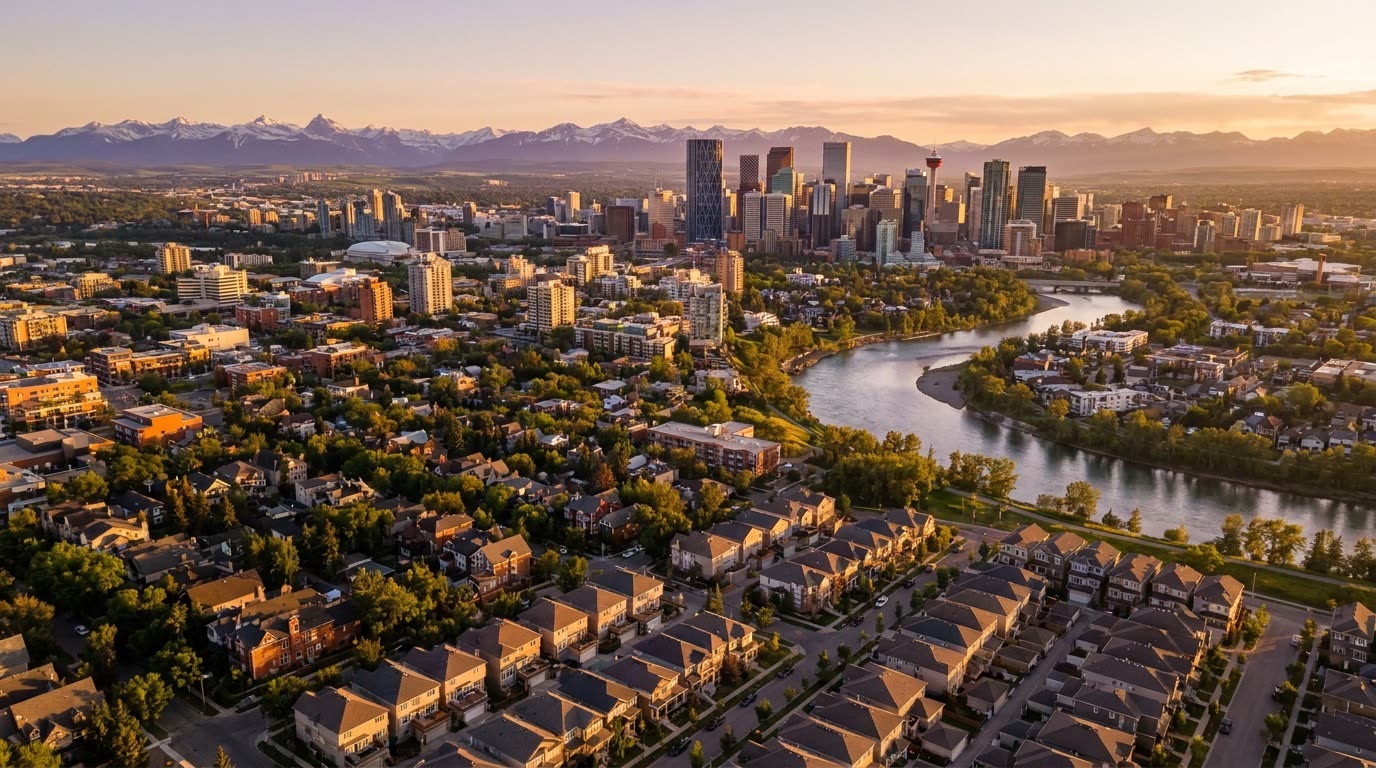
Calgary is no longer just a prairie town; it's a magnetic metropolis. As of May 2026, the calgary population in the metro area has reached a verified 1,709,000 people. This represents a 1.24% increase from 2025, a growth rate that continues to outpace many other major Canadian centres. For those of us living here, this surge isn't just a number on a spreadsheet. It's the energy of new businesses opening in the Culture and Entertainment District and the steady hum of construction in the burgeoning suburban quadrants. We see this growth as a powerful signal of a resilient, vibrant economy. With an economic growth projection of 2.4% for 2026, the city is evolving into a sophisticated hub of opportunity where global executive search firms like Calibre One help build the high-performing leadership teams essential for companies navigating such rapid expansion.
Official Census vs. Municipal Estimates
The year 2026 is pivotal because it marks the return of the federal census. While Statistics Canada provides a comprehensive snapshot every five years, the City of Calgary conducts its own rigorous civic counts to ensure local services like transit and recreation centres are placed exactly where they're needed most. It is vital to distinguish between the city proper and the Census Metropolitan Area (CMA) when you're looking at these reports. The Calgary CMA, which includes vital surrounding communities like Airdrie, Chestermere, and Cochrane, was pegged at 1,839,000 in 2025 and is on a fast track to surpass two million residents by 2029.
Growth Drivers: Why Everyone is Moving to Calgary
What's fueling this momentum? The "Alberta is Calling" campaign had a lasting impact, drawing thousands of Canadians from Ontario and British Columbia who sought a better quality of life. When you compare our average home price of $566,200 as of March 2026 to the prices in Toronto or Vancouver, the "Calgary Advantage" becomes undeniable. This isn't just about affordability; it's about the lifestyle that comes with it.
Beyond provincial borders, our city has solidified its status as a primary settlement hub for international newcomers. Analyzing Calgary Demographics reveals a city home to over 240 ethnic origins and 165 spoken languages. This diversity is a cornerstone of our identity, with over 25% of our neighbours belonging to visible minority groups. Even with an unemployment rate expected to hover around 7% this year, the influx of diverse talent keeps our market competitive. If you're ready to explore how these trends affect your specific neighbourhood, our market reports are just a few clicks away. We take the lead in providing the candid data you need to make an informed move.
Who is Calling Calgary Home? A Deep Dive into Demographics
Calgary's identity is shifting from a quiet prairie hub to a bustling, cosmopolitan metropolis. While the calgary population growth numbers are impressive, the real story lies in the people behind the statistics. We are seeing a massive influx of young, highly educated professionals drawn to our expanding tech and energy sectors. This is not just a temporary trend; it is a structural shift in our city's DNA. These newcomers are looking for communities that reflect their values of innovation and inclusivity. According to Alberta government population statistics, this demographic momentum has been building steadily, creating a workforce that is both resilient and forward-thinking.
The Youth Movement: Calgary's Median Age
Calgary remains one of Canada’s youngest major cities. While coastal cities like Victoria or Atlantic hubs like Halifax lean toward a more retired or established demographic, Calgary thrives on the energy of a median age hovering around 37. This youth movement dictates how our city evolves. It drives the demand for vibrant nightlife in the Beltline, modern recreation centres in the deep south, and efficient transit options. Young families are also a major force, pushing suburban development in communities like Mahogany and Livingston. This keeps our school systems busy and our neighbourhoods feeling alive and energetic. It is a cycle of growth that benefits everyone.
Cultural Mosaic: Diversity and Language
Diversity is our greatest strength. We are proud to be the third most diverse major city in Canada. With over 240 ethnic origins and 165 languages spoken in local households, Calgary is a true cultural mosaic. South Asian, Chinese, and Filipino communities make up a significant portion of our visible minority population, which now exceeds 25%. You can taste this diversity in our world-class culinary scene and see it in the arts festivals that take over our streets every summer. This multiculturalism makes Calgary a welcoming place for international settlement. It ensures that no matter where you are from, you can find a piece of home here.
Growth can feel overwhelming, but rest easy. Calgary is expanding without losing its community-focused roots. We are still the city where neighbours help neighbours, even as our skyline reaches higher and our population grows. If you are curious how these demographic shifts are impacting your specific corner of the city, checking a Calgary Market Report can provide the clarity you need. We provide honest communication and candid data to help you understand exactly what these changes mean for your property value and your lifestyle. Take the lead on your future by staying informed with the right resources.
Infrastructure and Urban Planning: Can the City Keep Up?
Growth is a double-edged sword. While a surging calgary population signals a healthy economy, it also places immense pressure on the roads, rails, and resources we use every day. You might find yourself wondering if the city’s infrastructure can truly keep pace with 1.7 million residents. It is a valid concern. The Calgary Metropolitan Region Board is currently taking the lead on this challenge, coordinating with surrounding municipalities to ensure that regional growth is strategic rather than chaotic. This high-level planning aims to prevent the pitfalls of unmanaged sprawl, focusing instead on creating a "city of centres" where essential services are always within reach.
We are witnessing a deliberate shift toward urban densification. The substantial completion of the Stephen Avenue revitalization in June 2026 is a perfect example of this evolution. By modernizing our downtown core, the city is inviting more people to live, work, and play in a walkable environment. This reduces the strain on our outer ring roads and fosters a more vibrant, connected community. Rest easy knowing that these projects are not just about aesthetics; they are data-driven responses to our city's rapid expansion.
Transit and Transportation Upgrades
The centrepiece of our urban evolution is the Green Line LRT Phase 1. With a verified cost of $6.248 billion, this is the most significant infrastructure investment in Calgary's history. Although the target opening is 2031, the construction phase is already acting as a catalyst for redevelopment in Southeast Calgary. We are also seeing the Bus Rapid Transit (BRT) network expand into newer neighbourhoods to provide immediate relief for commuters. Transit-oriented development is fundamentally reshaping the city's skyline by clustering high-density residential towers and retail hubs around major transit stations.
Essential Services: Schools and Healthcare
Infrastructure is more than just asphalt and tracks. It is about the schools where our children learn and the hospitals that keep us healthy. Rapidly growing communities like Mahogany and Belmont are seeing a surge in new school construction to accommodate the young families moving to the area. Healthcare facilities are also being scaled to meet the needs of a population nearing 2 million. Our honest advice is that while construction can be disruptive, these investments are vital for preserving the "Calgary Advantage." Take a look at our community profiles to see which areas are receiving the most provincial and municipal investment before you make your next move.
How Population Growth Influences Calgary Real Estate
The surge in the calgary population isn't just a statistic; it's the primary engine driving our housing market's evolution. When 1.7 million people share a city, the traditional rules of supply and demand shift in fascinating ways. We have officially transitioned from a frantic seller’s market into more balanced territory in early 2026, yet the underlying demand remains robust. As of March 2026, the average home price in Calgary sat at $566,200. This 3% year-over-year decrease might surprise some, but it actually reflects a healthy correction that opens doors for savvy investors and first-time buyers alike. Tracking these subtle shifts is easy when you have access to detailed Calgary Market Reports that break down data by community and property type.
Just as local reports provide clarity here, global platforms like YALLA2X offer independent market scoring and historical data for other major hubs like the UAE, highlighting the universal importance of data in modern real estate.
This need for specialized insight extends to other high-interest regions as well; for instance, those looking toward the Southern California market can find tailored support through County Properties, ensuring they have a local expert to navigate that specific landscape.
We are seeing a clear shift toward multi-family dwellings. Condos and townhomes are the segments buyers turn to for affordability and lifestyle; how they are actually trading is worth checking by month. With the average condo price sitting at $309,700 as of March 2026, these properties represent a strategic entry point into the market. Growth hotspots are no longer limited to the city's edge; we're seeing massive interest in the downtown core as it transforms into a residential hub. Our team takes the lead in identifying these trends early, ensuring you have the candid advice needed to make a smart move.
Rental Market Dynamics
Low vacancy rates continue to be a hallmark of our growing city, creating a unique environment for both newcomers and landlords. As the city pushes for higher density, we’ve seen a significant rise in secondary suites as a viable housing solution. These are no longer just simple basement units; they are sophisticated mortgage helpers that provide essential density. If you’re considering an investment, professional property evaluations are essential in this fast-moving climate. You need to know exactly how a property performs before you commit your capital.
Property Value Appreciation
There is a direct correlation between population density and long-term equity growth. Neighbourhoods anchored by major infrastructure, like the Green Line LRT, traditionally see the most consistent appreciation. While detached home prices are forecasted to remain relatively stable with a 0.1% change in 2026, the proximity to new transit and revitalized schools keeps these assets well established. Understanding how accurate data drives successful home sales is the first step in securing your financial future. We provide the high-tech tools and personal touch to help you navigate these complexities with ease.
Are you ready to see how your property fits into this changing landscape? Get your online home evaluation today and move forward with the confidence that comes from proven expertise.
Future Projections: Calgary in 2030 and Beyond
Looking toward the horizon, the trajectory of the calgary population suggests we are on the cusp of a historic transformation. Current forecasts from City Hall indicate that the Calgary Census Metropolitan Area will likely surpass the two million resident milestone by 2029. This is not just a distant projection; it is a roadmap for our city's strategic evolution. As we move toward this target, the focus is shifting from horizontal sprawl to vertical vibrancy. A larger Calgary must be a greener Calgary. This means prioritizing transit-oriented development and creating a city where you don't always need a car to thrive. Our sustainability goals are integrated into every new infrastructure project, ensuring that our growth doesn't come at the expense of the natural beauty that defines our region.
Securing your place in the city now is a strategic move. While the pace of growth is expected to slow slightly as migration levels normalize, the demand for high-quality housing in established and emerging hubs will remain constant. We see this as a period of maturation. Calgary is evolving into a sophisticated global player, and for organizations looking to scale, Calibre One provides the executive search expertise needed to build high-performing leadership teams. Our team is here to provide the data-driven insights you need to stay ahead of the curve.
The Downtown Residential Conversion
The evolution of the Downtown Core is perhaps the most exciting chapter in our future story. The City's ambitious plan to convert vacant office towers into residential hubs is already gaining momentum, particularly in the Culture and Entertainment District. By transforming these spaces, we are creating a 24/7 vibrant centre that breathes life into the streets long after the traditional workday ends. This initiative reduces commuting pressure and opens up unique urban luxury real estate opportunities that were previously non-existent. It is a bold step that reimagines the heart of Calgary as a place to live, not just a place to work.
Final Thoughts: Rest Easy with Expert Guidance
Growth can often feel like a series of hurdles, but we see it as a sign of undeniable strength and resilience. Calgary is a city that takes the lead. Whether you are looking to buy your first home or sell a luxury property, the current expansion creates a foundation for long-term equity and community stability. We provide the honest advice and candid communication you need to navigate these changes. If you are curious about how your property’s value is shifting as we approach the two million mark, our Online Home Evaluations are available at your fingertips.
Congratulations, you’ve found the team to lead you through Calgary's expansion. We are here to simplify the complex and ensure you move forward with absolute confidence. Rest easy knowing that while the city grows, our commitment to exceptional and personal customer service remains unchanged. Your future in Calgary starts with the right information, and we are honoured to be your trusted resource.
Secure Your Future in a City on the Rise
The strategic expansion of the calgary population to 1,709,000 residents is a clear signal of our city’s enduring strength. We have explored how a $6.248 billion investment in the Green Line LRT and a 2.4% economic growth projection for 2026 are creating a more connected, resilient urban centre. With the housing market transitioning to balanced conditions and average prices sitting at $566,200 as of March 2026, the opportunity to build equity has never been more tangible. You can rely on expert CalgaryListings Group data and our real-time Calgary Market Reports to navigate these shifts with absolute clarity.
Are you ready to make your move? Our partnership with the eXp Realty global network provides you with high-tech tools and world-class expertise at your fingertips. Congratulations, you’ve found a team that takes the lead to ensure your real estate journey is simplified and successful. Ready to find your place in Canada's fastest-growing city? Search Calgary listings now! Rest easy knowing that while the city evolves, our commitment to your personal goals remains our top priority.
Frequently Asked Questions
What is the estimated population of Calgary in 2026?
The estimated calgary population for the metro area is 1,709,000 as of May 2026. This represents a 1.24% increase from the 1,688,000 residents recorded in 2025. These figures are verified through municipal and provincial tracking, showing a city that is expanding at a steady and manageable pace. This growth supports a healthy 2.4% economic growth projection for the current year.
Is Calgary the fastest-growing city in Canada?
Calgary remains one of the fastest-growing major municipalities in Canada. While growth has slowed slightly from the record-breaking peaks of 2024, our 1.24% annual increase continues to outpace the national average. This momentum is fueled by a resilient economy and a high quality of life that attracts young professionals. Our city consistently ranks as a top destination for those seeking a balance between career opportunity and affordability.
How much has Calgary's population grown since the 2021 census?
The city's population increased by approximately 256,541 residents between the 2021 federal census and July 2025. In 2021, the official count was 1,356,293; by mid-2025, that number had surged to 1,612,834. This rapid expansion highlights the success of provincial attraction campaigns and Calgary's reputation as a primary settlement hub for international newcomers. It is a significant shift that has reshaped our urban landscape in just five years.
What is driving the massive migration to Calgary recently?
Migration is largely driven by the "Calgary Advantage," which offers a lower cost of living compared to Toronto or Vancouver. Interprovincial migration remains strong as Canadians seek more attainable homeownership, with the average home price sitting at $566,200 as of March 2026. International immigration also plays a massive role. Over 25% of our residents now belong to visible minority groups, contributing to a diverse and energetic workforce.
Does Calgary have enough housing for its growing population?
The Calgary Mortgage and Housing Corp. projects between 17,500 and 27,500 new housing starts for 2026 to meet rising demand. While the market is transitioning to more balanced conditions, the focus has shifted toward increasing density through multi-family dwellings. Secondary suites and apartment developments are helping to manage the influx of new residents. We provide candid advice to help you find communities where supply is meeting the needs of modern buyers.
How does population growth affect home prices in Calgary?
Increased calgary population numbers usually put upward pressure on prices, but 2026 is seeing a unique softening as the market balances out. Overall housing prices decreased by 3% year-over-year as of March 2026. Detached homes remain stable with a forecasted 0.1% change, while apartments are projected to decrease by 3.5%. This creates a strategic window for buyers to enter the market without the high-pressure bidding wars seen in previous years.
What are the most populated neighbourhoods in Calgary?
The Beltline remains the most densely populated neighbourhood, serving as a vibrant hub for young professionals and urbanites. Suburban communities like Panorama Hills and Evergreen also boast high population counts due to their family-friendly amenities. Newer areas like Mahogany are growing rapidly as they offer modern housing options and a strong sense of community. Each quadrant offers a unique demographic profile that we can help you analyze through our market reports.
Is the city of Calgary planning for future population density?
Yes, the city is actively prioritizing densification through major projects like the $6.248 billion Green Line LRT. Urban planning is moving away from traditional sprawl and toward walkable, transit-oriented communities. The revitalization of the 100 Block of Stephen Avenue, set for completion in June 2026, is another key piece of this strategy. These efforts ensure that as we grow, our infrastructure and essential services remain accessible for every resident.