Where $1.5 million actually sits
Look at the live tiles above and note the relationship between the two price figures: the median asking price across everything listed at $1.5 million and up sits well above $1.5 million. That is the most useful single fact on this page. At this number you are entering Calgary's upper market at its threshold, not shopping from its middle.
Practically, that means competition here comes from two directions — buyers stretching up from below, and the bottom edge of the luxury inventory reaching down. It is a busier band than the raw count suggests.
It is also, almost entirely, a detached market. Attached homes at this price exist in Calgary but are genuinely uncommon; the luxury apartment segment is small, concentrated in a handful of buildings, and trades on its own logic.
What it buys, by where you put it
- The inner-city southwest. Mount Royal, Elbow Park, Britannia, Bel-Aire, Roxboro, Rideau Park. Here $1.5 million frequently buys the lot and the location more than the house — an older home on a prime street that many buyers will eventually renovate or replace. Land value is doing most of the work.
- The Aspen corridor and the western ridge. Aspen Woods, Springbank Hill, Discovery Ridge, West Springs. A large, relatively modern estate home, a proper garage, a finished basement, and Highway 1 or Stoney Trail on your doorstep. This is where $1.5 million buys the most finished square footage.
- Established northwest and the escarpments. Varsity, Patterson, Strathcona Park, Elbow Valley's city-side neighbours. Views, mature lots, and a mix of original estate homes and rebuilds.
- Lake and estate communities in the south and southeast. A very large newer home with a lake or golf amenity, further from the core, generally the most house per dollar on this list.
- An acreage on the city edge. Bearspaw, Springbank and Foothills County put land into the equation and change the financing, the services and the ongoing costs. Acreage financing is genuinely different.
What changes at this level
- The financing rules change. Mortgage default insurance is available only to a $1,500,000 purchase price, and the minimum down payment is 20% at $1.5 million and above. At $1.5 million you are exactly at the boundary — and above it, you are in conventional financing with a larger cash requirement. That is a hard step, not a gradient.
- Comparables get thin. Below a million there are enough sales to triangulate. Up here, genuinely comparable properties may be months apart and several communities away, and two houses on the same street can be worth very different amounts. Pricing becomes judgement rather than arithmetic. How we build an offer price.
- Time on market means less. A distinctive house at this level can sit for a long time simply because its buyer has not moved to Calgary yet. When long days on market is and is not a warning.
- Carrying costs scale. Property tax, insurance, heating a large volume through a Calgary winter, and maintaining a bigger envelope. None of these are small at this size.
- Condition matters more, not less. A $60,000 problem on a $400,000 condo is a crisis. On a $1.5 million house it is a line item — but the systems are bigger, the envelopes are more complex, and the specialist reports cost accordingly.
The most common mistake at $1.5 million in Calgary is paying an estate-community price for a house whose value is really in its lot, or a lot price for a house nobody would tear down. Knowing which one you are buying is the whole job.
What Alberta saves you here
This is the price band where Alberta's tax structure produces its largest absolute advantage. There is no land transfer tax — Land Titles registration is $50 plus $5 per $5,000 of value, charged on the transfer and again on the mortgage. On a purchase of this size the equivalent provincial tax elsewhere in Canada would be a five-figure cost. Alberta also has no provincial sales tax, though it does levy provincial income tax.
How to shop this band
Two pieces of practical advice we give every buyer at this level:
- Decide between land and house before you start. They are different purchases with different risks and different resale behaviour. Trying to optimise both usually produces months of looking and no offer.
- Sold data matters more here than anywhere. Asking prices in a thin market carry very little information. Sale prices and listing histories are behind a free sign-in under VOW rules, and at this price the history of a property — what it listed at previously, how many times, at what prices — is often the most valuable thing in the file. How to get at sold prices.
Browse the segment: Calgary detached homes $1M–$2M and our luxury buyer guide. Step up: homes over $2 million.
What to have looked at before you remove conditions
At this price the inspection is a starting point, not the whole exercise. The specialist reports worth budgeting for, depending on the house:
- A Real Property Report with municipal compliance — larger lots, older neighbourhoods and additions built over decades are where encroachments and setback problems surface. What an RPR is and why it matters.
- Envelope and roof. Complex rooflines, stucco and stone, and large window walls are all expensive to get wrong, and they are exactly what this segment is full of.
- Mechanical at scale. Multiple furnaces, in-floor heat, snowmelt, a pool or a hot tub, and irrigation are all systems with real replacement costs and real service histories.
- Water and slope. Escarpment and ridge lots in Calgary come with drainage and slope questions that a standard inspection does not resolve.
Build a condition period that fits that list rather than the default. How long a condition period should be.
Calgary homes currently listed at $1.5 million and up
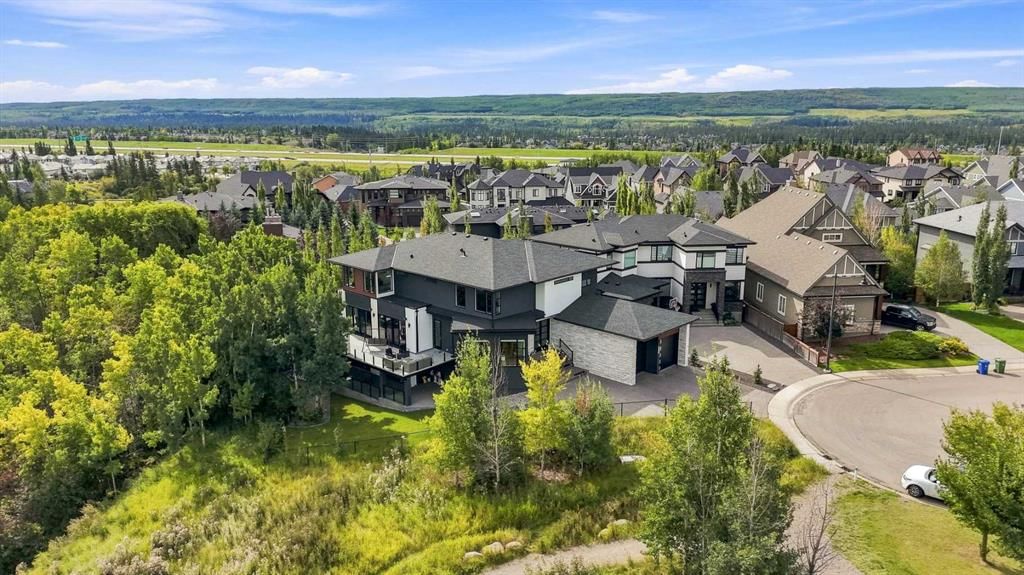 $3,350,000234 Fortress Bay SW
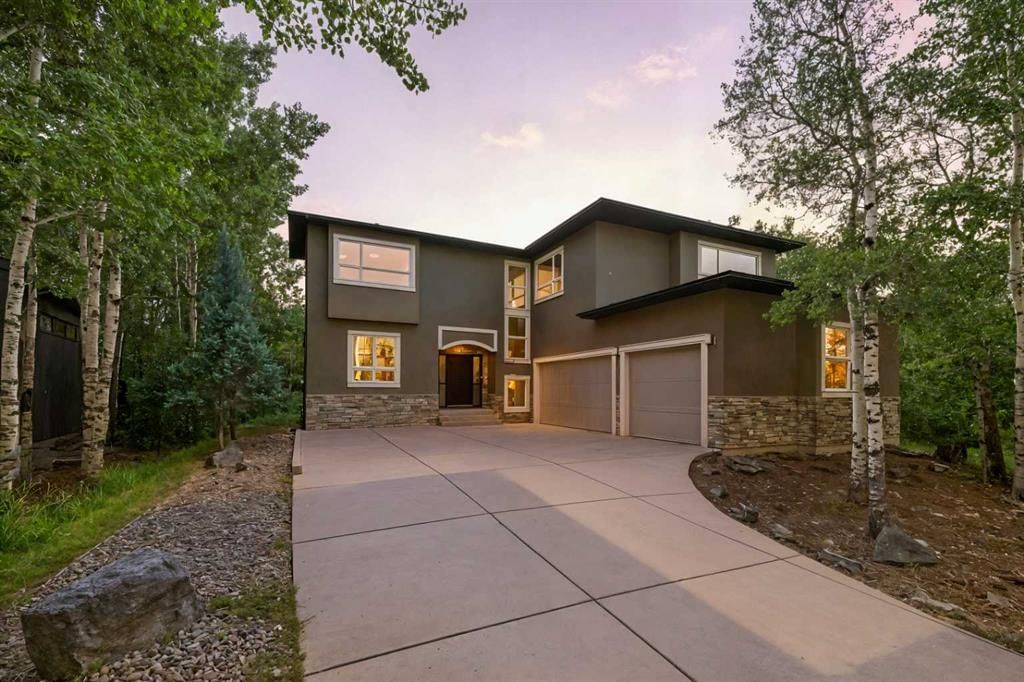 $2,050,00062 Posthill Drive SW
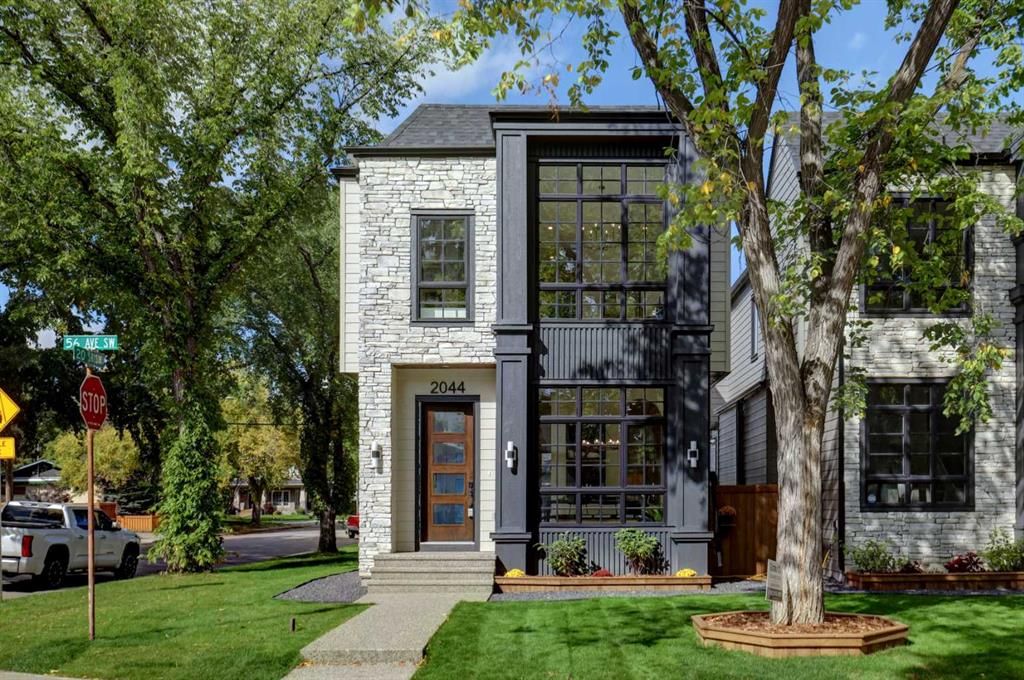 $1,535,0002044 56 Avenue SW
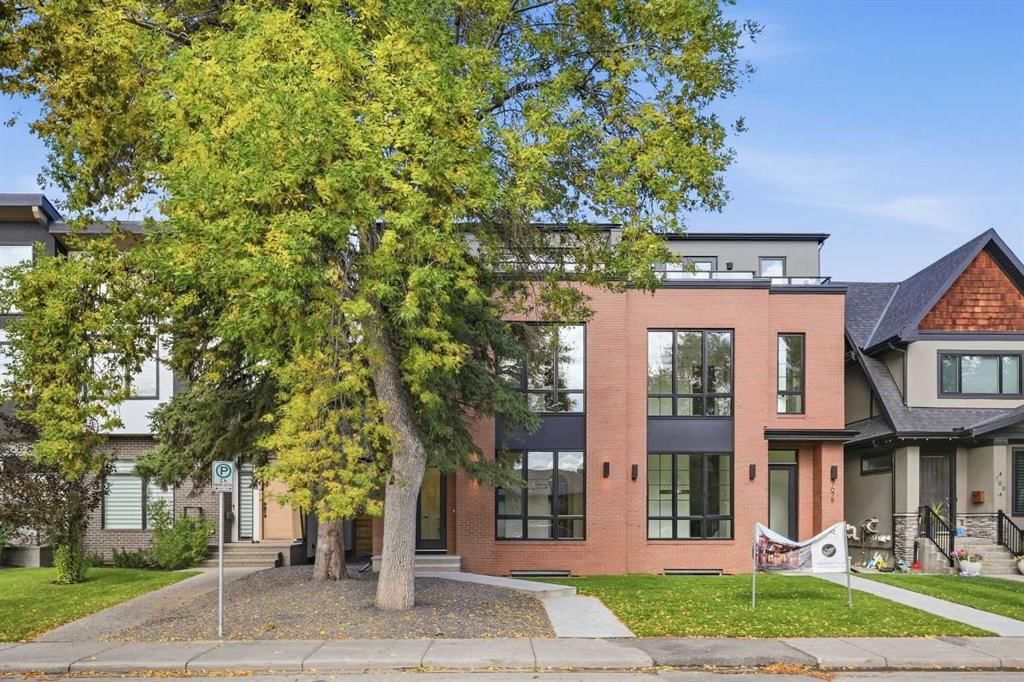 $1,499,900707A 33 Street NW
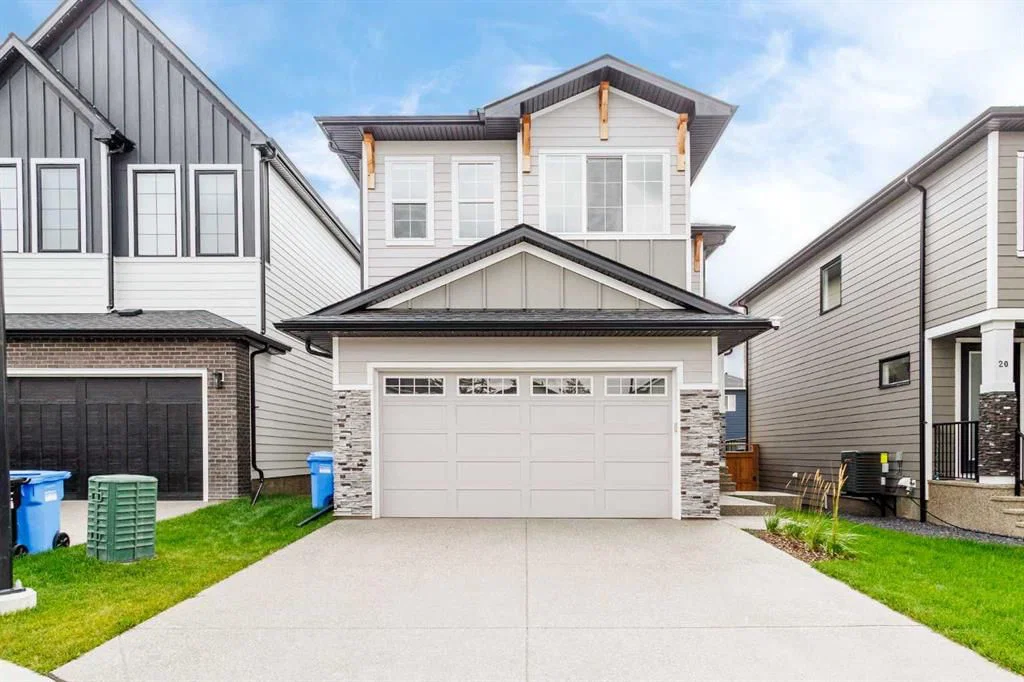 $1,298,00024 Aspen Woods Park SW
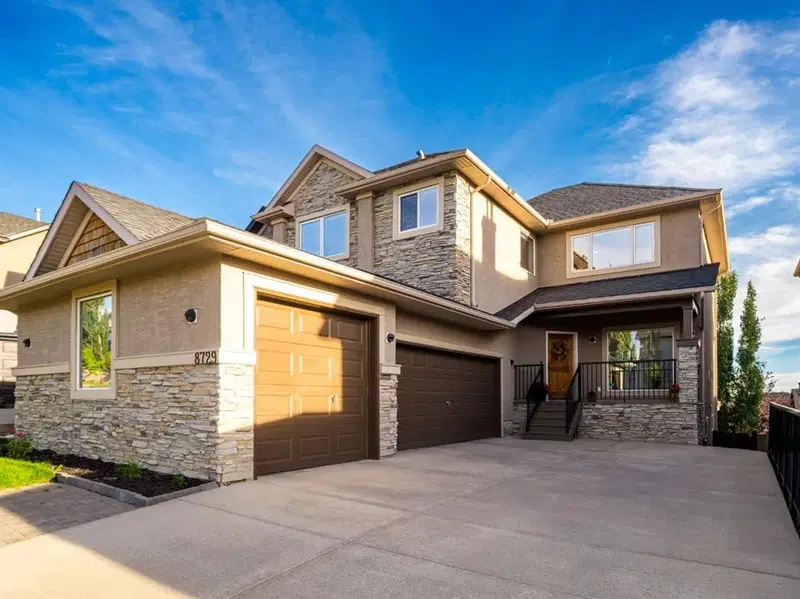 $1,199,9998729 14 Avenue SW
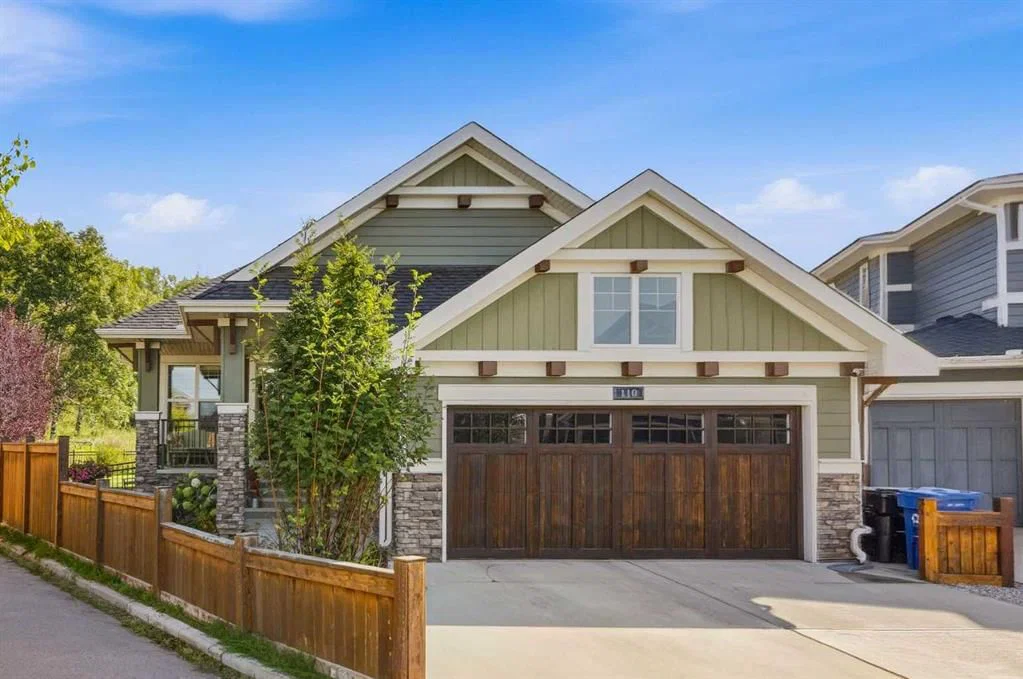 $1,180,000110 Cranbrook Hill SE
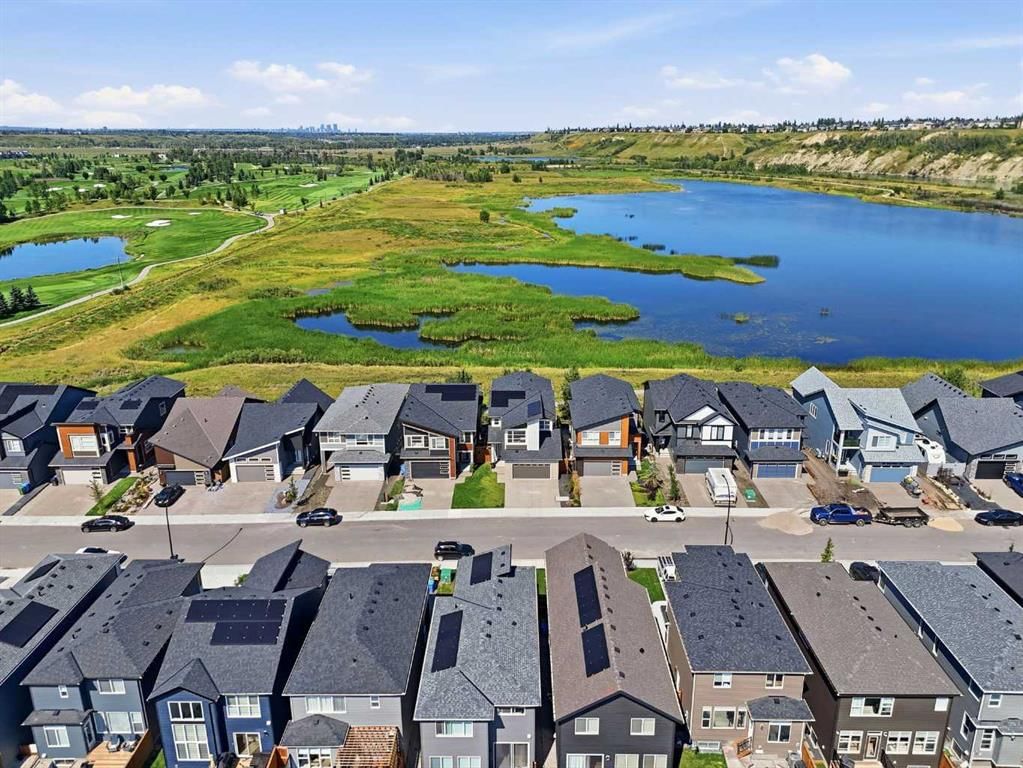 $1,175,000129 Wolf Hollow Villas SE
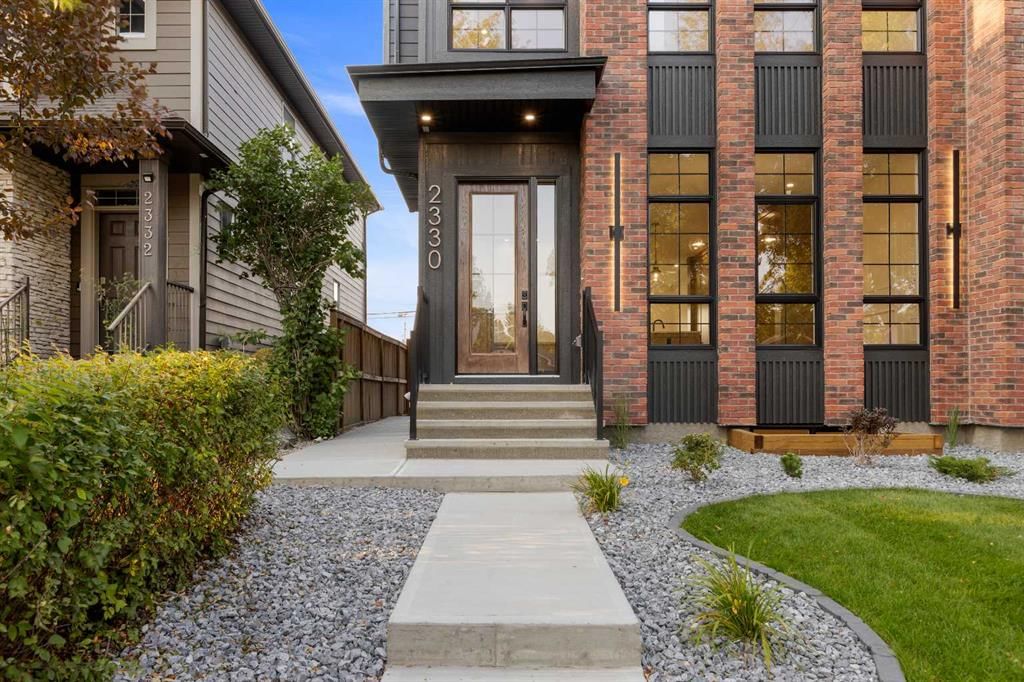 $1,159,0002330 54 Avenue SW
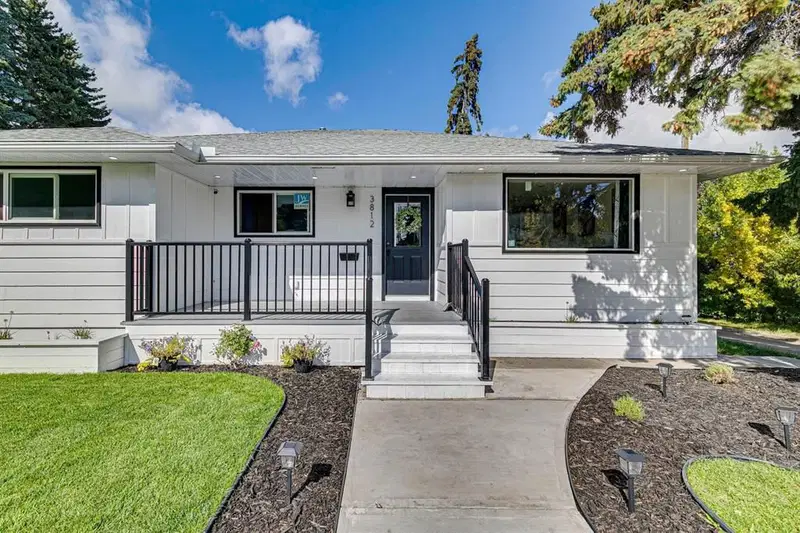 $1,100,0003812 3 Avenue SW
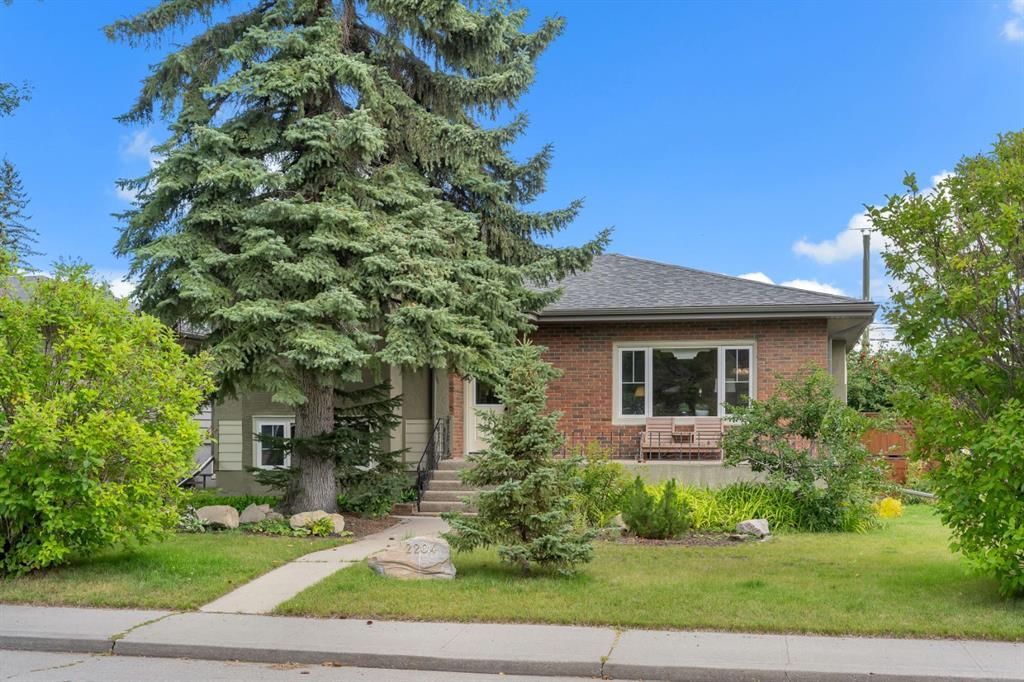 $969,9002204 Halifax Crescent NW
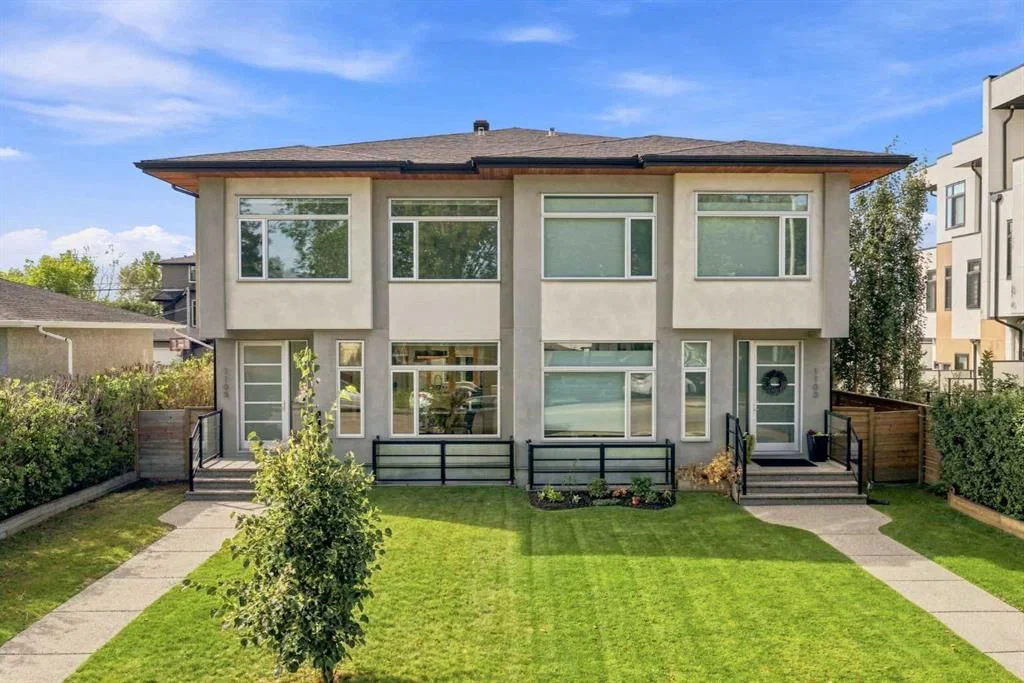 $949,9001105 Child Avenue NE
Showing 12 of 6273 matching active MLS® listings in Calgary. Prices and availability update every 10 minutes.
More homes for sale in Calgary
- 2213 25 Avenue NW · $929,900 · 3 bed · Semi Detached (Half Duplex)
- 415 51 Avenue SW · $924,900 · 2 bed · Detached
- 52 Parkvalley Place SE · $899,900 · 4 bed · Detached
- 343 Berkshire Place NW · $899,000 · 2 bed · Detached
- 400 Sienna Park Drive SW · $885,000 · 3 bed · Detached
- 69 Amblehurst Way NW · $859,500 · 5 bed · Detached
- 10704 Maplecrest Road SE · $850,000 · 3 bed · Detached
- 48 Skyview Point Terrace NE · $839,999 · 4 bed · Detached
- 161 Cranleigh Bay SE · $812,000 · 3 bed · Detached
- 2106 49 Avenue SW · $809,900 · 2 bed · Row/Townhouse
- 24 Rowmont Common NW · $799,900 · 3 bed · Detached
- 128 WESTON Manor SW · $785,000 · 3 bed · Detached
- 327 Panamount Point NW · $745,000 · 3 bed · Detached
- 175 Herron Landing NE · $739,900 · 3 bed · Detached
- 4824 41 Avenue SW · $729,900 · 3 bed · Detached
- 1950 12 Street NW · $725,000 · 3 bed · Row/Townhouse
- 177 Royal Birch Terrace NW · $720,000 · 3 bed · Detached
- 57 Arbour Stone Crescent NW · $680,000 · 3 bed · Detached
- 49 Douglasbank Gardens SE · $674,900 · 2 bed · Semi Detached (Half Duplex)
- 1028 Kincora Drive NW · $670,000 · 3 bed · Detached
- 411 37 Avenue NW · $650,000 · 3 bed · Detached
- 7165 California Boulevard NE · $649,900 · 2 bed · Detached
- 228 Annette Villas NW · $599,900 · 3 bed · Semi Detached (Half Duplex)
- 10800 Hidden Valley Drive NW · $598,000 · 3 bed · Detached
- 124 Castlebrook Road NE · $595,000 · 3 bed · Detached
- 15 Maidstone Place NE · $589,900 · 3 bed · Detached
- 707 Malvern Drive NE · $580,000 · 3 bed · Detached
- 113 Taralea Circle NE · $560,000 · 3 bed · Detached
- 7198 Laguna Way NE · $534,900 · 3 bed · Detached
- 7 San Diego Manor NE · $529,900 · 3 bed · Detached
- 2201, 615 6 Avenue SE · $516,000 · 2 bed · Apartment
- 13 Shawglen Court SW · $514,900 · 2 bed · Detached
- 20548 Main Street · $499,000 · 3 bed · Row/Townhouse
- 179 Saddlemead Green NE · $475,800 · 3 bed · Detached
- 707, 108 15 Avenue SE · $475,000 · 2 bed · Apartment
- 104, 474 Seton Circle SE · $460,000 · 3 bed · Row/Townhouse
- 505, 310 12 Avenue SW · $458,000 · 2 bed · Apartment
- 320 Abinger Crescent NE · $439,900 · 4 bed · Detached
- 805, 8000 Wentworth Drive SW · $439,000 · 2 bed · Row/Townhouse
- 156 Livingston Common NE · $439,000 · 3 bed · Row/Townhouse
- 369 Falshire Drive NE · $429,000 · 3 bed · Detached
- 504 NOLAN HILL Boulevard NW · $429,000 · 2 bed · Row/Townhouse
- 112 Carrington Boulevard NW · $425,000 · 2 bed · Row/Townhouse
- 3621 28A Avenue SE · $425,000 · 2 bed · Semi Detached (Half Duplex)
- 142, 5201 Dalhousie Drive NW · $379,999 · 1 bed · Apartment
- 55 Panatella Road NW · $379,900 · 2 bed · Row/Townhouse
- 1807, 530 3 Street SE · $379,000 · 1 bed · Apartment
- 156 Dovely Crescent SE · $375,000 · 2 bed · Detached
- 316, 119 19 Street NW · $369,900 · 2 bed · Apartment
- 112 Abalone Place NE · $365,000 · 3 bed · Semi Detached (Half Duplex)
- 902, 220 12 Avenue SE · $349,900 · 2 bed · Apartment
- 511, 328 21 Avenue SW · $264,999 · 1 bed · Apartment
- 102, 108 Edgeridge Terrace NW · $259,900 · 2 bed · Apartment
- 102, 110 12 Avenue NE · $259,900 · 2 bed · Apartment
- 306, 1053 10 Street SW · $249,900 · 1 bed · Apartment
- 902, 205 Riverfront Avenue SW · $239,800 · 1 bed · Apartment
- 2412, 5605 Henwood Street SW · $229,900 · 1 bed · Apartment
- 1P, 525 56 Avenue SW · $209,900 · 1 bed · Apartment
- 103, 2200 Woodview Drive SW · $204,900 · 2 bed · Row/Townhouse
- 19, 5425 Pensacola Crescent SE · $179,900 · 3 bed · Row/Townhouse