The short answer
Most Calgary communities have to manufacture a village centre. Inglewood inherited one. It combines a main street that is genuinely old, a long list of independent businesses, a music and arts scene, two rivers and a bird sanctuary, and a downtown that is minutes away — and people live among those things rather than driving to them.
That combination is why it keeps appearing in “best of” conversations. It is also an older neighbourhood beside two rivers, so it comes with trade-offs worth knowing before you buy. Both halves are below. For current listings, see Inglewood homes for sale.
History you can still walk through
The Inglewood name was established officially in 1911, taken from the nearby homestead of Colonel James Walker. Many of the neighbourhood’s businesses are on 9th Avenue, which was formerly Atlantic Avenue. Tourism Calgary calls Inglewood Calgary’s oldest neighbourhood, and the Inglewood business association counts about 400 residential, institutional and commercial buildings constructed before 1914.
That matters because it cannot be recreated. A newer community can plan a main street, but it cannot give you an old brick storefront next to a converted workshop next to a century-old house on the next block. Inglewood shows several eras at once, and that texture is a large part of what people mean when they say a neighbourhood has character.
The 2014 award, accurately
In 2014 the Canadian Institute of Planners named Inglewood the winner of its Great Places in Canada competition for neighbourhoods — Canada’s Greatest Neighbourhood. Reporting at the time said the judges pointed to planning excellence, including affordable housing, diverse transportation options, strong community spirit shown during the 2013 flood, and about 200 shops, cafés, restaurants and live music venues. The Institute said Inglewood had retained a “sense of living in a village” even though it sits on the outskirts of downtown.
Two things worth being precise about. It was a 2014 designation, not a ranking that is updated every year, and it was specifically about the neighbourhood as a place — which is the part that holds up more than a decade later.
A main street that is mostly independent
The Inglewood business association describes more than two hundred shops, cafés, restaurants and live music venues, and ties the area’s vibrancy to low, human-scale building heights and its village feel. Tourism Calgary describes the district as walkable, bike-friendly and easy to reach by bus, and lists established names such as The Nash, Deane House, Cold Garden and High Line Brewing alongside newer operators.
The practical effect is that an evening can be one trip: dinner, a drink, a show, and a walk home. A neighbourhood where people walk produces a lot of small repeat encounters — the person with the dog, the owner of the coffee shop — and those are what people end up describing as community.
Two rivers and a bird sanctuary
Inglewood sits where the Bow and Elbow rivers meet, and the river pathway system runs through and beside it. At the east end is the Inglewood Bird Sanctuary, established in 1929, at 2425 Ninth Avenue SE. The City records 270 species of birds, 21 species of mammals and 347 species of plants there.
That is an unusual feature for a neighbourhood this close to downtown: the further east you go, the less urban it becomes. You can have dinner on 9th Avenue and be on a wetland trail shortly afterwards.
Music and culture
Inglewood is on the Music Mile and has long-running venues. Tourism Calgary names Ironwood Stage & Grill, which it describes as a long-standing live music venue with nightly performances, Festival Hall (where the Calgary Folk Music Festival hosts concerts through the year), Café Gravity, which is a coffee shop by day and a performance space at night, and The Attic Bar & Stage. It reads as an ecosystem of working venues rather than a strip of restaurants with apartments above them.
The honest downsides
This is the part a neighbourhood brochure leaves out, and it is the part that decides whether Inglewood is right for you.
Flood risk is real and property-specific
Inglewood sits beside the Bow and Elbow rivers. The City of Calgary’s flood resilience plan lists Inglewood among the Bow River communities for permanent flood barriers, but the page we checked does not give the project’s status or timeline, so do not assume protection is complete. Check the specific property against the City’s interactive flood map and the Alberta government’s flood hazard maps, and ask your insurer how the address is rated, before you write an offer. The name of the community is not a substitute.
Older homes need older-home due diligence
A house from 1912 does not come with the same checklist as one built in 2012: foundations, old plumbing and wiring, additions from different eras and renovations that deserve a proper look. Start with our guides on what to inspect by build decade, which foundation cracks are serious and Poly-B plumbing.
Rail, traffic and noise depend on the block
Inglewood has a working rail corridor and a busy main street. A quiet street and a street near the tracks or 9th Avenue are different purchases. Visit at different times of day, on a weeknight and a weekend, before you decide.
The neighbourhood is changing
Redevelopment is adding homes, which is a good thing for the long-term vitality of the area and a source of real tension about preserving its scale. If you are buying beside a lot that could be redeveloped, find out what the City’s land use rules allow there.
Who Inglewood suits — and who it does not
It suits buyers who want to walk to dinner, who like older homes and are willing to do the due diligence, and who value being close to downtown without living in it. It suits people who would rather have a lot with character than a new build with a double garage.
It is a harder fit if you want a large new home on a big lot, a guaranteed quiet street, or no questions about flood exposure. For a direct comparison with a neighbouring inner-city community, see Bridgeland vs Inglewood.
Inglewood on CalgaryListings
- Inglewood homes for sale — the community page, with the current market
- Detached homes · condos · luxury homes · recently sold
- Condo buildings: Pearce Gardens, The McGill Block, Irvine and Inglewood Place
Quick answers
Was Inglewood really named Canada’s Greatest Neighbourhood?
Yes. The Canadian Institute of Planners named Inglewood the winner of its Great Places in Canada neighbourhood competition in 2014. It was a one-time designation, not a ranking that is updated each year.
Is Inglewood a good place to live in Calgary?
For buyers who want a walkable, historic, independent-business main street close to downtown and the rivers, it is among the strongest options in the city. The trade-offs are older homes, flood risk that depends on the property, and noise that depends on the block.
How old is Inglewood?
The Inglewood name was established officially in 1911, and Tourism Calgary calls it Calgary’s oldest neighbourhood. About 400 buildings there were constructed before 1914, according to the local business association.
Is Inglewood safe from flooding?
That depends on the specific property. Inglewood sits beside the Bow and Elbow rivers and the City lists it among the Bow River communities for permanent flood barriers, but check the address against current flood maps and ask your insurer before you buy.
Homes currently for sale in Inglewood
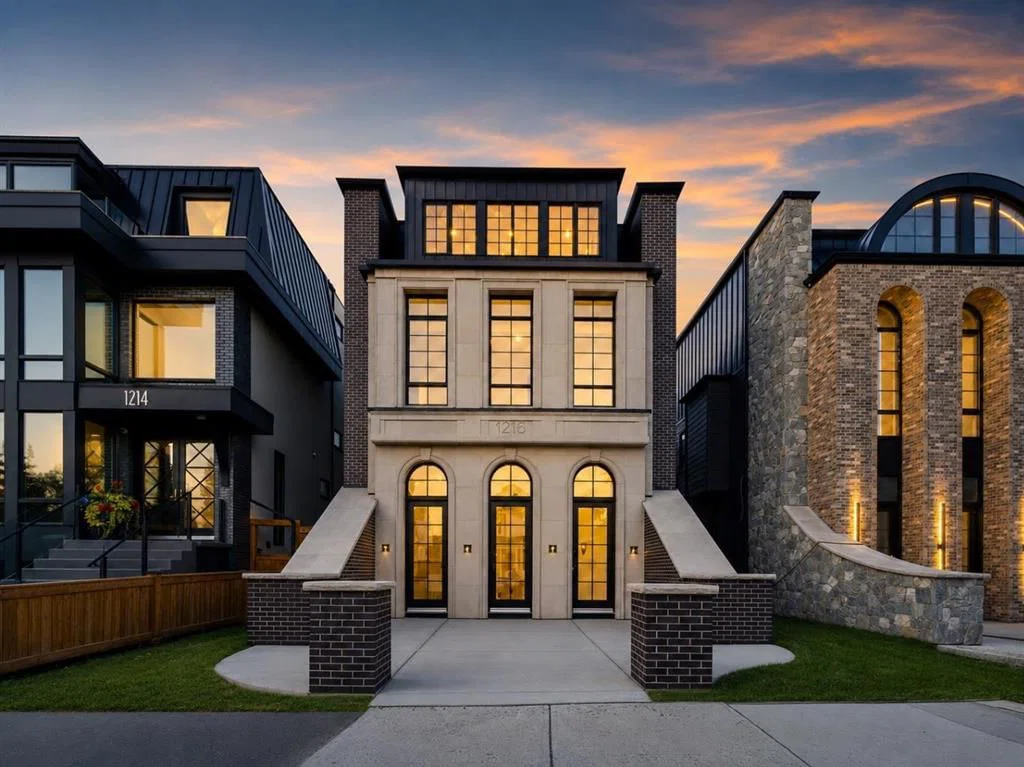 $3,345,0001216 8 Avenue SE
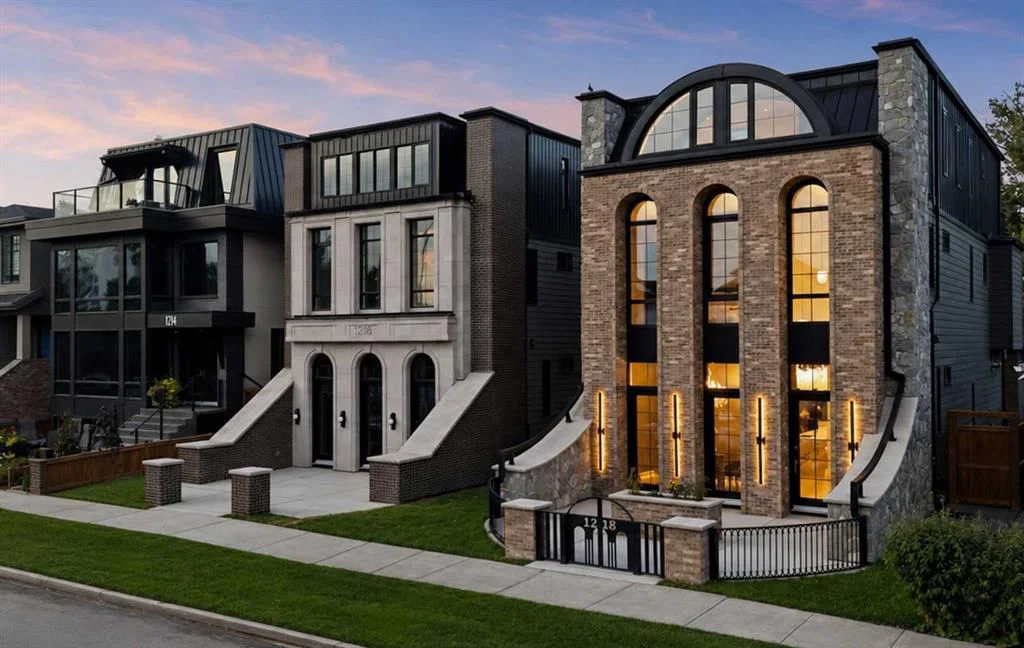 $3,295,0001218 8 Avenue SE
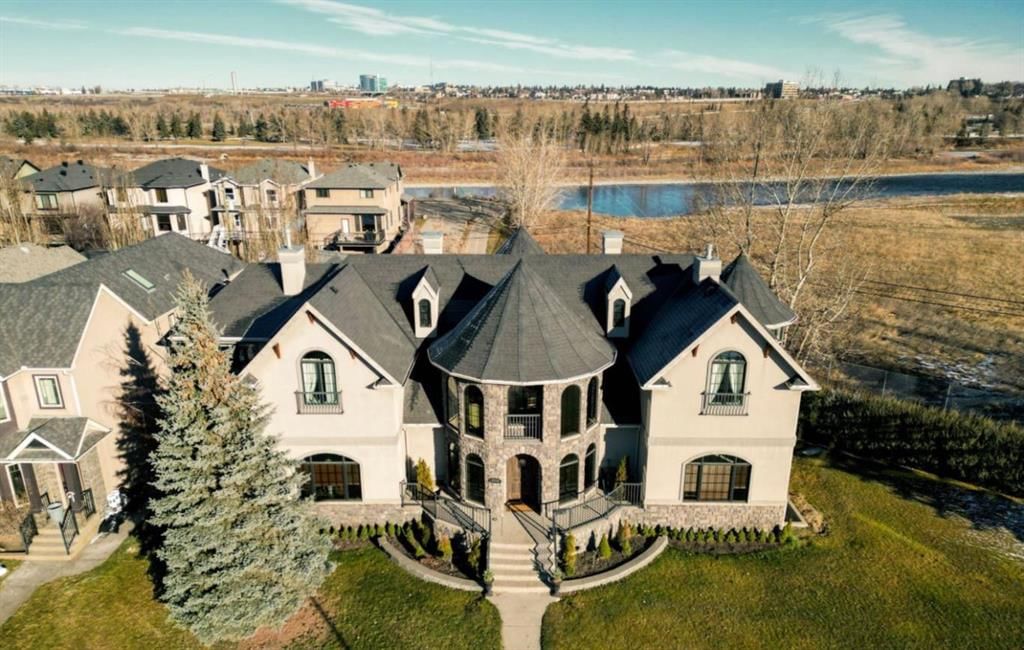 $2,888,8882248 9 Avenue SE
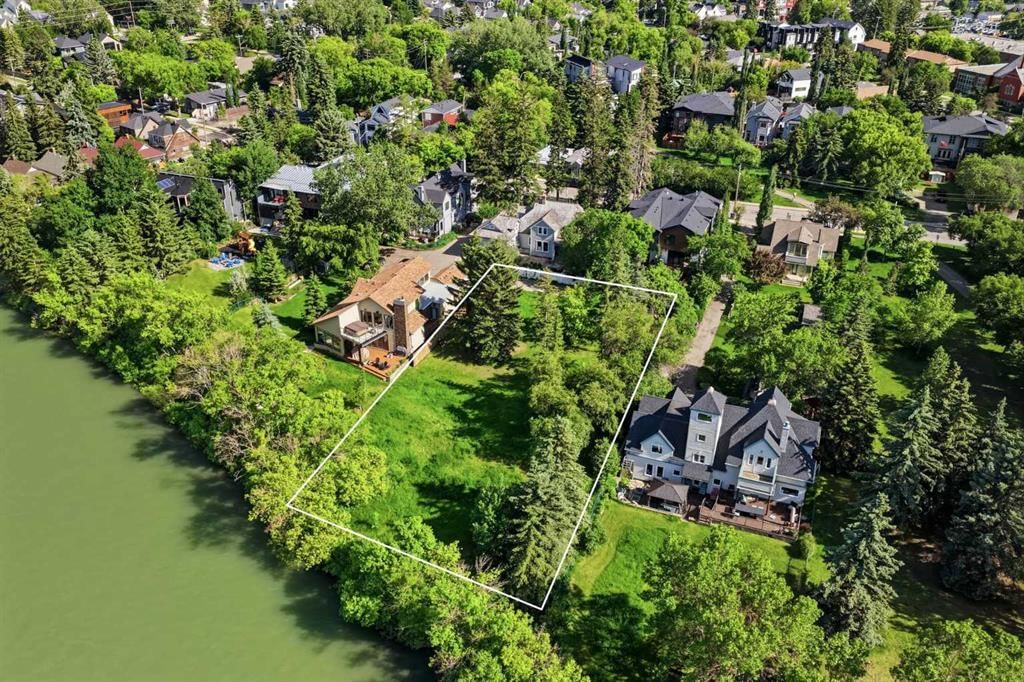 $2,800,00010 and 14 Major Stewart Lane SE
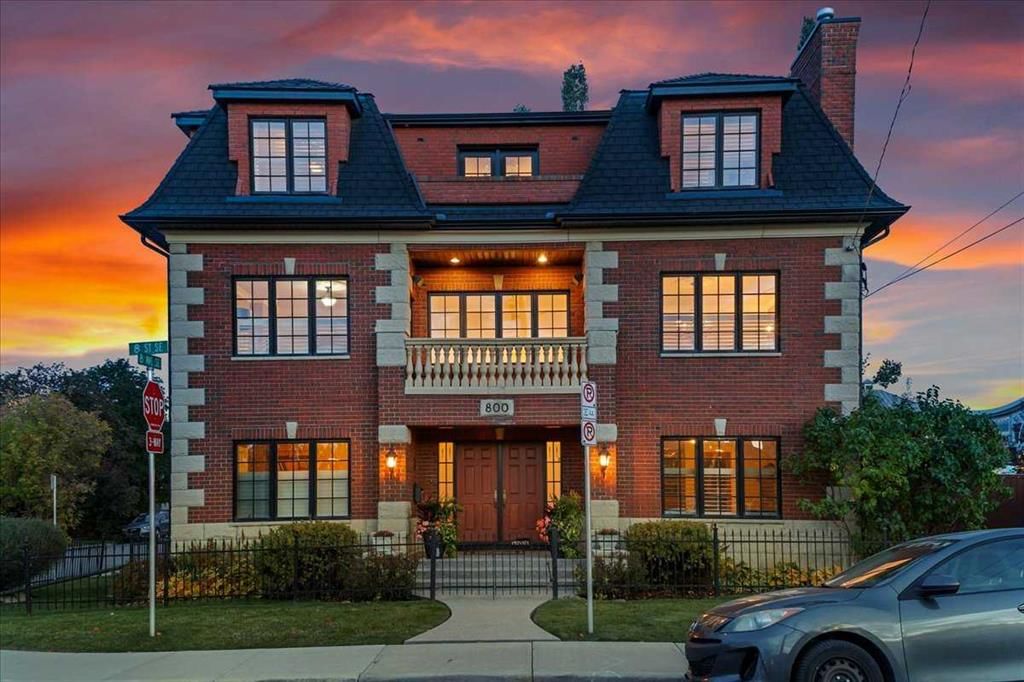 $2,395,000800 8 Street SE
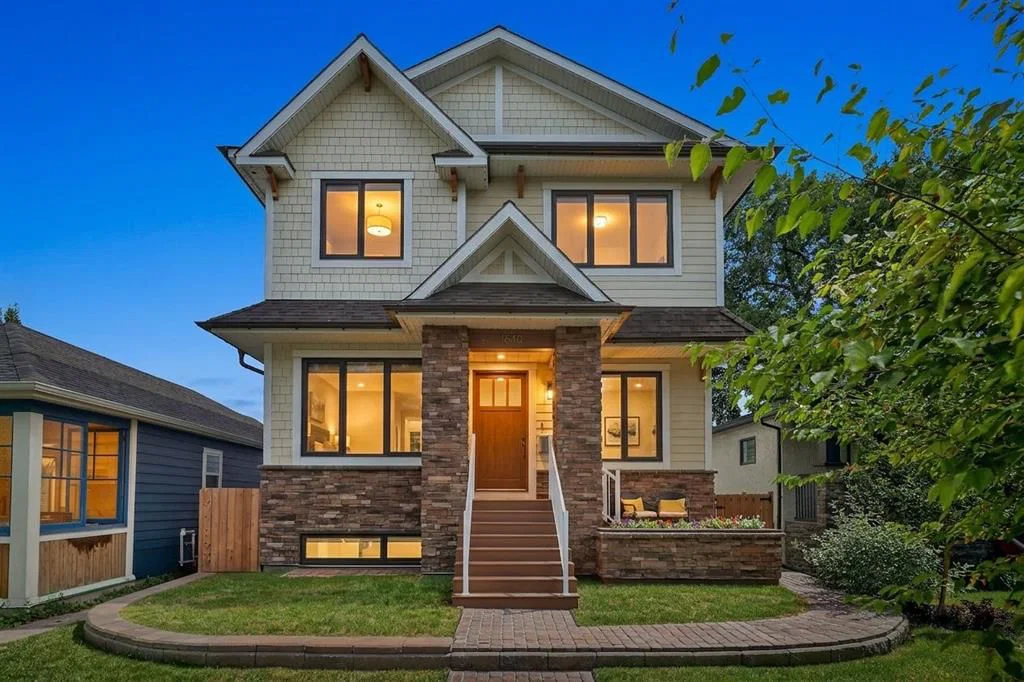 $1,800,0001640 16 Street SE
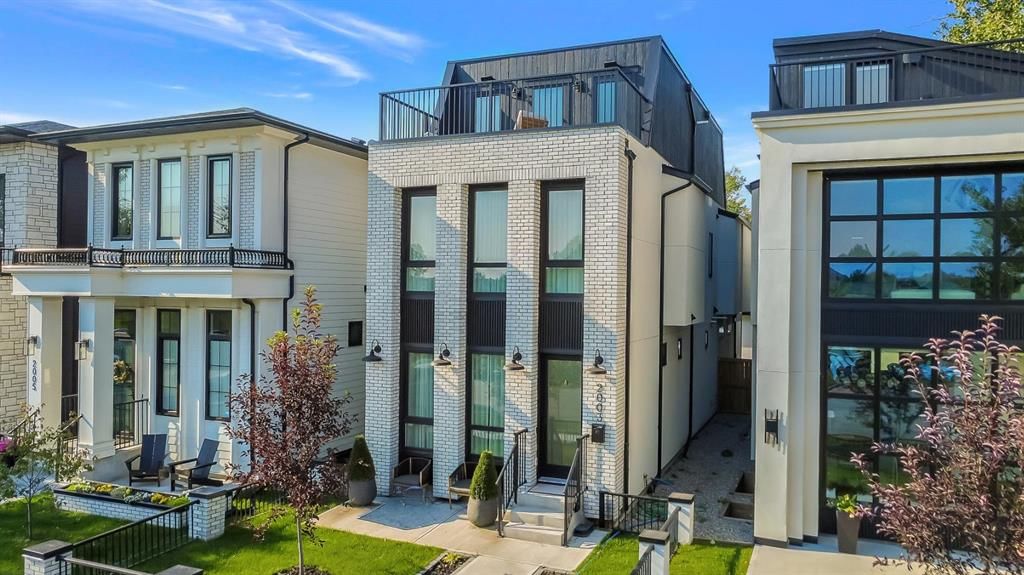 $1,699,0002003 7 Avenue SE
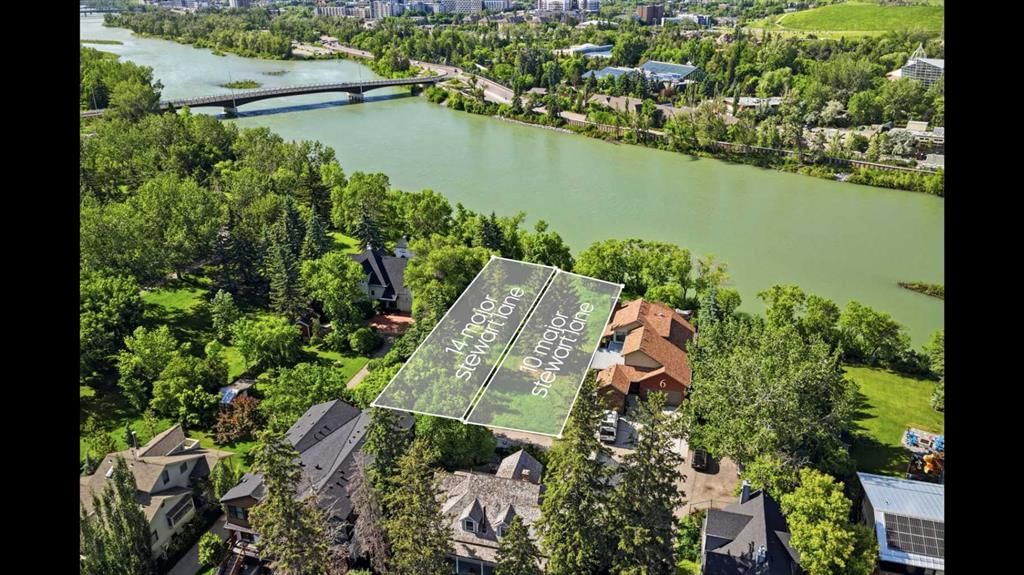 $1,450,00014 Major Stewart Lane SE
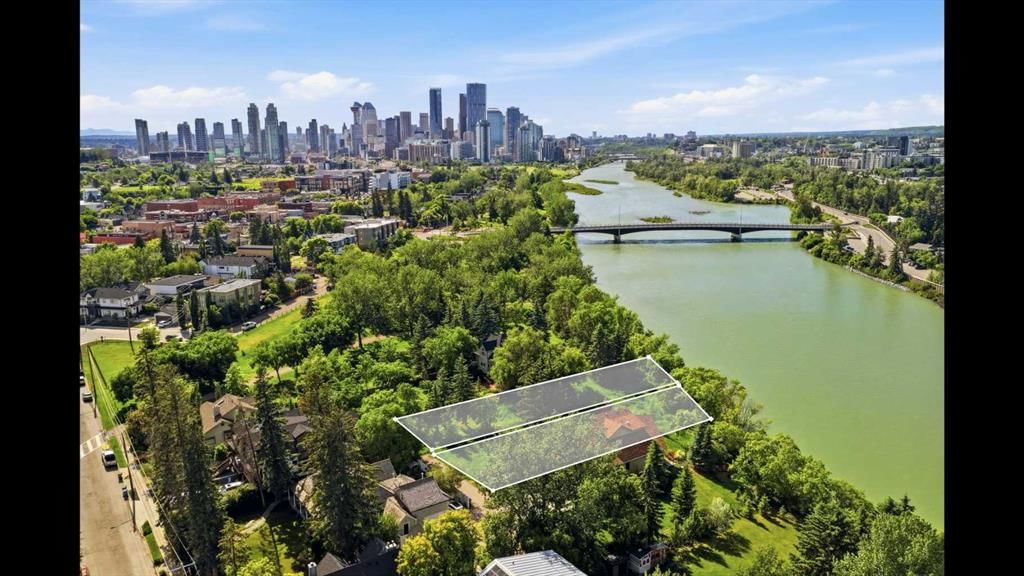 $1,350,00010 Major Stewart Lane SE
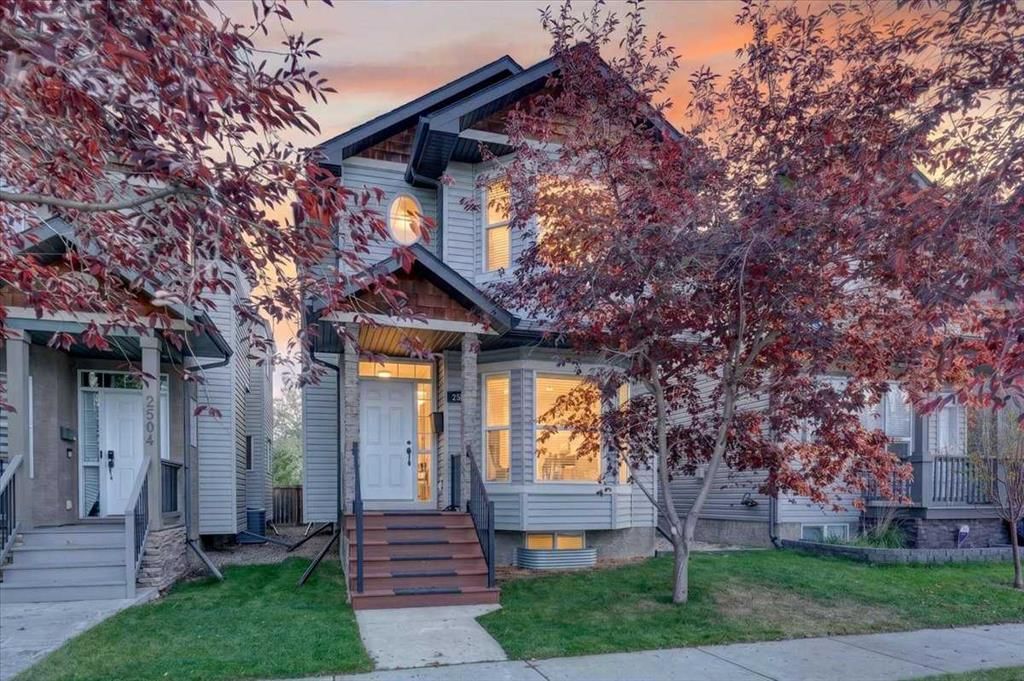 $900,0002506 17 Street SE
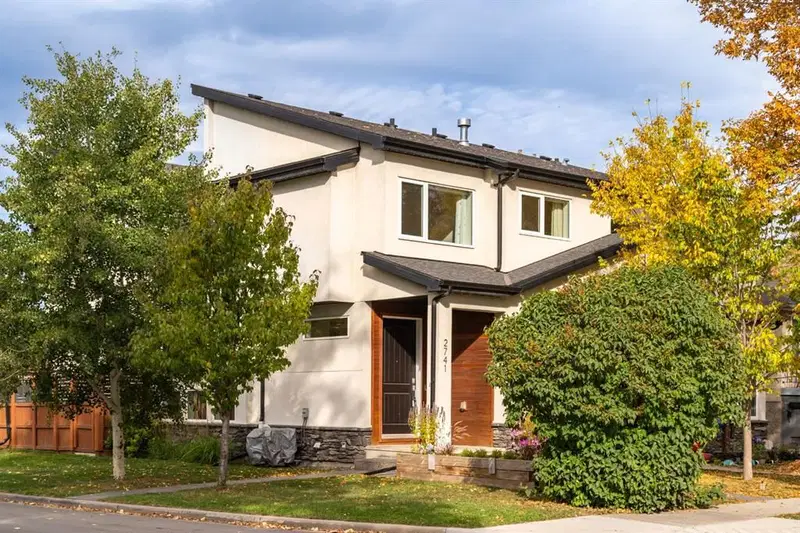 $899,9002741 16A Street SE
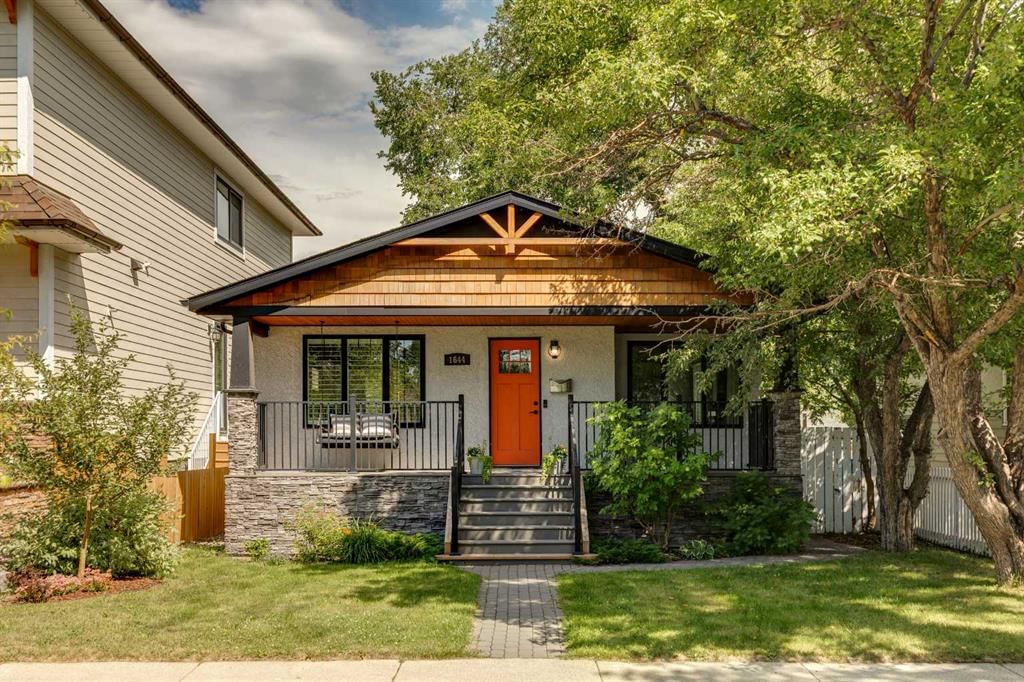 $874,9001644 16 Street SE
Showing 12 of 36 matching active MLS® listings in Inglewood.
More homes for sale in Inglewood
- 1424 11 Avenue SE · $649,000 · 2 bed · Detached
- 7, 1922 9 Avenue SE · $630,000 · Mixed Use
- 2333 16 Street SE · $629,900 · 2 bed · Detached
- 2522 17 Street SE · $609,999 · 2 bed · Detached
- 304, 1212 13 Street SE · $600,000 · 1 bed · Row/Townhouse
- 1309 10 Avenue SE · $599,000 · 2 bed · Detached
- 192 Inglewood Cove SE · $585,000 · 3 bed · Row/Townhouse
- 59, 2318 17 Street SE · $569,900 · 3 bed · Row/Townhouse
- 2916 17 Street SE · $549,000 · Residential Land
- 303, 1212 13 Street SE · $540,000 · 1 bed · Row/Townhouse
- 612, 63 Inglewood Park SE · $485,000 · 2 bed · Apartment
- 1626 24 Avenue SE · $470,000 · 3 bed · Detached
- 505, 63 Inglewood Park SE · $469,999 · 2 bed · Apartment
- 315, 63 Inglewood Park SE · $427,000 · 2 bed · Apartment
- 414, 63 Inglewood Park SE · $420,000 · 2 bed · Apartment
- 307, 1020 9 Avenue SE · $375,000 · 1 bed · Apartment
- 408, 1414 17 Street SE · $369,000 · 2 bed · Apartment
- 114, 1414 17 Street SE · $335,000 · 2 bed · Apartment
- 400, 1408 17 Street SE · $325,000 · 1 bed · Apartment
- 303, 1414 17 Street SE · $320,000 · 2 bed · Apartment
- 413, 35 Inglewood Park SE · $314,900 · 1 bed · Apartment
- 411, 35 Inglewood Park SE · $299,900 · 1 bed · Apartment
- 407, 1414 17 Street SE · $290,000 · 1 bed · Apartment
- 504, 1020 9 Avenue SE · $259,900 · 1 bed · Apartment
Sources checked October 6, 2026: Global News on the 2014 award · Inglewood BIA: history · Tourism Calgary: Inglewood guide · City of Calgary: Inglewood Bird Sanctuary · City of Calgary: flood resilience. Counts and business listings change; confirm anything that matters to a purchase.