It depends on what you need the property to do, and on the specific duplex. A duplex can suit a buyer who wants to live in one unit and rent the other, or an owner who wants two tenancies on one lot, provided the title, the zoning, both units and both leases check out and the numbers work with no appreciation at all. It suits less well if you want one simple title, no landlord duties, or a property you can sell to the widest group of home buyers. We do not call a duplex, or any property type, a good or bad investment, and we do not project returns. This guide covers what a duplex is in Calgary, what to compare before you buy one, and when a suited house may fit better.
Nothing here is investment, tax, lending or legal advice. Your lender, accountant, insurer and real estate lawyer each confirm their part for the specific property.
Key Takeaways
- “Duplex” on a Calgary listing can mean a whole two-unit building on one title, one half on its own title, or a small condominium. Have your lawyer pull the title before you compare prices.
- Side-by-side and up-and-down duplexes are different products: they differ in privacy, in who buys them later, and in how the units share systems.
- Since the citywide rezoning was repealed on 4 August 2026, rezoning is parcel by parcel. Check the current land use designation of the specific lot.
- Read both units’ leases, confirm any suite is legal, and ask your lender how it treats this specific property before you write.
- Run the numbers on the actual rent and costs at zero appreciation, using the investment calculator.
The 2026 Calgary Real Estate Landscape: Where Duplexes Fit
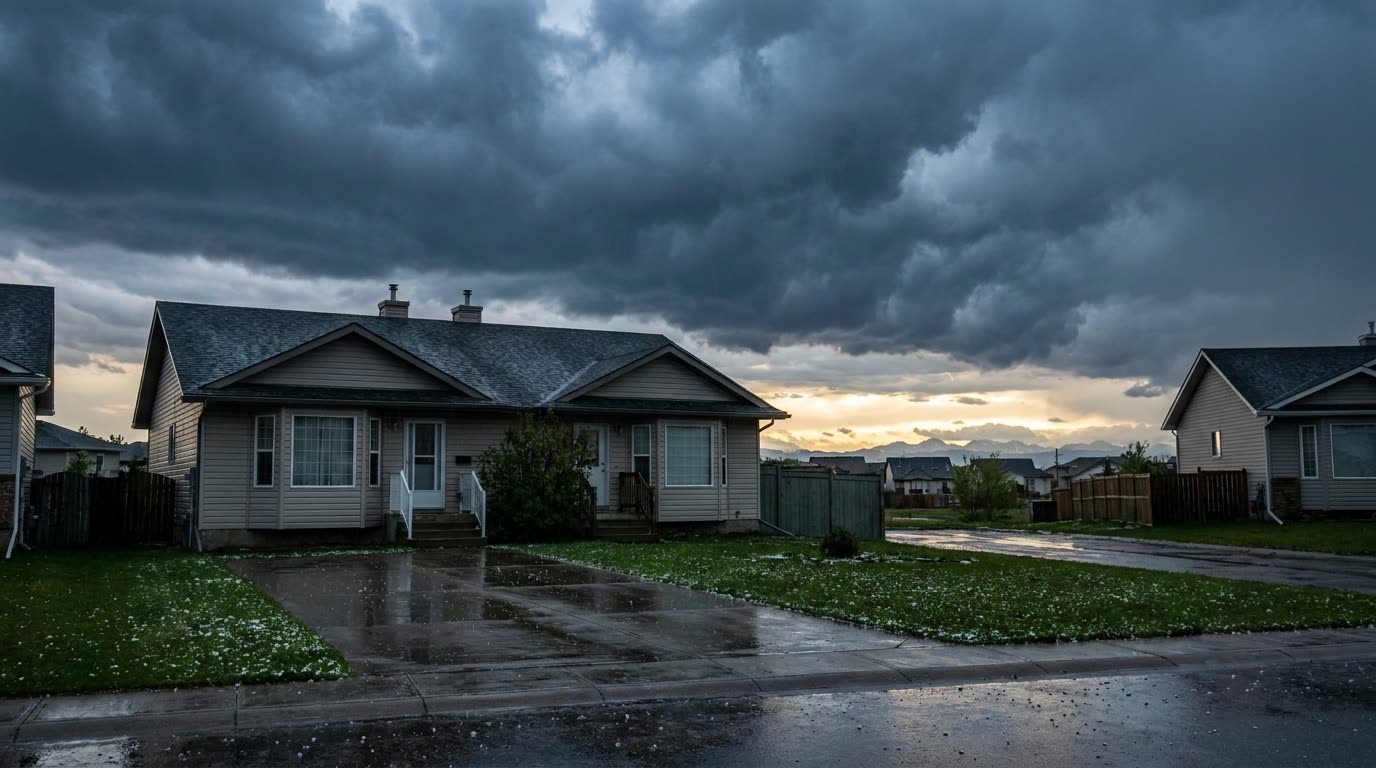
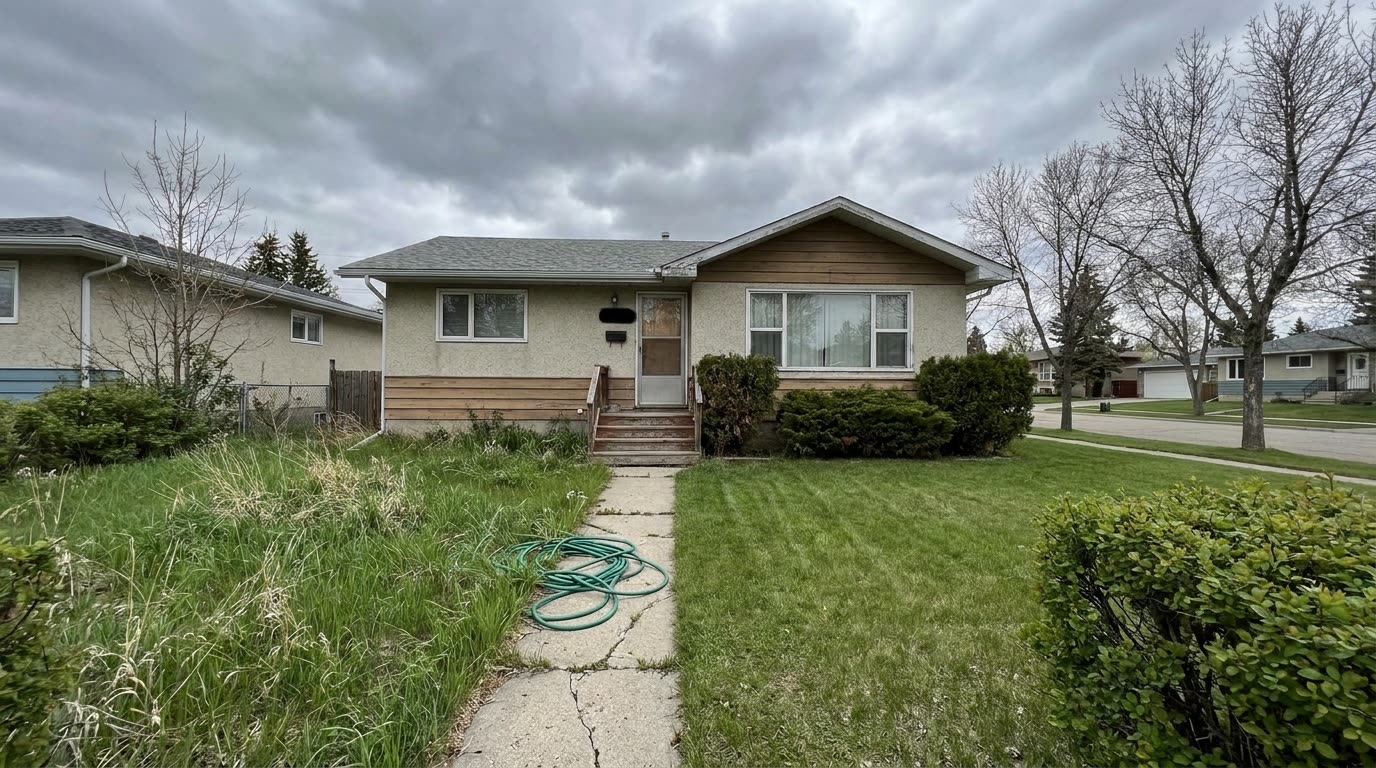
A duplex is one building with two homes in it. In Calgary you will see two layouts. A side-by-side duplex has two halves that share a wall, each with its own entrance, and often its own title. An up-and-down duplex has one unit above the other, usually on one title, so one owner holds both. Many inner-city side-by-side homes are newer infills built where an older bungalow stood; many up-and-down duplexes are older buildings.
Understanding Semi-Detached vs. Duplex in Alberta
The words are used loosely, so the title tells you what you are buying. A semi-detached home usually means each side has its own title and can be sold on its own. A duplex often means two units on one title held by one owner. Some are registered as small condominiums, with bylaws, a corporation and sometimes fees. If each half has its own title, ask whether a party wall agreement or easement is registered and what it says about shared repairs. Your lawyer can read the title and any registered agreements for you. Our semi-detached homes page covers the single-title-per-side version in more detail.
What Changed in 2026: Zoning
Calgary City Council repealed the 2024 citywide rezoning, with the change in effect on 4 August 2026. Most affected parcels went back to their earlier designation, and rezoning is now decided parcel by parcel. If you are buying a duplex, or a lot you hope to build one on, confirm the current designation of that specific parcel and what it allows. Start with our Calgary zoning guide, and ask the City if anything is unclear.
Financing a Duplex: Questions for Your Lender
Lenders set the down payment, the rate, the terms and how much of any rent they will count, and those depend on the property and on you. We do not quote any of them here. Questions to put to your lender or mortgage broker before you write an offer:
- How do you treat this specific property: one title or two, side-by-side or up-and-down, condominium or not?
- What down payment do you need if I live in one unit, and what if I rent both?
- Will you count rent from the other unit, how much of it, and do you need signed leases or an appraiser’s rent estimate?
- Does it matter whether a basement suite in either unit is legal and registered?
Living in One Unit or Renting Both
Living in one unit and renting the other is a common reason to look at a duplex, and it changes the conversation with your lender, your insurer and the tenant. Tell your lender which you plan to do. If you will be a landlord next door to your tenant, read the Residential Tenancies Act duties that come with it, and ask your insurer what cover you need for an owner-occupied property with a rented unit. Our first-time buyers guide covers the purchase steps if this would be your first home.
Cash Flow Analysis: Expenses You Need to Track
Count every cost the property carries whether it is rented or empty: mortgage payment, property tax, insurance written for a rental, utilities the tenants do not pay, maintenance and repairs, a reserve for the roof, furnaces and other big items, vacancy between tenants, turnover costs, and management or the value of your own time. If either unit is in a condominium, add the fees and read the reserve fund study. Take each figure from a document for that property, not from a rule of thumb, and run it through the investment calculator with appreciation set to zero. Rental demand also moves: the City of Calgary cites a CMHC purpose-built rental vacancy rate of 5.5%, so test any rent assumption against current listings for similar units.
Duplex vs. Suited House vs. Condo: What to Compare
The common alternatives to a duplex are a detached house with a secondary suite, and a condo you rent out. None is better in general. What differs:
- Title. A suited house is one title. A duplex may be one title or two, or a condominium. A condo is a unit plus a share of the common property, with bylaws and fees.
- Legal use. A suite must be allowed by the land use district, permitted, built to permit standard and registered with the City. See when a Calgary secondary suite is legal. A duplex’s two units are only as reliable as the zoning and permits behind them, so check those too.
- Systems. Separate or shared furnaces, water heaters and utility meters change who pays what and how you bill tenants.
- Leases. If either unit is rented, get copies of every lease, the rent and deposit amounts, and when each term ends. A sale does not end a tenancy, and the rules for ending one are in Alberta’s Residential Tenancies Act.
- Management. Two tenancies are two sets of rent, repairs and turnover.
- Who buys it later. A side-by-side half on its own title appeals to many of the people who look at small detached homes and townhouses. A whole two-unit building on one title appeals more to buyers who want rental income.
Our investment property page compares a suited house with a duplex in more detail.
Resale: What Affects It
Appreciation is not assured, and we do not project returns for duplexes or any other property type. What affects a resale price is the same as for any home: the title, the condition of both units and the shared wall and roof, the street, the legal status of any suite, and the market at the time. Price any duplex from recent sales of similar properties in the same community, not from a citywide average.
Maintenance and Lifestyle Considerations
If each half has its own title and there is no condominium, the owners share responsibility for common parts like the shared wall and roof under whatever agreement is registered on title. If there is no agreement, ask your lawyer what that means for shared repairs. If the duplex is a condominium, the bylaws set the rules on pets, rentals, renovations and fees. Have a home inspector look at both units, the shared wall, the roof and the drainage between the halves.
Locations: Where Calgary’s Duplexes Are
Duplexes and semi-detached homes are spread across Calgary, but the type of building differs by area. Which area suits you depends on your budget, the commute, schools, and whether you will live in the property.
Inner-City Infills: Altadore, Killarney, and Bridgeland
In inner-city communities such as Altadore and Killarney, many side-by-side homes are newer infills on lots that once held one bungalow, near the Marda Loop and 17th Avenue districts. Bridgeland has a mix of older and newer stock close to downtown. You can browse Altadore semi-detached homes and the other community searches from our Calgary communities guide.
Newer Suburbs: Seton, Mahogany, and Livingston
Newer communities such as Seton, Mahogany and Livingston include builder-built paired homes, often with front garages. A new build comes with Alberta new home warranty coverage; see what each warranty tier covers.
Before you commit to a specific property, check the street as well as the community:
- Entrances: Does each unit, and any basement suite, have its own entrance?
- Transit: How far is the walk to the nearest LRT station or frequent bus route?
- Lane access and parking: Is there a lane, a garage or a parking pad for each unit?
- Zoning: What is the parcel’s current land use designation, and does it match how the property is being used?
Getting Help with a Duplex Purchase
We can go through a specific duplex with you: what the title and any registered agreements show, what the leases say, whether a suite is on the City’s registry, how recent sales of similar properties compare, and which questions to take to your lender, insurer and lawyer.
Searching for Duplexes
Start with the semi-detached homes search and the suited homes search, then read the listing details for title and suite information and confirm them before you write. The Calgary MLS® listings page covers everything else on the market.
Your Next Steps
Talk to your lender first, so you know how they treat the type of duplex you are considering. Then shortlist properties, pull the title and leases on the one you like, and set conditions that give your lawyer, inspector and insurer time to do their part. If you want help with any of that, book a buyer call.
Summary: When a Duplex Suits You
A duplex can suit you if you want two homes on one lot, you are ready to be a landlord, and the title, zoning, suite status, leases and numbers check out for the specific property. A suited house may suit you better if you want one title and one tenant, and a condo if you want the building’s exterior looked after by a corporation. Whichever you choose, decide on the actual rent and costs at zero appreciation, and have your lender, insurer and lawyer confirm their parts before you remove conditions.
Frequently Asked Questions
Is a duplex a better investment than a single-family home in Calgary?
It depends on the property and on what you need it to do; neither is better in general, and we do not project returns for either. Compare the title (one or two), whether any suite is legal, the leases in place, who pays for the roof and other shared parts, what your lender and insurer say about that specific property, and how the numbers work with no appreciation. A suited detached house is one title with one owner; a duplex may be one title or two. Our investment property page compares a suited house with a duplex in more detail.
How does a shared wall affect the resale value of a Calgary duplex?
It depends on the building and the buyer, and we have not measured a figure for it. Buyers notice sound between units, the condition of the shared wall and roof, and how clearly responsibility for them is set out. Ask how the wall was built, whether a party wall agreement or easement is registered on the titles, and what the home inspection finds. Price it from recent sales of similar homes in the same community, not from a citywide rule.
Can I use the rental income from a duplex to qualify for a larger mortgage?
Sometimes, but that is the lender’s decision, not a rule. Whether a lender counts rent from the other unit, how much of it, and how, depends on the lender, the property, whether you live in one unit, and whether there are signed leases. Ask your lender or mortgage broker before you write an offer, and do not count on rent from a suite that is not legal.
What are the main differences between a duplex and a semi-detached home in Alberta?
The difference is usually in the title rather than the structure. A semi-detached home usually means each side has its own title and can be sold separately. A duplex often means two units on one title held by one owner, and some are registered as small condominiums with bylaws and fees. Listings use the words loosely, so have your lawyer pull the title before you rely on the description.
Are there condo fees associated with duplexes in Calgary?
Only if the property is registered as a condominium. Many duplexes are not, so there are no monthly condo fees, and the owners share responsibility for common parts like the roof under whatever agreement is registered on title. Some are registered as condominiums, including bare land condominiums, which come with bylaws and may have fees. Have your lawyer confirm the title before you remove conditions.
Which Calgary neighbourhoods have the highest rental demand for duplexes?
We do not rank communities by rental demand, because it changes with the season, new supply and the specific home. To test demand for a particular property, compare current rental listings for similar units nearby, ask how long the existing units took to rent, and check the latest CMHC rental market report. Transit, schools and employers matter to many tenants, so look at the specific street as well as the community.
What should I look for in a Party Wall Agreement before buying?
You need to ensure the agreement clearly defines how shared costs for structural repairs and exterior maintenance are split between owners. It should also include a clear dispute resolution process to handle any disagreements regarding the shared wall or roofline. Have your lawyer review it, and any other agreement registered on the titles, before you remove conditions.
Is it harder to sell a duplex than a detached house in Calgary?
It depends on the property, the price and the market at the time. A side-by-side half on its own title appeals to many of the people who look at small detached homes and townhouses. A whole two-unit building on one title, or an up-and-down duplex, appeals more to buyers who want rental income. Check recent sales of similar properties in the same community before you buy, so you know who your buyer would be later.