The final sale price on your Calgary home is just a number; it's the net proceeds landing in your bank account that actually dictates your next move. You've worked hard to build equity in your property, and we know that the fear of hidden fees or confusing commission splits eating away at that investment is completely valid.
Understanding exactly how much does it cost to sell a house in calgary is the first step toward a successful, surprise-free closing in our current 2026 market. Stop guessing and start planning with data-driven clarity.
We agree that transparency shouldn't be a luxury when you're navigating Alberta's unique 7/3 commission structure or complex Real Property Report (RPR) requirements. This guide promises to strip away the mystery by providing a clear, line-item breakdown of legal fees, GST, and the strategic preparation costs that help you stand out as inventory levels rise.
We'll preview the essential budget items you need to track, helping you realize the full value of your home while ensuring your interests are protected by professional REALTOR® representation every step of the way. Let us manage the heavy lifting while you focus on your future.
Key Takeaways
- Gain a clear understanding of how REALTOR® commissions are structured and split through the MLS® system to ensure you're getting high-level professional support.
- Identify the mandatory closing costs, such as legal fees and Real Property Report requirements, that are vital for a successful Calgary transaction.
- Determine exactly how much does it cost to sell a house in calgary by exploring the typical 5% to 8% range of total selling expenses.
- Evaluate how strategic staging and pre-listing preparations can influence your final sale price and maximize your overall return on investment.
- Learn the net proceeds formula to help you realize the true amount of equity you'll walk away with once your sale is finalized.
Breaking Down the Total Cost to Sell a House in Calgary
Selling your home involves more than just picking a listing price and waiting for offers. To truly understand your bottom line, you need to look at the "net proceeds" rather than the gross sale price. In the current 2026 Calgary market, most homeowners should budget between 5% and 8% of the final sale price to cover the total costs of the transaction.
While that range might seem broad, the specific how much does it cost to sell a house in calgary depends heavily on your property type and the level of preparation required to stand out in a balanced market. Homeowners looking to minimize these expenses can discover Congress Realty for a deeper look at protecting their home equity.
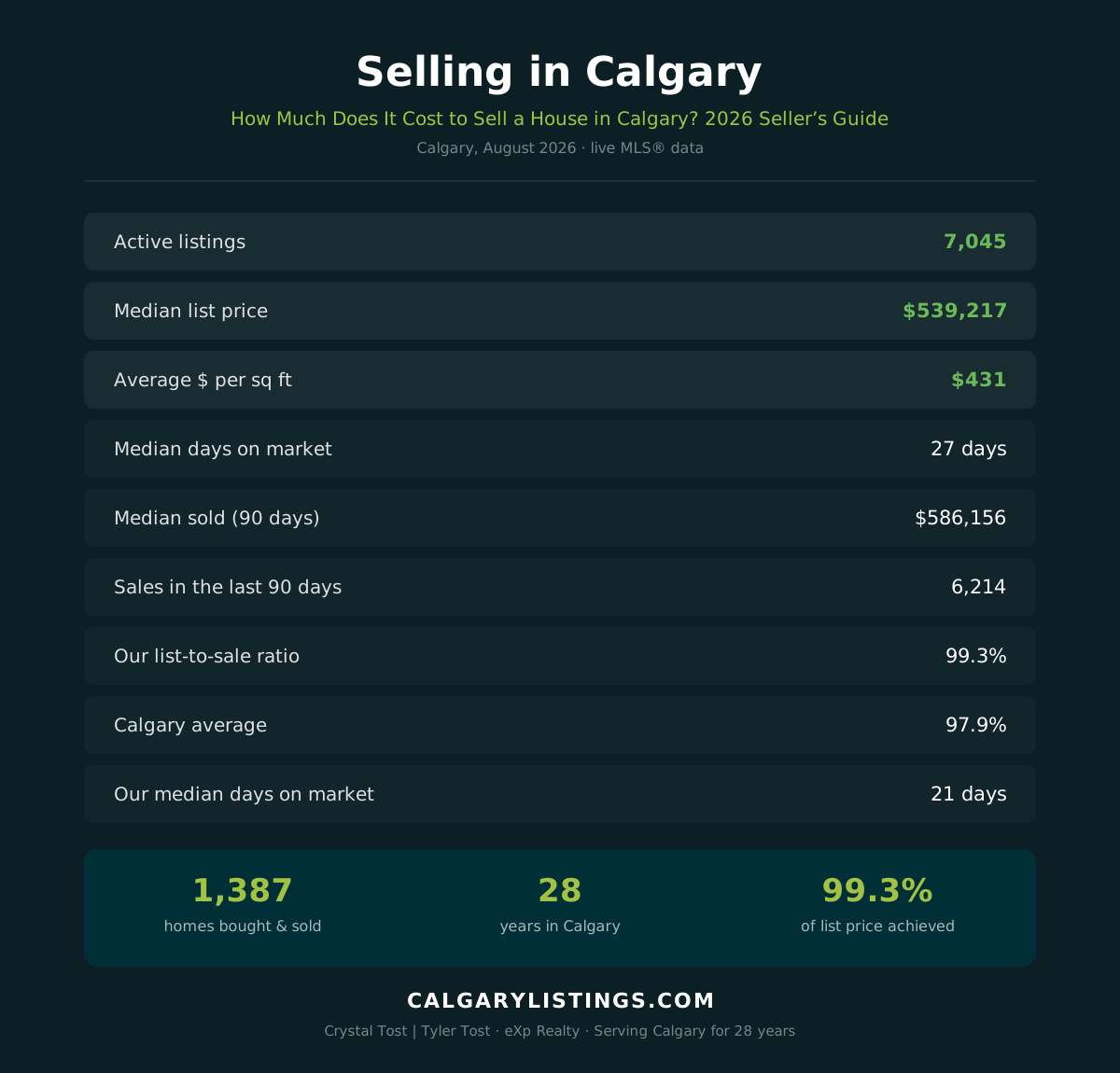
Precision in your budget is non-negotiable this year. With a sales-to-new-listings ratio sitting at 55%, Calgary has moved into a period of adjustment with higher supply than we saw in the early 2020s. Buyers are more selective, and price growth has softened in segments like townhomes and condos.
This shift means every dollar spent on the sale must be a strategic investment designed to protect your equity. You don't want to be surprised by a mortgage discharge penalty or an outdated survey when you're already halfway through the process.
While this guide focuses on the Calgary market, those interested in how efficiency is maximized in other regions can explore A Quick House Sale Service Through Trusted Partners to see how Ready Steady Sell facilitates expedited sale introduction services through vetted networks.
The "Big Three" Expenses for Calgary Sellers
The largest portion of your budget will inevitably go toward professional fees and compliance. Real estate commissions represent the most significant single expense. This fee covers the professional services provided by your REALTOR® and the buyer's representative, ensuring your home is marketed effectively on the MLS® system.
Next, you must account for legal and closing fees. These are essential for the formal transfer of land title and the settlement of any existing debts against the property. Finally, property compliance is a major factor in Alberta. This includes your Real Property Report (RPR) and ensuring all municipal permits are closed and in order before the keys change hands.
Fixed vs. Negotiable Selling Costs
It's helpful to categorize your expenses into fixed and variable buckets. Fixed costs are generally set by third parties and offer little room for movement. These include lawyer fees, City of Calgary compliance stamps, and Land Titles registration fees, which saw a significant increase in late 2024.
These professionals play a critical role in the real estate transaction process, ensuring the deal is legally binding and the title is clear. Banks also charge fixed fees for discharging your current mortgage, which can vary based on your specific lender's terms.
Negotiable or variable costs are where you have more control over your ROI. You can choose how much to invest in professional staging or pre-sale repairs to attract higher offers. Even commissions are negotiable in Alberta, though it's vital to consider how the fee affects the level of marketing and exposure your home receives.
To get a clear starting point for your budget, we recommend starting with an Online Home Evaluation. This helps establish a realistic market value so you can calculate your estimated 5% to 8% costs with greater accuracy from day one.
Understanding REALTOR® Commissions and the MLS® System
When homeowners ask how much does it cost to sell a house in calgary, the discussion usually starts with commission. In Alberta, a common structure is 7% on the first $100,000 of the sale price and 3% on the remaining balance.
This total amount isn't just a fee for one person; it's typically split between the listing brokerage and the buyer's brokerage. This cooperative model ensures your home is visible to every qualified buyer working with a professional representative in the city.
While these figures are a primary component of the standard costs of selling a home, it's vital to view them as an investment in your final net proceeds. The MLS® System acts as a massive engine, pushing your property data to thousands of sites and ensuring you aren't just selling to the person walking past your yard.
Professional representation also serves as your legal and financial safeguard. We manage the complex paperwork and ensure all disclosures are handled correctly, protecting you from potential litigation long after the sale is complete.
What Your Commission Actually Covers
A professional listing service goes far beyond simply putting a sign in the grass. It involves a sophisticated digital marketing strategy that places your property on high-traffic Calgary real estate listings where 2026 buyers are actively searching. To capture attention in a market where inventory is rising, we utilize high-end professional photography, detailed floor plans, and immersive virtual tours.
These tools are no longer optional; they're the baseline for attracting serious offers. Beyond the tech, you're paying for expert negotiation. Our 28 years of local experience means we know how to push for every dollar, ensuring you don't leave money on the table when an offer arrives.
The Risk of Under-Commissioning in a Competitive Market
It's tempting to look for the lowest possible rate, but the cheapest option often results in a lower net return. In a balanced market where the sales-to-new-listings ratio is around 55%, you need buyer agents to be excited about showing your home.
If the buyer's side of the commission is significantly below the market average, you may see a drop in showings. This lack of competition can lead to your home sitting on the market longer, which often results in price drops that far exceed what you might have saved on fees.
Transparency is key here. We believe in having candid conversations about how commission impacts your results so you can make an informed choice. If you're ready to see how a strategic approach can work for you, exploring our residential listing services is a great next step.
For those interested in how listing models operate in other jurisdictions, Congress Realty offers a helpful example of how professional services can be structured to optimize seller exposure.
Essential Closing Costs: Legal Fees, RPRs, and GST
Once you move past the commission, the technical side of the transaction takes over. When calculating how much does it cost to sell a house in calgary, you must account for the essential closing costs that ensure a clean transfer of title.
These aren't optional extras; they're the administrative requirements that protect both parties and satisfy Alberta's land registration standards. Budgeting for these early prevents the stress of seeing your net proceeds dip unexpectedly on closing day.
Legal fees for a standard residential sale in Calgary typically fall between $1,000 and $2,500. This range covers the lawyer's professional fee plus "disbursements," which are out-of-pocket expenses the lawyer pays on your behalf, such as land title searches and registration costs.
It's important to remember that in Alberta, a 5% Goods and Services Tax (GST) applies to both these legal fees and your REALTOR® commissions. For a clear perspective on these administrative requirements, you can refer to the Calgary Real Estate Board's breakdown of seller costs, which provides a reliable industry overview for local homeowners.
The Critical Role of the Real Property Report
In Alberta, the Real Property Report (RPR) is a non-negotiable document for most residential sales. This legal survey shows the exact boundaries of your land and the location of every improvement, from the house itself to that garden shed or back deck. If you don't have a current RPR, a new one typically costs between $700 and $1,200.
If you have an old one but have added a fence or air conditioning unit, an update generally costs between $500 and $700. Every RPR also requires a City of Calgary Compliance Stamp, which currently costs $199, to prove your property meets municipal bylaws.
If your RPR reveals a deck built without a permit or a fence over the property line, resolving these issues can add significant time and expense to your sale.
Disbursements and Title Insurance
Beyond the base fee, your lawyer manages various disbursements. These costs were impacted by a significant increase in Alberta Land Titles registration fees in October 2024. Your lawyer will also handle the discharge of your current mortgage. Be aware that mortgage prepayment penalties can be a major hidden cost, sometimes reaching thousands of dollars if you're breaking a fixed-rate term early.
While title insurance is sometimes used to bridge minor compliance gaps, it's rarely a total replacement for a proper RPR in a standard Calgary contract. Your lawyer acts as the final gatekeeper of your funds, ensuring all debts are paid before the remaining equity is released to you.
If you're curious about how your property's specific features might impact these costs, we invite you to learn more about our team's approach to managing these complex details.
Preparing Your Home for the Calgary Market: Staging and Repair Costs
First impressions happen in seconds, and in a market where buyers have more options, your home's presentation is your strongest leverage. When homeowners calculate how much does it cost to sell a house in calgary, they often categorize preparation as an optional expense.
However, strategic investments made before the first showing often yield the highest returns. Professional staging typically ranges from $1,500 to $5,000, but this cost can potentially increase your final sale price by 1% to 5%. In a balanced market where price growth has softened, that percentage can represent tens of thousands of dollars in your pocket.
Beyond the aesthetics, we often recommend a pre-listing home inspection. While this is a $500 investment paid to a third-party professional, it prevents deal-breaking surprises during the buyer's conditions period. By identifying minor issues early, you can address them on your own terms rather than facing aggressive "price chipping" from a buyer's representative.
Our focus is always on the "colour and light" rule; simple updates like fresh neutral paint and high-output LED lighting provide a massive impact for a relatively low out-of-pocket cost. To see how professional finishes can transform a space, you can find out more about expert residential painting services.
Strategic Staging for 2026 Buyer Expectations
The 2026 Calgary buyer is looking for a lifestyle, not just a floor plan. In luxury communities, we see a distinct shift toward "emotional" staging that highlights home offices or high-end outdoor living spaces. For condominiums and starter homes, staging should focus on maximizing the perception of space and functionality.
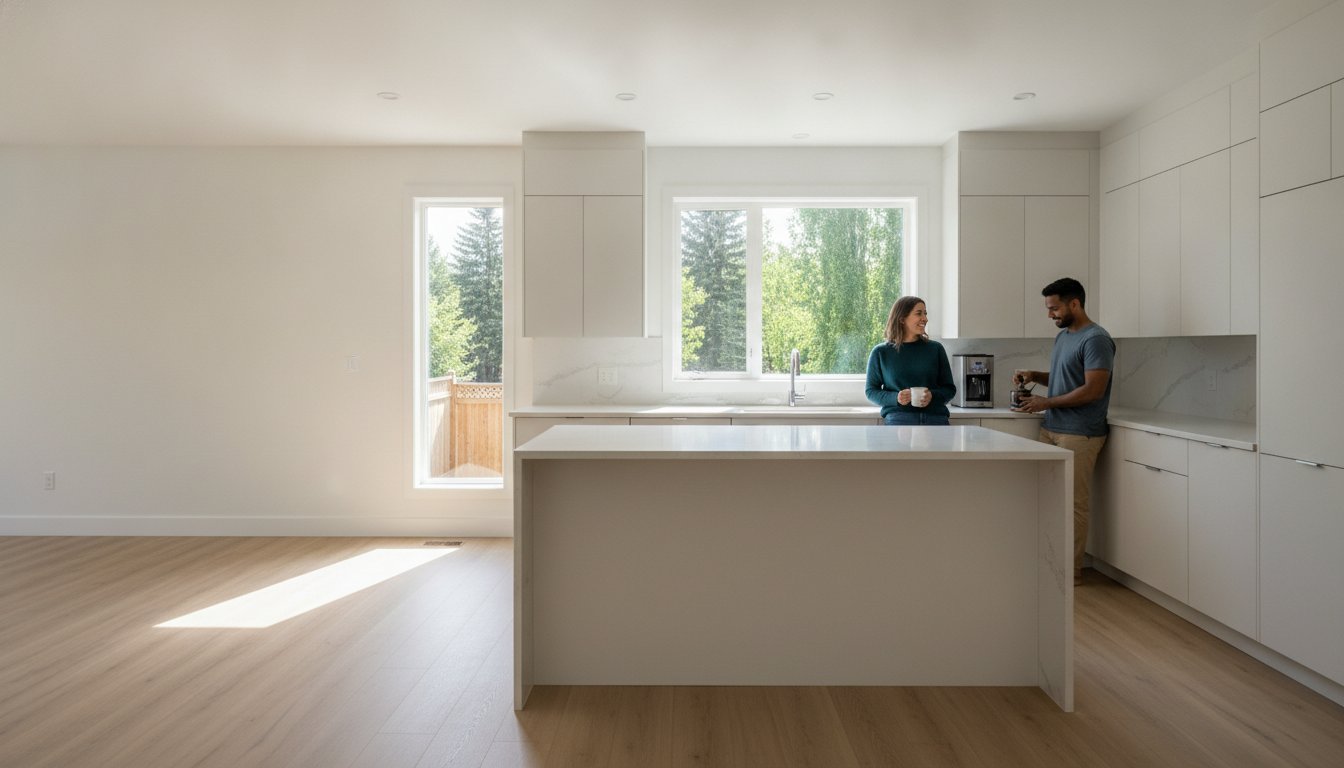
If your property is vacant, virtual staging has become a highly cost-effective digital alternative. It allows us to showcase the potential of every room on the MLS® system without the logistical costs of furniture rentals, ensuring your home stands out in high-traffic online searches.
The Cost of "Doing Nothing"
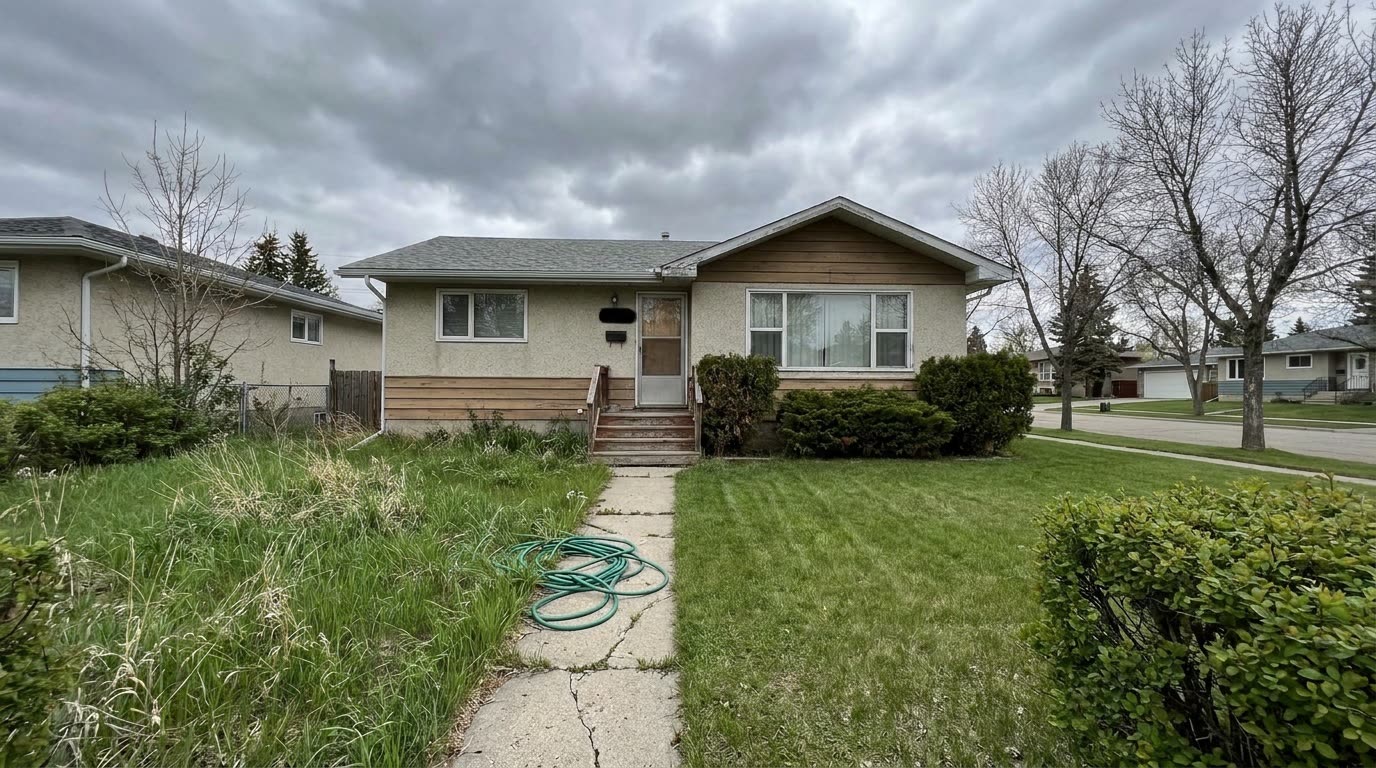
Choosing to skip repairs often carries a hidden psychological cost. When a potential buyer sees a leaky faucet or a cracked tile, they start wondering what larger, invisible systems have been neglected. This leads to offers that are significantly lower than the market value to account for "perceived risk." When prioritizing your budget, focus on kitchens and bathrooms first, as these rooms historically offer the highest ROI.
Mechanical systems like your furnace or roof are also critical; while they aren't "glamourous," they are essential for passing a buyer's inspection. For those considering more extensive renovations to maximize their home's potential, firms like Vancouver General Contractors illustrate how professional full-home updates can significantly enhance a property's market appeal.
To see where your property currently stands and which repairs will actually move the needle, we suggest starting with our Online Home Evaluation to establish your baseline value.
Calculating Your Net Proceeds: How CalgaryListings Maximizes Your ROI
The true measure of a successful sale isn't the number on the yard sign; it's the amount of money that remains after every obligation is met. While the initial question of how much does it cost to sell a house in calgary is essential, your focus should eventually shift to the "Net Proceeds" formula.
This calculation is straightforward: Final Sale Price minus (Commissions + Legal Fees + Preparation Costs + Mortgage Payoff). By organizing these variables early, you transform a complex financial transition into a manageable, transparent process. We believe that clarity is the best antidote to the stress of moving.
Generic online calculators often fail because they don't account for the hyper-local nuances of the 2026 Calgary market. To get a realistic starting point, we recommend using our Online Home Evaluation tool. This isn't just an automated guess; it's a data-driven resource that helps you establish a credible baseline for your equity.
Our 28 years of experience in the local market allows us to organize a sale that minimizes days-on-market, which is the most effective way to protect your final price from the "price chipping" that occurs when a listing grows stale.
Leveraging Data with the Calgary Market Report
Success in real estate is about timing and precision. Real-time data helps you time your listing for peak price points, ensuring you aren't fighting against a sudden surge in local inventory. For a deeper dive into the current forces at play, review our Calgary Housing Market 2026: Expert Analysis.
This report explains why community-specific absorption rates matter more than city-wide averages. For instance, while some areas in the northeast have seen inventory rise to 6-8 months of supply, other pockets remain highly competitive. We help you adjust your expectations based on what's happening on your specific block, not just the general headlines.
Your Next Steps to a Successful Calgary Sale
The path forward begins with a transparent, person-centred conversation about your goals and your timeline. We invite you to request our comprehensive guide to selling your home in Calgary, which serves as a roadmap for the entire journey.
Our role as your consultancy is to manage the heavy lifting, the complex logistics, and the rigorous negotiations so you don't have to. You can remain calm and focused on your next chapter while our team of professional REALTORS® manages the labour of your move.
For those whose next chapter involves searching for homes for sale Forest Hills MI, AW Homes of Bellabay Realty provides a strategic guide to the local closing process to ensure a smooth transition. We've spent nearly three decades refining this process to ensure that when you ask how much does it cost to sell a house in calgary, the answer always leads to your maximum possible return.
Take Control of Your Calgary Home Equity
Mastering the financial logistics of your sale ensures that you move forward with confidence instead of uncertainty. By accounting for the local commission structures, legal disbursements, and mandatory RPR compliance early, you have already mitigated the biggest risks to your equity. We believe that transparency is the foundation of a successful partnership; our 28 years of local experience help you navigate these variables with ease.
Understanding exactly how much does it cost to sell a house in calgary allows you to treat your property sale as a strategic financial transition rather than a stressful guessing game.
Our specialized eXp Realty listing strategies are designed to maximize your exposure on the MLS® system while protecting your bottom line. Our team of professional REALTORS® provides transparent, no-pressure market assessments designed to simplify the complex and keep you informed.
For those who serve our community as military, first responders, or educators, specialized programs can offer significant financial relief during a sale; we invite you to visit Lead the Way Home Savings Program to discover how these benefits can work for you.
Take the first step toward a successful closing and Get Your Free Online Home Evaluation Now. You've worked hard to build your home's value; now let's make sure you realize every bit of it. We are here to manage the details so you can focus on your future.
The Statement of Adjustments on the Selling Side
Before closing, your lawyer prepares a statement of adjustments that splits the costs of ownership at the possession date, so neither side pays for a day it did not own the home. It can put money back in your pocket as easily as take it out.
- Property tax. If you pay monthly through the City’s instalment plan, or prepaid the year, the buyer credits you for the days after possession. If the year’s taxes are unpaid, your share comes off your proceeds.
- Condo fees. Adjusted the same way, and you will need an estoppel certificate from the corporation — it has 10 days to provide one, at a charge capped at $200 plus up to $100 for a three-day rush.
- Utilities. Arrange final meter readings for your move-out date rather than letting accounts run past possession.
The statement of adjustments, line by line.
Frequently Asked Questions About Selling in Calgary
Do I have to pay GST on real estate commissions in Calgary?
Yes, you must pay 5% GST on real estate commissions and legal fees in Alberta. While the sale of a resale residential home itself is exempt from GST, the professional services required to facilitate that sale are taxable. We ensure these figures are clearly itemized in your net proceeds calculation so there are no surprises on closing day.
How much are typical legal fees for a home seller in Alberta?
You should budget between $1,100 and $1,250 for flat-rate legal fees on a standard Calgary home sale valued between $300,000 and $700,000. However, total costs can reach $2,500 depending on the complexity of your title and the cost of disbursements. Disbursements include land title searches and registration fees, which saw a significant provincial increase in October 2024.
What is the standard REALTOR® commission rate in Calgary for 2026?
The traditional commission structure in Calgary is 7% on the first $100,000 and 3% on the remaining balance of the sale price. While this is a common starting point, commissions are negotiable in Alberta and vary based on the level of marketing and professional representation you choose.
When calculating how much does it cost to sell a house in calgary, remember this fee is usually split between the listing and buyer brokerages.
Who pays for the Real Property Report (RPR) in a Calgary home sale?
The seller is typically responsible for providing and paying for a current Real Property Report (RPR) with a City of Calgary compliance stamp. This is a standard requirement in the Alberta Real Estate Association purchase contract. Expect to pay between $700 and $1,200 for a new survey, or between $500 and $700 if you are simply updating an existing document with no exterior changes.
Are there any tax implications when I sell my primary residence in Calgary?
Selling your primary residence is generally exempt from capital gains tax in Canada thanks to the Principal Residence Exemption. You must still report the sale on your income tax return to the Canada Revenue Agency to qualify for this exemption. If the property was used as a rental or for business purposes, different tax rules will apply, so we always suggest a quick chat with your accountant.
How can I avoid mortgage prepayment penalties when selling?
You can often avoid or minimize mortgage prepayment penalties by porting your current mortgage to your new property. Another strategy is to time your sale to coincide with your mortgage renewal date. Because these penalties can reach thousands of dollars on fixed-rate terms, it's vital to request a formal discharge statement from your lender before finalizing your listing price.
Is it better to renovate or lower the price when selling a house in Calgary?
In a balanced market like 2026, minor high-ROI renovations like fresh paint or updated lighting are usually better than a major price drop. However, if your community has high inventory levels, pricing your home competitively from day one is often more effective than chasing the market down with repairs. We provide a data-driven analysis to help you decide which path protects your equity best.
Can I sell my home in Calgary without an updated RPR?
You can technically sell without an updated RPR if the buyer agrees to accept Title Insurance instead, but this is becoming less common. Many lenders now insist on a current RPR with a City of Calgary compliance stamp to ensure there are no municipal bylaw infractions. Relying on Title Insurance alone can lead to delays or last-minute price negotiations that are easily avoided with proper preparation.